
Felt Pads
Popular Subcategories
-
Self-Adhesive Felt Pad 1-3/4 inchRegular price $1.88Unit price / perRegular priceSale price $1.88
-
Self-Adhesive Felt Pad 13/16x13/16 inchRegular price $1.88Unit price / perRegular priceSale price $1.88
-
Self-Adhesive Felt Pad 1x1 inchRegular price $1.88Unit price / perRegular priceSale price $1.88
-
Self-Adhesive Felt Pad 1-9/16x3-9/16 inchRegular price $1.88Unit price / perRegular priceSale price $1.88
-
Self-Adhesive Felt Pads 11/16 inch (18 mm)Regular price $2.25Unit price / perRegular priceSale price $2.25
-
Self-Adhesive Felt Pad 15/16 inchRegular price $1.88Unit price / perRegular priceSale price $1.88
-
Self-Adhesive Felt Pad 1-1/8 inchRegular price From $1.88Unit price / perRegular priceSale price From $1.88
-
Self-Adhesive Felt Pad 1-3/8 inchRegular price $1.88Unit price / perRegular priceSale price $1.88
-
Self-Adhesive Felt Pad 2 inch (50 mm) GrayRegular price $2.25Unit price / perRegular priceSale price $2.25
-
Self-Adhesive Felt Pad 4-3/4x9-7/16 inchRegular price $1.88Unit price / perRegular priceSale price $1.88
-
Self-Adhesive Felt Pad 4-3/4 x 9-7/16 inch (120x240 mm) GrayRegular price $2.25Unit price / perRegular priceSale price $2.25
-
Self-Adhesive Felt Pad 3/4 x 3/4 inch (20x20 mm) GrayRegular price $2.25Unit price / perRegular priceSale price $2.25
-
Self-Adhesive Felt Pad 1 inch x 1 inch (25x25 mm) GrayRegular price $2.25Unit price / perRegular priceSale price $2.25
-
Self-Adhesive Felt Pad 1-3/16x1-3/16 inchRegular price $1.88Unit price / perRegular priceSale price $1.88
-
Self-Adhesive Felt Pad 1-3/16 x 1-3/16 inch (30x30 mm) GrayRegular price $2.25Unit price / perRegular priceSale price $2.25
-
Self-Adhesive Felt Pad 1-3/8x2-3/16 inchRegular price $1.88Unit price / perRegular priceSale price $1.88
-
Self-Adhesive Felt Pad 1-3/8 x 2-3/16 inch (35 x 55 mm) GrayRegular price $2.25Unit price / perRegular priceSale price $2.25
-
Self-Adhesive Felt Pad 1-9/16x1-9/16 inchRegular price $1.88Unit price / perRegular priceSale price $1.88
-
Self-Adhesive Felt Pads 1-9/16 x 1-9/16 inch / 13/16 x 1-9/16 inch (40x40mm / 20x40mm) GrayRegular price $2.25Unit price / perRegular priceSale price $2.25
-
Self-Adhesive Felt Pad 1-9/16 x 3-9/16 inch (40x90 mm) GrayRegular price $2.25Unit price / perRegular priceSale price $2.25
-
Self-Adhesive Felt Pads 2 x 2 inch (50x50 mm)Regular price $2.25Unit price / perRegular priceSale price $2.25



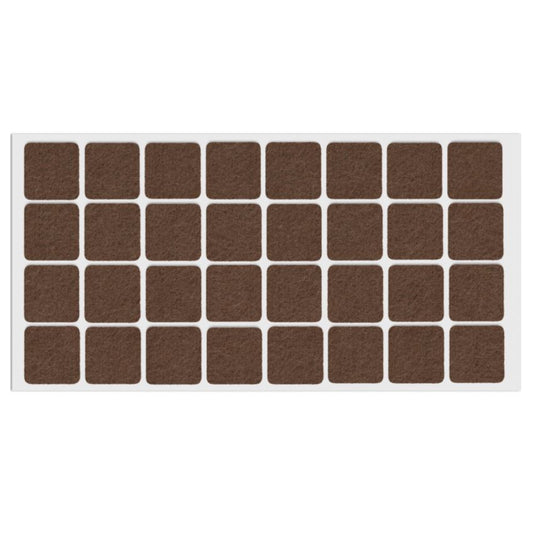

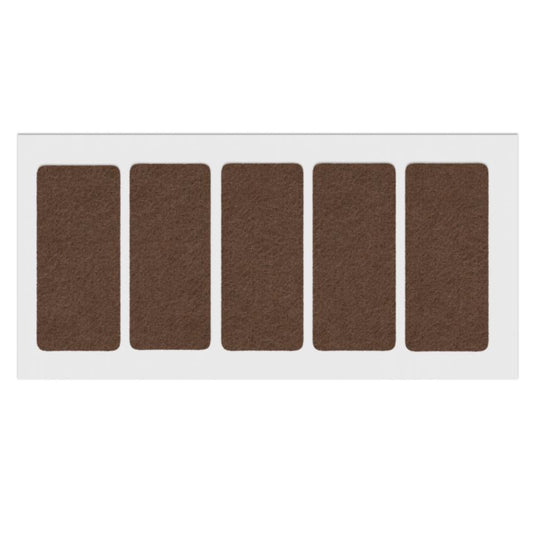

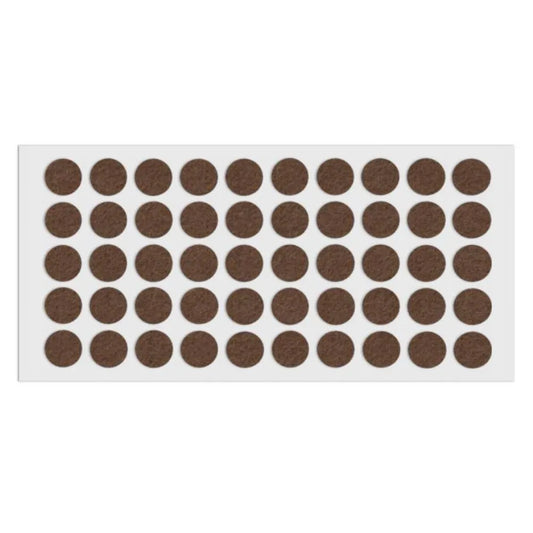

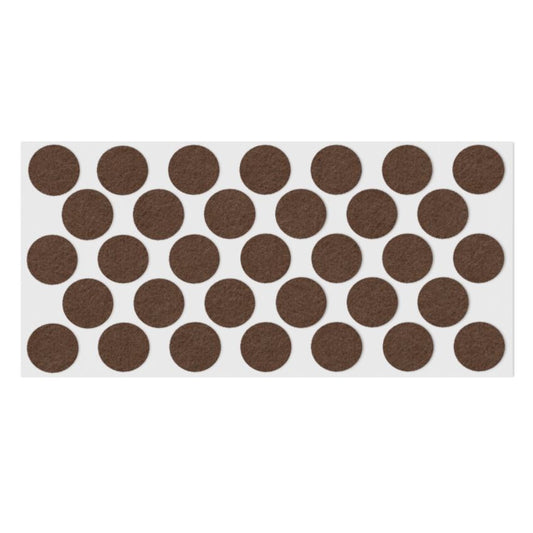

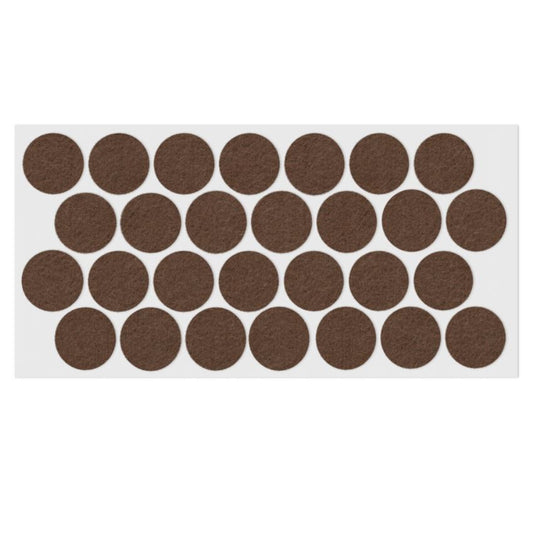

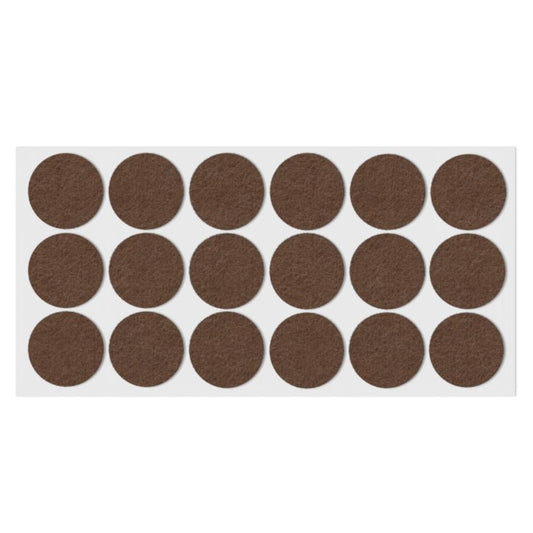




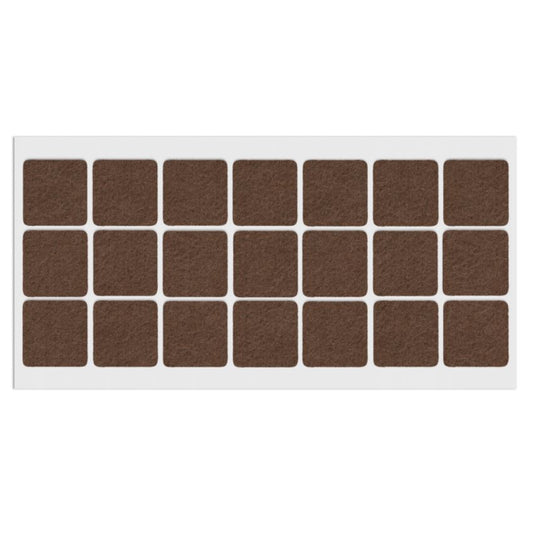


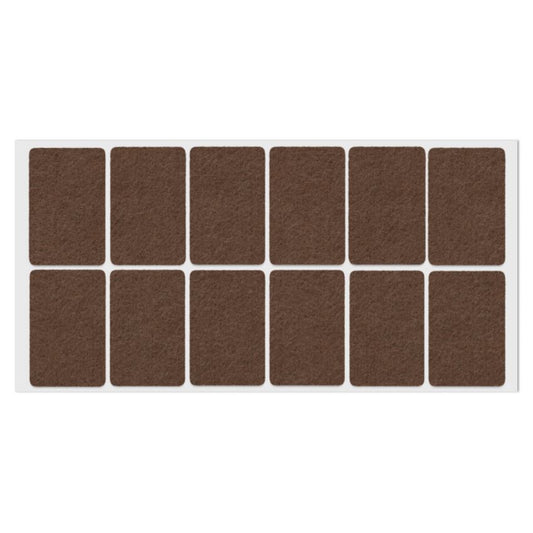


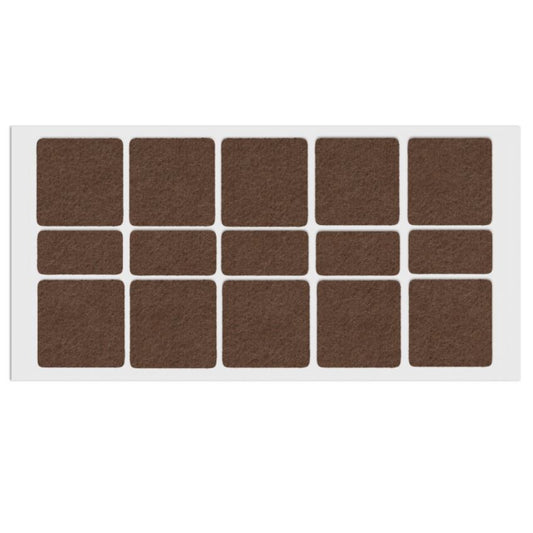


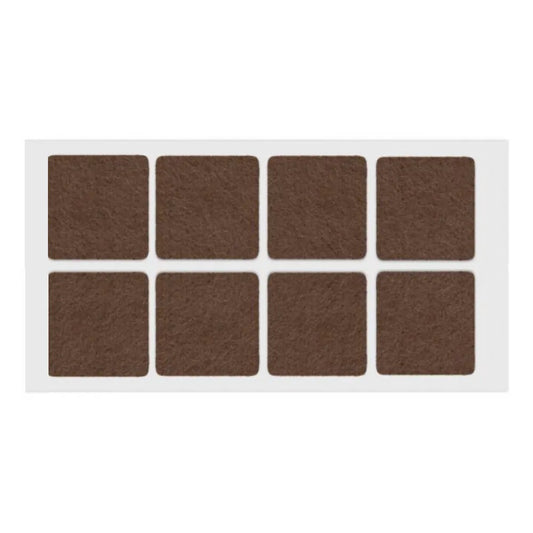
Felt padsare mechanical protective elements made of high-density fiber material with a single-sided adhesive coating. Applied to the underside of furniture legs, chairs, or table frames, they minimize friction between furniture and flooring. Acting as a physical barrier, these felt furniture pads reduce impact noise transmission and prevent abrasive damage to hard surfaces such as hardwood, laminate, vinyl, and tile.
In professional furniture assembly and interior fitting, furniture glides and floor protectors are essential components for extending the lifespan of both flooring and furniture. Under load, a precisely dimensioned self-adhesive felt pad acts like a shock absorber: it absorbs the localized kinetic energy of a chair or cabinet and distributes it evenly across the surface.
Physical Requirements for Furniture Felt Pads
Selecting the right pad requires an understanding of the forces at play. A basic distinction is made between static and dynamic loads.
Static Loads (Cabinets, Dressers, Heavy Tables)
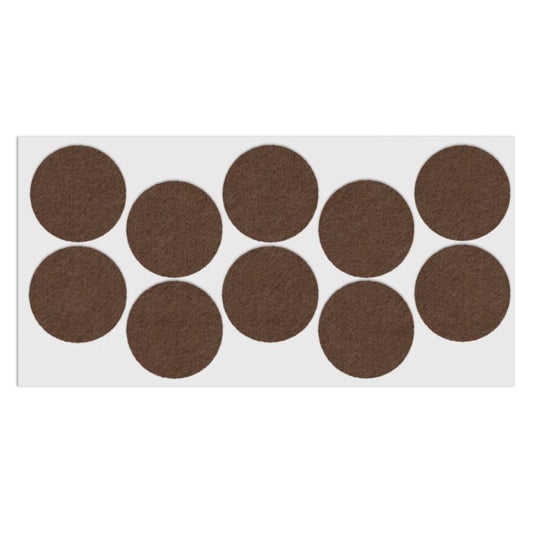
A solid wardrobe or heavy dining table exerts permanent, vertical compressive force on the floor. Point loads at the feet can be immense, making the compression resistance of the felt critical. Using thick felt pads cushions the weight without the material immediately collapsing to 0 in (0 mm). For static applications, large-format pads are ideal, such as theSelf-Adhesive Felt Pad 2x2 in (50x50 mm) Grayor theSelf-Adhesive Felt Pad 2 in (Ø50 mm) Brown. These retain structural stability under constant pressure, protecting floors from permanent indentations.
Dynamic Loads (Chairs, Armchairs, Stools)
Chair legs operate under entirely different physical conditions. Sitting in a chair and pulling it up to a table creates substantial shear forces. Vertical load combines with horizontal pulling or pushing forces, acting directly on the adhesive layer. Heavy-duty felt pads for chairs must match the exact cross-section of the chair leg. If a pad overhangs, it catches on floor joints, drastically increasing shear force and tearing the pad off the leg.
Shapes, Dimensions, and Fit
The geometry of the furniture leg dictates the required shape of the felt floor protector. Any deviation leads to uneven wear and reduced adhesion.
Round Chair and Table Legs
For cylindrical furniture feet—commonly found on Scandinavian wooden chairs or modern tubular steel chairs—determining the exact diameter is crucial. Ideally, use a caliper. The golden rule of installation: the felt pad should always be 1/16 in to 3/32 in (1 mm to 2 mm) smaller than the furniture leg (undersized). If you measure a diameter of 7/8 in (22 mm), choose aSelf-Adhesive Felt Pad 3/4 in (Ø20 mm) Gray. For slim tubular steel frames, installers frequently rely on compact dimensions, such as theSelf-Adhesive Felt Pad 5/8 in (Ø15 mm) Black. For large, solid round table legs, scale up accordingly with aSelf-Adhesive Felt Pad 2-3/16 in (Ø55 mm) White. Explore a wide selection of these geometries in ourRound Felt Padscategory.
Square and Rectangular Feet
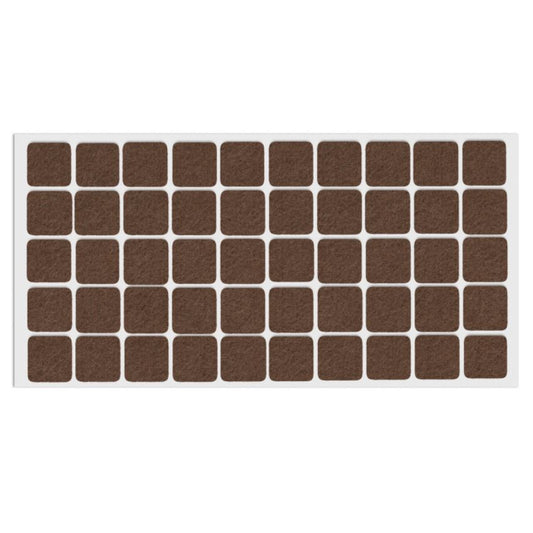
Using square felt pads for chairs is essential for square wooden legs or rectangular metal profiles. Placing a round pad under a square foot leaves corners exposed, which leads to immediate floor scratches if the chair tilts slightly. Measure the length and width precisely. For perfectly square legs,Square Felt Padslike theSelf-Adhesive Felt Pad 1-3/8x1-3/8 in (35x35 mm) Brownare ideal. For sled bases, cantilever chairs, or wide table legs, applyRectangular Felt Pads. Options like theSelf-Adhesive Felt Pad 1-9/16x3-1/2 in (40x90 mm) Blackoffer a generous contact area for optimal weight distribution.
Assortment Sets for Full Project Outfitting
When furnishing an entire room or property, professional installers rely on multi-packs featuring various diameters. ASelf-Adhesive Felt Pad Variety Pack GrayorSelf-Adhesive Felt Pad Variety Pack Whitecovers common diameters from 5/8 in to 1-5/8 in (15 mm to 40 mm), preventing downtime during assembly.
Visual Integration: Color Selection
Technically, felt color does not affect sliding performance. Visually, however, it is key to a clean aesthetic, as a shadow gap exists between furniture and flooring. Installing a light pad under a dark oak leg on dark hardwood creates an unwanted visual distraction.
Color selection should match the furniture leg first, and the flooring second:
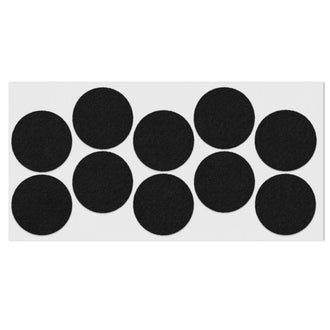
- Dark Woods & Black Metal:UseBlack Felt Padsto keep glides concealed.
- Light Woods (Maple, Beech, Natural Oak):ChooseBrown Felt Padsfor a harmonious blend.
- White Furniture & Bathrooms:White Felt Padsprevent harsh contrast beneath white cabinets, vanities, or toe kicks.
- Metal Frames (Aluminum, Stainless Steel):Gray Felt Padsperfectly complement cool, unpainted metal tones.
Professional Installation of Self-Adhesive Felt Pads
The durability of felt chair pads depends 80% on proper surface preparation. Peel-and-stick felt pads utilize Pressure Sensitive Adhesive (PSA), which requires specific conditions to achieve maximum bond strength.
Step 1: Removal and Cleaning
Completely remove old furniture pads. Use a putty knife or utility blade to scrape off residual adhesive. The contact surface must be completely dry and free from dust and grease. Clean the surface using isopropyl alcohol or a specialized degreaser. Avoid oily household cleaners, as they leave a microscopic film that compromises adhesion.
Step 2: Surface Preparation for Rough Wood
When applying felt pads to table legs made of rough-sawn or uneven solid wood, the adhesive cannot make full contact. Sand the end grain smooth using 120-grit sandpaper, then thoroughly wipe away all sanding dust.
Step 3: Application and Pressure
Peel off the protective backing paper without touching the exposed adhesive (skin oils weaken the bond). Center the felt pad precisely on the leg. Because PSA relies on pressure rather than time for activation, press the pad down firmly for 10 to 15 seconds.
Step 4: Curing Phase
The most common installation mistake is using furniture immediately after attaching new chair pads. The adhesive needs time to flow into the microscopic pores of the furniture leg and fully cure. Allow the furniture to rest for 12 to 24 hours before subjecting it to dynamic shear forces (such as sliding a chair).
Practical Problem Solving
Felt Pads for Slanted Chair Legs
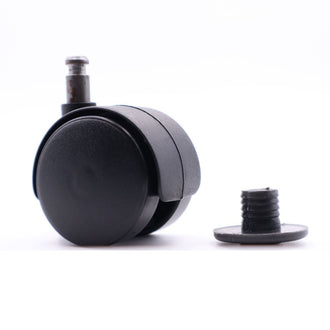
Angled or splayed chair legs present a unique challenge. If a chair leg does not meet the floor at a 90° angle, a flat felt pad contacts the floor only along its outer edge. This creates two issues: the reduced contact area can scratch floors despite the pad, and the resulting leverage quickly rips the pad off. There are two solutions for angled legs: trim or sand the bottom of the chair leg parallel to the floor so a standard pad like theSelf-Adhesive Felt Pad 15/16 in (Ø24mm) Brownsits fully flat, or install mechanical swivel glides.
Felt Chair Socks vs. Flat Felt Pads
When shopping for furniture floor protectors, installers often come across felt chair leg socks. These textile sleeves slip over the entire chair foot. While they offer protection, they significantly alter the look of the furniture and tend to collect dust. Flat, precision-cut self-adhesive felt pads provide a discrete, architecturally clean, professional solution.
Wear and Maintenance Intervals
Felt pads for furniture are wear items. Over time, felt compresses under load. Additionally, the open-fiber structure picks up fine dirt, sand grit, and pet hair from the floor. Trapped quartz sand particles can turn a felt pad into sandpaper on hardwood floors. Inspect chair felt pads every 6 months. Replace them immediately if the felt hardens, flattens completely, or begins peeling at the edges. On static furniture like cabinets or dressers, felt pads routinely last for years since no friction-induced dirt buildup occurs.
Summary of Material Advantages
Using felt furniture pads offers distinct advantages over hard plastic or PTFE (Teflon) glides on hard surface flooring. While Teflon glides excel on carpeted floors, high-density felt is indispensable for sensitive hard surfaces (hardwood, soft laminate, polished stone). It provides the softest contact layer and maximum noise reduction when moving furniture.
By selecting the correct geometry (round, square, or rectangular), keeping pads 1/16 in to 3/32 in (1 mm to 2 mm) undersized, matching colors, and allowing full curing time, you ensure stable furniture placement and lasting floor protection.
---
Frequently Asked Questions (FAQ) About Felt Pads
Which felt pads are best for heavy furniture?
For large cabinets, heavy dressers, or solid oak tables, use thick, heavy-duty felt pads with a large contact area to distribute point loads. Opt for large-format pads (such as 2x2 in (50x50 mm) or 2-3/16 in (Ø55 mm)) made from high-density felt. A larger surface area prevents the material from collapsing under heavy weight.
How do I attach felt pads to angled chair legs?
Standard flat felt pads do not perform well on angled legs because they rest on one edge and sheer off. Sand or trim the bottom of the leg parallel to the floor before applying peel-and-stick pads. Alternatively, use screw-on swivel glides that adjust mechanically to the angle of the leg.
Why do my self-adhesive felt pads keep falling off?
When self-adhesive chair pads fail to stick, it is almost always due to inadequate surface preparation or immediate load. Always degrease the furniture leg with isopropyl alcohol before application. After pressing the pad firmly in place, allow the adhesive to cure for 12 to 24 hours without load. Make sure the pad does not overhang the edge of the leg, as exposed edges catch on floor joints.
What size felt pad should I buy for round chair legs?
Measure the leg diameter accurately, preferably with a caliper. Select a felt pad that is 1/16 in to 3/32 in (1 mm to 2 mm) smaller than the leg itself. For a chair leg measuring 3/4 in (20 mm) in diameter, choose an 11/16 in (Ø18 mm) felt pad. This undersized fit prevents overhang and protects the pad from lateral shear forces.
How often should chair felt pads be replaced?
Inspect felt pads on frequently moved furniture (dining chairs, stools) every 6 to 12 months. Replace them whenever the felt becomes compressed, edges begin to lift, or sand particles embed into the fibers. Pads under static furniture like dressers or hutch cabinets can last for years.
Can I cut square felt pads to fit round table legs?
While you can trim large felt sheets or square pads with a sharp utility knife, manufactured round felt pads offer a cleaner, professional finish without frayed edges.
---