
Chrome furniture legs
Popular Subcategories


-
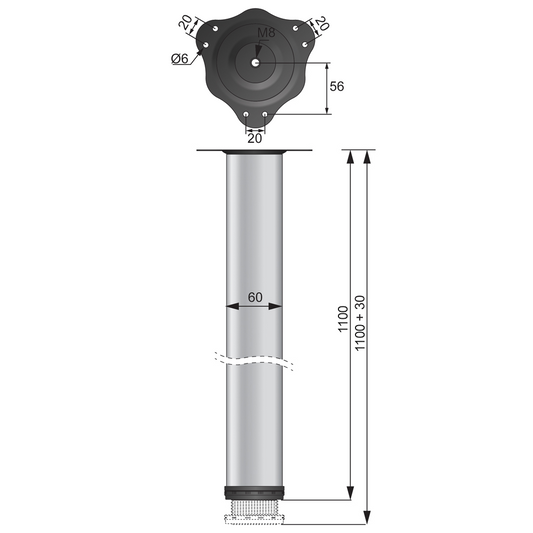
Adjustable Furniture Leg 43-5/16 inch - Steel Mounting Plate - ChromeRegular price $16.67Unit price / perRegular priceSale price $16.67
-
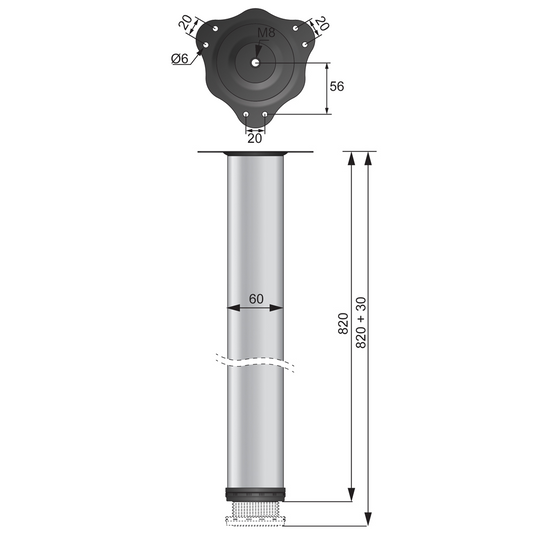
Square Furniture Leg 27-15/16 inch, Chrome, ZnAl Mounting PlateRegular price $23.77Unit price / perRegular priceSale price $23.77
-
Adjustable Furniture Leg 32-5/16 inch - ChromeRegular price $11.38Unit price / perRegular priceSale price $11.38
-
Furniture Leg 5-7/8 inch - ChromeRegular price $3.32Unit price / perRegular priceSale price $3.32
-
Square Furniture Leg 1x1 inch - H 3-15/16 inch ChromeRegular price $2.93Unit price / perRegular priceSale price $2.93
-
Adjustable Furniture Leg 32-5/16 inch - ZnAl Mounting Plate - ChromeRegular price $13.40Unit price / perRegular priceSale price $13.40
-
Square Furniture Leg 1-9/16 x 1-9/16 inch - H 3-15/16 inch ChromeRegular price $1.98Unit price / perRegular priceSale price $1.98
-
Square Furniture Leg 1x1 inch - H 5-7/8 inch ChromeRegular price $3.31Unit price / perRegular priceSale price $3.31
-
Conical Furniture Leg H 3-15/16 inch - ChromeRegular price $3.29Unit price / perRegular priceSale price $3.29
-
Furniture Leg 3-15/16 inch - ChromeRegular price $2.81Unit price / perRegular priceSale price $2.81
-
Adjustable Furniture Leg 27-15/16 inch - ChromeRegular price $9.98Unit price / perRegular priceSale price $9.98
-
Adjustable Furniture Leg 43-5/16 inch - ZnAl Mounting Plate - ChromeRegular price $16.67Unit price / perRegular priceSale price $16.67
-
Adjustable Furniture Leg 27-15/16 inch - ZnAl Mounting Plate - ChromeRegular price $11.44Unit price / perRegular priceSale price $11.44













Chrome furniture legsare metal, electroplated structural components for cabinetmaking and furniture design. Featuring a high-gloss, corrosion-resistant finish, they provide both reliable load-bearing support and a sleek visual baseline for cabinets, dressers, and upholstered furniture.
The core of these hardware components typically consists of robust tubular steel or die-cast zinc, electroplated with a fine layer of chrome in a multi-stage process. This plating creates the signature mirror finish while hardening the surface, making it resistant to everyday scratches and protecting the substrate from oxidation. For cabinetmakers, carpenters, and installers, metalfurniture legsoffer a dependable solution for elevated, stable support under heavy carcass units.
Characteristics of Chrome Surfaces
In furniture design, the finish and surface texture of hardware play a key aesthetic role.Polished chrome furniture legsstand out with their extremely high reflectivity, picking up surrounding colors and light while mirroring the floor below.
A reflective chrome surface on a dark cabinet frame works much like a polished rim on a sports car—it creates a sharp, precise accent that visually highlights the technical construction of the piece. Unlike matte or brushed finishes, high-gloss chrome demands exact manufacturing tolerances; edges and welds on these legs are carefully ground smooth. The seamless metal layer also offers a practical advantage: smooth surfaces prevent dust and dirt from settling, making cleanup effortless.
Applications and Spatial Planning
Choosingchrome legs for furnitureis a popular choice in spaces where other chrome accents are already present, creating a cohesive visual design throughout the room.
- Bathrooms:Chrome legs complement chrome faucets, traps, and towel bars. Elevating bathroom vanities above the floor is crucial for keeping particleboard or MDF substrates safe from standing water.
- Living Rooms:Used aschrome coffee table legsor beneath solid credenzas, they add visual lightness, giving the furniture an effortlessly floating appearance.
- Kitchens:On freestanding kitchen islands or as exposed cabinet legs beneath base units, they serve as a stylish alternative to traditional toe kicks.
Design and Geometry: Square vs. Round
The geometry of the furniture leg must match both the structural weight requirements and the overall design of the cabinet carcass.
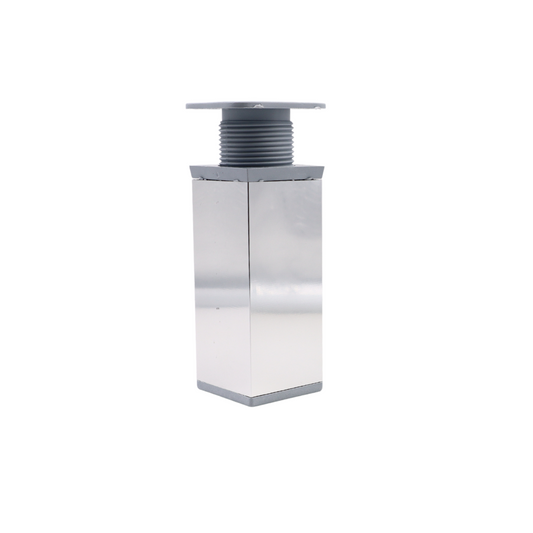
Square chrome furniture legsare favored for modern, clean-lined cabinetry. Common profile dimensions include1 x 1 in (25 x 25 mm)for lighter dressers or1-1/2 x 1-1/2 in (40 x 40 mm)for heavy wardrobes and sofas. The square shape requires precise alignment parallel to the cabinet's outer edge during installation to maintain clean gap lines. For these applications, browse ourSquare Metal Furniture Legscategory, dedicated to sharp, angular designs.
Round designs (cylindrical or tapered) allow for minor rotational tolerances during installation and offer a more timeless aesthetic. They are frequently used under upholstered seating or aschrome table legs. For additional cylindrical options, explore ourRound Furniture Legsselection.
Matching with Other Furniture Hardware
To achieve a professional, integrated look, visible hardware finishes should be coordinated throughout the piece. When installingchrome furniture legs, choose drawer pulls and cabinet handles with the same finish. Pairing them directly with matchingchrome cabinet handlesties the whole design together. In hallways or entryways, match your legs withchrome coat hooksor achrome desk cable grommetfor adjacent workspaces.
For a striking look, pair high-glosschrome furniture runnerswith dark matte wood veneers (such as Wotan oak or walnut) or solid charcoal and anthracite fronts.
Technical Details: Installation and Height Adjustment
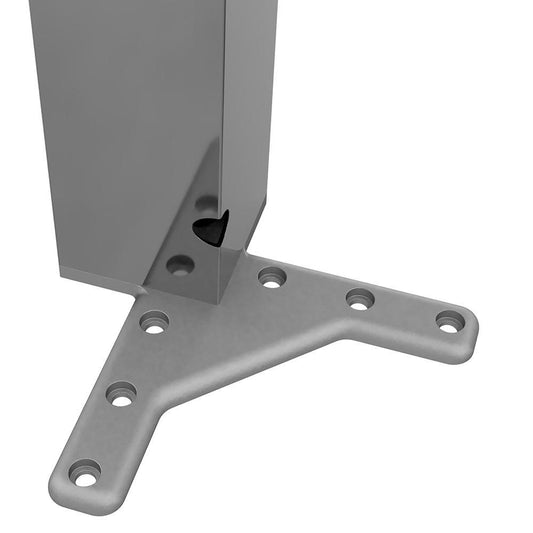
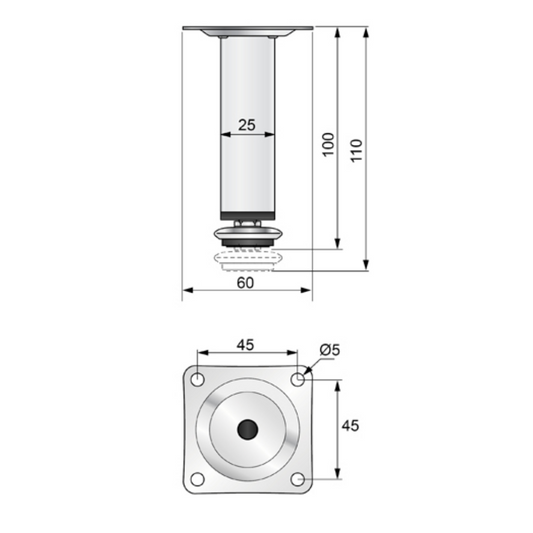
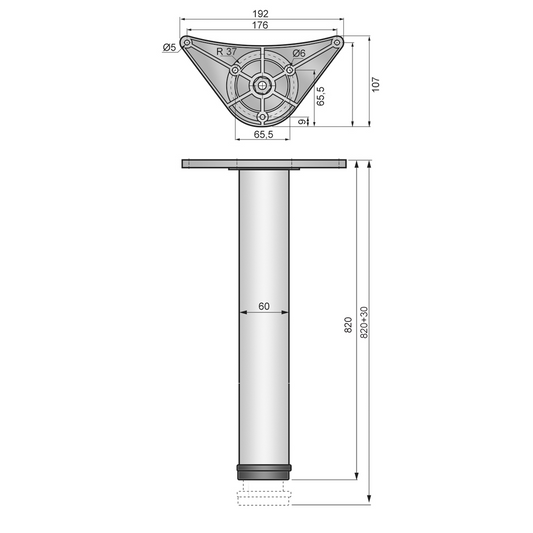
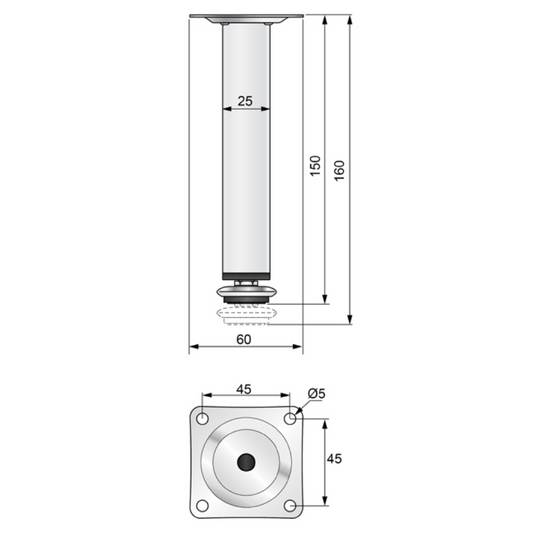
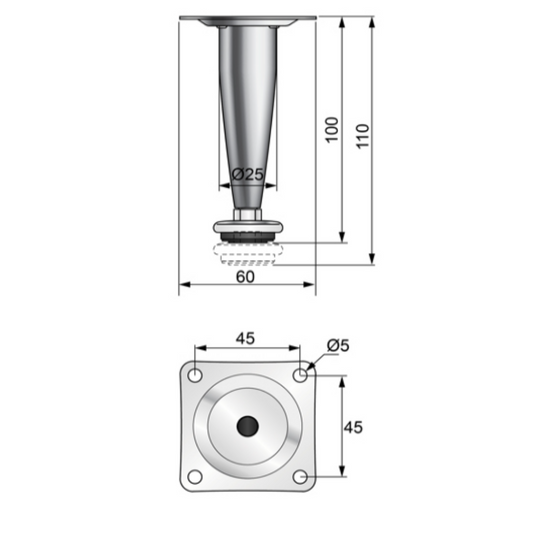
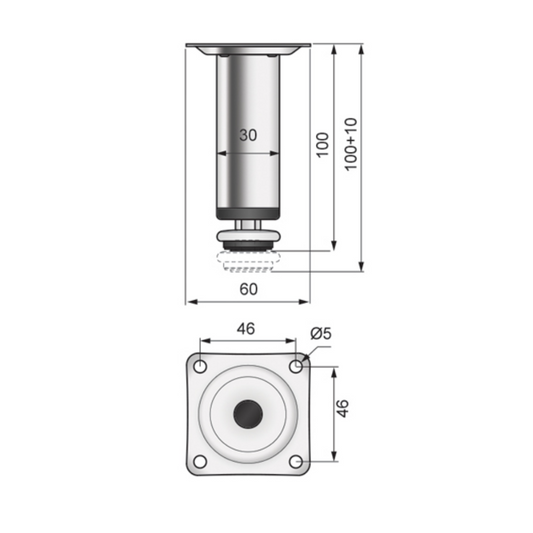
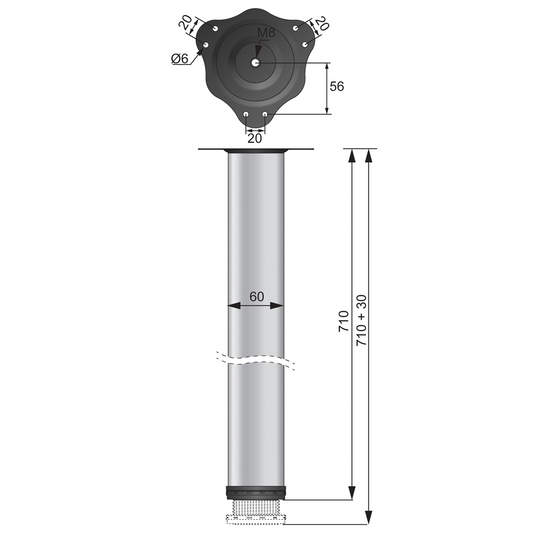
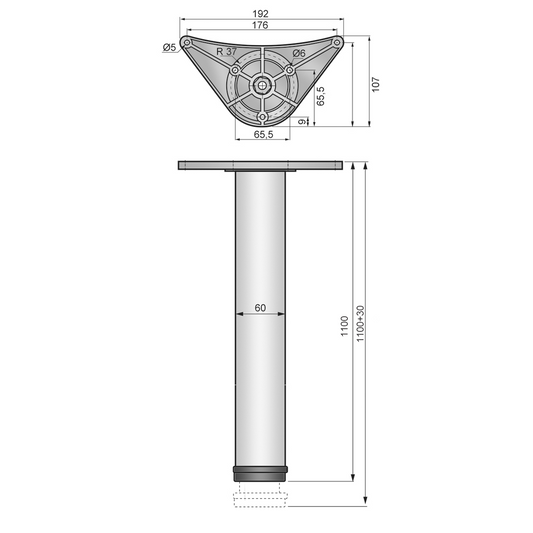
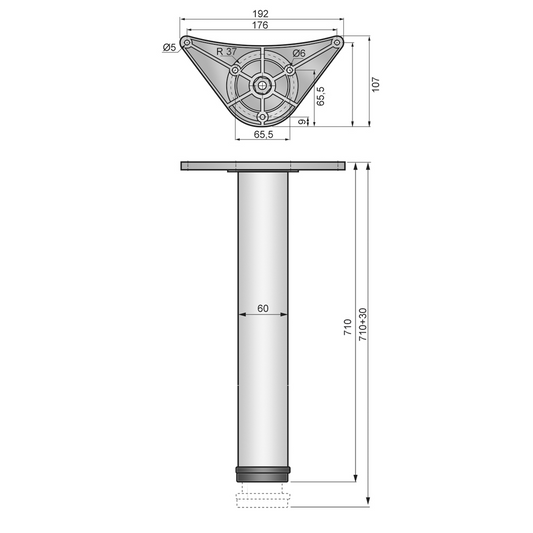
Installation typically relies on a welded mounting plate (flange) at the top of the tube. This plate features three or four mounting holes, usually3/16 in (5 mm)in diameter. For securing legs to standard particleboard—typically11/16 in or 3/4 in (18 mm or 19 mm)thick—pan-head or countersunk wood screws measuring5/32 x 5/8 in (4.0 x 15 mm)or5/32 x 11/16 in (4.0 x 17 mm)work best. Pre-drilling with a3/32 in or 1/8 in (2.5 mm or 3.0 mm)wood bit is recommended to prevent splitting or chipping near the surface.
A key technical feature of many models is height adjustment.Adjustable furniture legsfeature a threaded insert (typically M8 or M10) made of metal or high-strength plastic at the base. Turning the foot glider allows you to level the furniture with millimeter precision. A typical adjustment range is+3/8 in to +5/8 in (+10 mm to +15 mm). This feature is essential for compensating for uneven subfloors or tile surfaces, preventing wobbling and keeping door reveal gaps aligned.
Product Overview & Key Highlights
For concrete project planning, various dimensions and shapes are available to perfectly match the size of your cabinet frame:
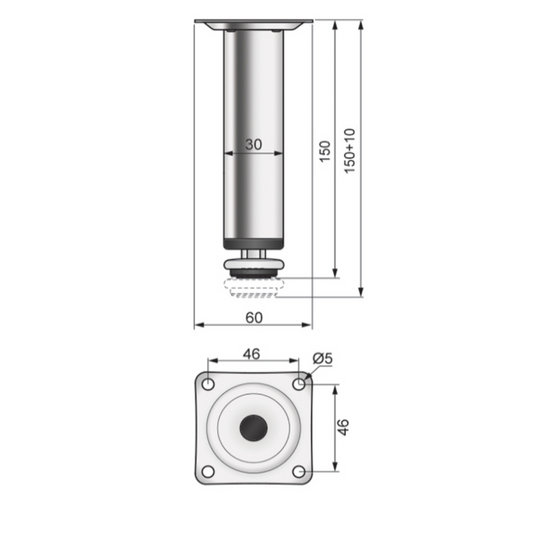
- Square Furniture Legs 25x25mm - 150mm Chrome: Slim square profile for medium load capacities. The6 in (150 mm)height provides ample clearance for robot vacuums to pass beneath easily.
- Adjustable Furniture Legs 100mm - Chrome: A standard round leg with integrated height adjustment, ideal for heavy vanity units or kitchen base cabinets.
- Adjustable Tapered Furniture Legs 100mm - Chrome: The tapered conical design narrows toward the bottom, providing sleek, classic support for modern furniture.
- Square Furniture Legs 40x40mm - 100mm Chrome: A heavy-duty profile built for high static loads, perfect under wide credenzas, sideboards, or wardrobes.
- Square Furniture Legs 25x25mm - 120mm Chrome: The mid-sized4-3/4 in (120 mm)height delivers balanced proportions for medium-height dressers and cabinets.
Frequently Asked Questions (FAQ)
How do I calculate the required load capacity for furniture legs?
Total load capacity must exceed the combined weight of the cabinet frame plus its maximum expected payload. Divide this total weight by the number of legs (typically 4). For wider cabinets measuring31-1/2 in (800 mm)or more, add a fifth center support leg underneath to prevent bottom panel sagging over time.
Which leg height is right for my project?
This depends on ergonomics and floor cleaning preferences. Heights around4 in (10 cm)(see4 in (10 cm) Furniture Legs) deliver a compact look that conceals most of the space beneath the unit. Heights of6 in (15 cm)or more (see6 in (15 cm) Furniture Legs) provide enough ground clearance for standard robot vacuums to operate freely underneath.
How do I clean and maintain chrome-plated surfaces?
Use only soft, lint-free cotton or microfiber cloths with warm water and a mild dish soap. Abrasive cleaners, scouring pads, or acid-based chemicals will permanently damage the ultra-thin chrome layer, leading to substrate corrosion over time.
Will metal furniture legs scratch my floor?
Most models come factory-equipped with a plastic base glider. For delicate flooring like softwood hardwood or vinyl, apply self-adhesive felt pads to these plastic gliders to distribute point load evenly and prevent scratches.
Related Categories for Furniture Design
If high-gloss chrome doesn't match your project, consider our alternative finishes and materials. For an industrial accent, explore ourBlack Furniture Legs. For a softer, understated metallic sheen, try ourSatin Furniture Legs. If working on a budget or hiding legs behind a plinth,Plastic Furniture Legsprovide a practical, heavy-duty alternative. You can also browse our complete line ofSquare Furniture Legsfor specific geometric designs.