
Under Cabinet LED Strip
-
Self-Adhesive LED Tape, 5M, IP54, LED300, SMD5050Regular price $68.09Unit price / perRegular priceSale price $68.09
-
Self-Adhesive LED Tape, 5M, IP54, LED150, SMD5050Regular price $68.09Unit price / perRegular priceSale price $68.09
-
Self-Adhesive LED Tape, 5M, IP54, LED300, SMD3528Regular price From $20.20Unit price / perRegular priceSale price From $20.20
-
Self-Adhesive LED Tape, 5M, IP20, LED300, SMD5050Regular price $68.33Unit price / perRegular priceSale price $68.33
-
Self-Adhesive LED Tape, 5M, IP20, LED150, SMD5050Regular price $56.57Unit price / perRegular priceSale price $56.57
-
Self-Adhesive LED Tape, 5M, IP20, LED300, SMD3528Regular price From $17.12Unit price / perRegular priceSale price From $17.12

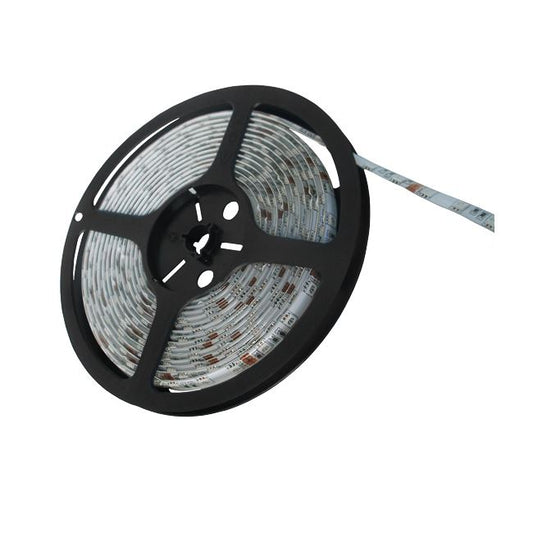


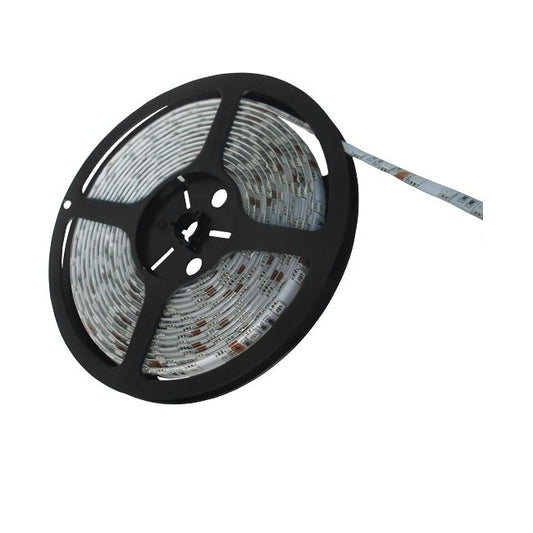

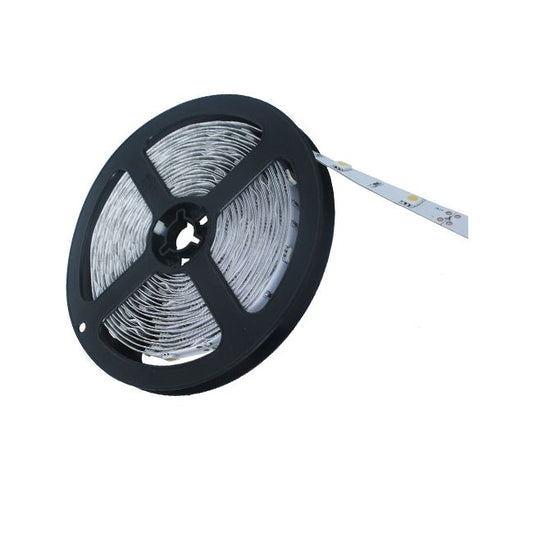

Anunder cabinet led stripis a flexible, self-adhesive printed circuit board fitted with surface-mounted light-emitting diodes (SMD LEDs) and current-limiting resistors, designed for direct or indirect accent lighting inside cabinet bodies, along toe kicks, or under wall cabinets.
In modern cabinetry and interior millwork, anunder cabinet led stripsystem provides a standard technical solution for highlighting architectural lines, illuminating task surfaces, or functionally brightening cabinet interiors. For cabinetmakers, installers, and experienced interior fitters, selecting the right strip requires a fundamental understanding of diode types, ingress protection (IP) ratings, and thermal requirements. This guide delivers the essential technical specifications for professionalfurniture LED lightingintegration.
Technical Specifications: Diode Types and LED Density
The performance and intended application of an LED tape light are primarily dictated by the specific SMD (Surface Mounted Device) chip used and the density of LEDs per meter. Two main package sizes have established themselves in professional cabinetmaking, differing fundamentally in physical dimensions and light output.
The Standard for Accent Lighting: SMD 3528
The designation 3528 refers to the physical dimensions of the LED chip:1-3/8 in x 1-1/8 in (3.5 mm x 2.8 mm). These chips contain a single light-emitting crystal and are characterized by moderate heat generation and low power consumption.
ASelf-Adhesive LED Strip Light, 16.4 ft (5m), IP20, LED300, SMD3528is outfitted with 300 diodes over a total length of 16.4 ft (5 meters), corresponding to 60 LEDs per meter (approx. 18 LEDs/ft). This configuration is ideally suited for:
- Furniture with LEDtoe kick lighting (creating a floating cabinet aesthetic).
- Backlighting TV accent walls or credenzas.
- Functional orientation lighting inside closets and cabinets.
Because thermal output is minimal here, these strips can generally be mounted directly onto melamine-faced particleboard or MDF without requiring an aluminum extrusions channel for heat dissipation.
The High-Output Chip for Task Lighting: SMD 5050
The2 in x 2 in (5.0 mm x 5.0 mm)package size is significantly larger and houses three light-emitting crystals (tri-chip technology). Consequently, an SMD 5050 diode produces roughly three times the light output of an SMD 3528 diode. This increased performance comes with higher power consumption and noticeable heat generation.
When planningunder cabinet led striplayouts for furniture, two common density options are available:
- 150 LEDs per 16.4 ft (5m) (30 LEDs/m):ASelf-Adhesive LED Strip Light, 16.4 ft (5m), IP20, LED150, SMD5050offers an excellent compromise between brightness and energy efficiency. It works well as primaryfurniture LED lightinginside display cases or as a reading light integrated into a headboard.
- 300 LEDs per 16.4 ft (5m) (60 LEDs/m):TheSelf-Adhesive LED Strip Light, 16.4 ft (5m), IP20, LED300, SMD5050yields a continuous, high-intensity line of light. This diode density is essential when installing anunder cabinet led stripfor kitchen task lighting or as powerful indirect ambient lighting in ceiling coves.
Important Installation Note:Strips featuring SMD 5050 chips—especially at a density of 60 LEDs/m—must be mounted inside an aluminum profile to ensure maximum service life. The aluminum serves as a heat sink. Without adequate thermal management, the diode's phosphor coating degrades prematurely, leading to rapid lumen depreciation and color shifts.
Ingress Protection Ratings (IP Classes): Dry vs. Damp Locations
A critical factor in specifyingcabinet LED lighting stripsis the installation environment. The Ingress Protection (IP) rating defines the level of sealing against dust, debris, and moisture.
IP20: For Dry Indoor Locations
IP20-rated strip lights do not feature a protective coating. The diodes, resistors, and solder joints sit directly exposed on the flexible PCB. While this design provides zero moisture protection, it allows maximum thermal dissipation directly into the ambient air. They are the premier choice for living rooms, bedrooms, and walk-in closets. A typical application for an IP20Self-Adhesive LED Strip Light, 16.4 ft (5m), IP20, LED300, SMD3528is in hallway wardrobes or entryway built-ins to illuminate interior storage niches.
IP54: Splash Water Protection for Kitchens and Baths
When specifying lighting for a bathroom vanity or planning anunder cabinet led stripin a wet kitchen area, IP54 protection is strongly recommended. These strips are encased on top with a clear silicone coating.
The silicone layer on an IP54 tape light acts much like a clear protective topcoat over real wood veneer—it maintains crystal clarity while shielding the underlying substrate from moisture.
This encapsulation protects sensitive electronics from steam, humidity (cooking, hot showers), and occasional water splashes.
- For subtle accent lighting around bathroom mirrors or floating vanities, theSelf-Adhesive LED Strip Light, 16.4 ft (5m), IP54, LED300, SMD3528is ideal.
- Where powerful kitchen task lighting directly above the sink is required, theSelf-Adhesive LED Strip Light, 16.4 ft (5m), IP54, LED150, SMD5050—or for maximum output, theSelf-Adhesive LED Strip Light, 16.4 ft (5m), IP54, LED300, SMD5050—is the technically correct specification.
IP54 Cutting & Sealing Note:Trimming an IP54 strip severs the protective silicone seal at the cut end. To maintain splash-water resistance, the exposed cut edge must be resealed using a specialized silicone end cap system or a neutral-cure silicone sealant.
Professional Installation and Customization
Self-adhesiveunder cabinet led stripsystems are designed for quick, tool-free surface mounting. The back of the flexible PCB comes pre-equipped with double-sided adhesive tape (typically 3M). However, proper surface preparation is mandatory to ensure permanent adhesion.
Surface Preparation
The mounting substrate must be completely free of dust, grease, and oil. Raw particleboard, unpainted MDF, and rough-sawn lumber are unsuitable substrates because their porous texture prevents full adhesive contact. Bonding should only take place on smooth, sealed surfaces:
- Melamine-laminated panels
- Finished or painted surfaces
- Glass or metal sheets
- Anodized aluminum profiles (the professional standard)
Prior to adhesion, wipe down the surface thoroughly with isopropyl alcohol or a specialized plastic-safe degreaser.
Cutting and Splicing Strip Lights
LED strip lights are supplied on16.4 ft (5 m)reels but can be trimmed precisely to fit custom cabinet dimensions. The printed circuit board consists of repeating circuit segments, typically containing three series-connected LEDs and a current-limiting resistor.
Between these segments, exposed copper solder pads feature a designated cut line—usually spaced every2 in (50 mm)or4 in (100 mm)depending on diode design. Trimming muststrictlyoccur along these marked cut lines using sharp shears or flush cutters. Cutting anywhere else breaks the circuit segment, causing all LEDs up to the next cut mark to remain dark.
To reconnect trimmed sections or navigate 90-degree corners, two methods exist:
- Soldering:The cleanest, most reliable method. Lead wires are soldered directly onto the copper pads, ensuring minimal electrical contact resistance.
- Solderless Clip Connectors:The tape is inserted into a plastic housing where spring-loaded metal pins clamp onto the copper pads. While fast, clip connectors are more susceptible to mechanical failure from tensile stress or movement (e.g., inside pull-out cabinet drawers).
Electrical Engineering: Power Supplies, Voltage Drop, and Controls
Cabinet-grade low-voltage lighting products, such asFurnika LEDsystems, typically operate on a12V DC(Direct Current) constant voltage driver. They must never be wired directly to 120V line voltage AC power.
Sizing the LED Power Supply (Transformer)
To calculate the required power supply capacity, multiply the tape's wattage consumption per foot (or meter) by the total run length. Example calculation for anunder cabinet led stripsystem:
- An SMD 3528 strip (60 LEDs/m) consumes approx.1.46 W/ft (4.8 W/m). A full 16.4 ft (5m) reel consumes24 W.
- An SMD 5050 strip (60 LEDs/m) consumes approx.4.39 W/ft (14.4 W/m). A full 16.4 ft (5m) reel consumes72 W.
Always engineer your power supply with a15% to 20% safety headroom reserveto prevent driver overheating during continuous operation. For a 72W strip load, select a power supply rated for at least85 Wor 90 W nominal output.
Power Injection and Voltage Drop
The thin copper traces running along flexible LED strips introduce electrical resistance. Over a continuous 16.4 ft (5m) run, this results in noticeable voltage drop. By the end of the run, the voltage may drop from 12V down to 10.5V, causing the diodes at the far end to appear visibly dimmer than those near the power feed.
To achieve uniform brightness across an entire 16.4 ftunder cabinet led striprun using high-output chips (SMD 5050), feed power from both ends of the strip (dual-ended feeding). Alternatively, run a parallel ring circuit feed. If installing runs exceeding 16.4 ft (5m), introduce a new power feed every 16.4 ft using a dedicated power distributor terminal block.
Control Systems and Dimming
For optimal usability, cabinet lighting is rarely operated via a basic hardwired switch alone; instead, it is paired with aFurnika LED remote controlor an integratedFurnika LED set.
Anunder cabinet led strip with remotecontrol requires an inline LED controller installed between the 12V driver and the LED tape. This controller utilizes Pulse Width Modulation (PWM) to provide smooth, flicker-free dimming. When setting up a wirelessunder cabinet led strip light kit, ensure the controller's maximum amperage rating exceeds the total current draw of all connected strip segments combined. An overloaded controller will overheat and fail under full illumination loads.
Detailed Application Examples
The slim design of aFurnika LED light stripallows seamless integration into almost any cabinet design. Here are the primary technical applications:
Indirect Ceiling Coves and Toe Kick Accents
When installed inside ceiling coves or under base cabinets as toe kick accent lighting, the LED strip is positioned so that the light source remains hidden from direct view. The light washes against adjacent ceilings or floors, creating soft, glare-free ambient illumination. For cove lighting applications, high-density SMD 5050 strips are recommended to generate sufficient lumens for ambient room brightness.
Workbenches and Task Stations
While heavy-duty shop lights are traditionally used over work surfaces, high-density IP54-rated tape light (SMD 5050, 300 LEDs) mounted in aluminum channels provides superior benchtop lighting. Because the light source extends continuously across the length of the workspace, shadow interference from tools and hands is virtually eliminated.
Display Cases and Shelving Systems
For glass shelf lighting in display cabinets, a lower-outputSelf-Adhesive LED Strip Light, 16.4 ft (5m), IP20, LED150, SMD5050is ideal. Here, the focus is on accentuating displayed items rather than floodlighting space. The tape is frequently routed into recessed channels milled along cabinet side walls and fitted with frosted milky lenses to diffuse individual LED hot spots into a smooth continuous beam.
---
FAQ – Frequently Asked Questions About LED Strip Light Installation
How tightly can an LED strip light be bent?
Flexible strip lights can bend naturally along their longitudinal plane (e.g., around a curved wall). The minimum bend radius is approximately3/4 in (20 mm). Lateral 90-degree corner bends across the flat face are physically impossible and will snap the copper traces instantly. To navigate 90-degree corners on a flat cabinet surface, trim the strip at the designated cut mark and join the segments using wire corner jumpers or by soldering lead wires.
Why do self-adhesive LED strips detach from cabinet surfaces over time?
Peeling usually stems from two issues: either the substrate was not properly cleaned and degreased prior to installation (dust, furniture polish, finger oils), or the strip is running too hot. High-powered SMD 5050 strips generate significant heat. If mounted directly to wood without an aluminum heat sink profile, accumulated heat softens the acrylic adhesive backing, causing the tape to peel away—most commonly starting at the ends.
Can I install an IP20 non-waterproof LED strip inside a bathroom cabinet?
It is not recommended by industry standards. High humidity from showers lingers inside bathroom medicine cabinets and vanities. Condensation can collect on exposed IP20 circuit boards, causing short circuits or rapid solder point corrosion. Always use at least IP54 splash-resistant strip lights (such as theSelf-Adhesive LED Strip Light, 16.4 ft (5m), IP54, LED300, SMD3528) in bathroom applications.
What happens if my LED driver power supply is undersized?
If the connectedunder cabinet led stripload demands more power (wattage) than the driver can safely supply, the transformer enters an overload state. Modern drivers will trigger built-in thermal protection, causing the lights to flash rapidly on and off. On low-quality power supplies lacking overload protection, undersizing can cause dangerous transformer overheating and early driver failure.
Can I connect two 16.4 ft (5m) LED strip reels end-to-end in series?
No, running two reels in series is electrically unsafe. The thin copper traces on the first 16.4 ft segment are not designed to carry the current load for a secondary 16.4 ft reel. Overloading these narrow traces causes excessive heat and trace burnout. To install a continuous 32.8 ft (10m) run, wire both 16.4 ft strips in parallel back to the power driver (star wiring) or run an auxiliary power cable alongside the first strip to inject power at the 16.4 ft mark.
How do I identify where it is safe to cut an LED strip light?
Examine the face of the flexible PCB for small, oval copper solder pads spaced at regular intervals (typically every 3 LEDs). These pads feature a scissor icon or vertical line marking the exact center of the circuit junction. Cut precisely along this line.
What is the functional difference between 12V DC and 24V DC LED strip systems?
At identical wattage loads, a 24V LED system halves the operating current (amperage) compared to a 12V system. Lower current draw significantly reduces voltage drop over extended circuit lengths. While 12V systems require fresh power injection after 16.4 ft (5 meters), 24V systems can often run up to 32.8 ft (10 meters) continuously without visible tail-end dimming. For standard under-cabinet runs measuring 3 to 10 feet, 12V remains the widely accepted industry standard.