
Stainless Steel Cabinet Pulls
Popular Subcategories
-
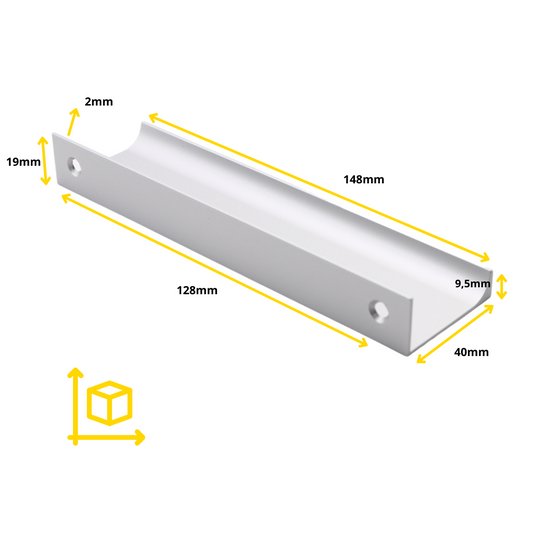
Edge Grip Profile Handle, Aluminum, HC 1-1/4, 3-3/4, 5-1/16 inchRegular price From $2.23Unit price / perRegular priceSale price From $2.23
-
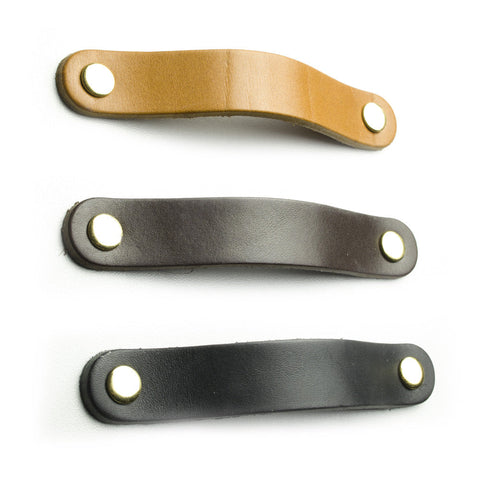
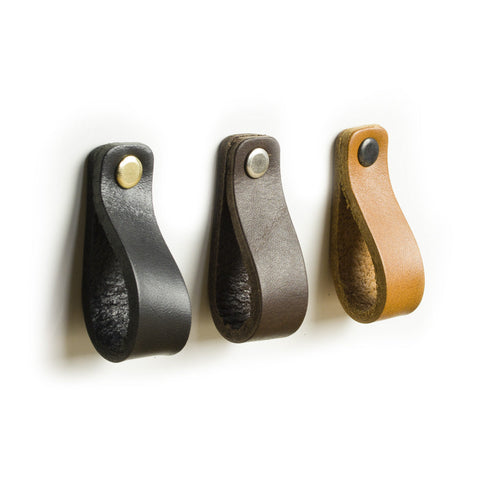
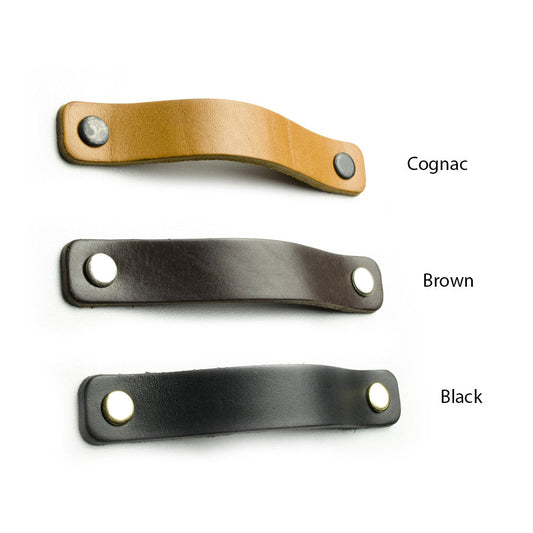
Leather handle rectangular 96mm - 160mmRegular price $9.80Unit price / perRegular priceSale price $9.80
-
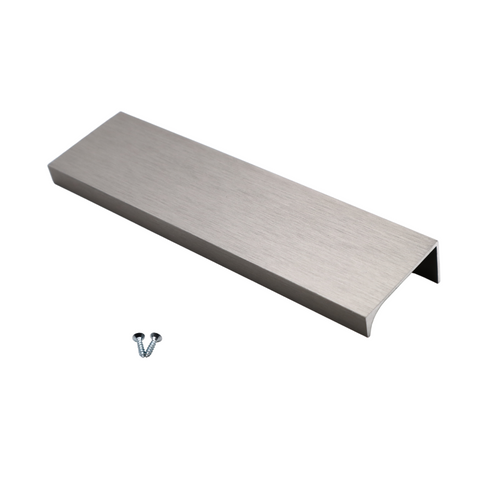
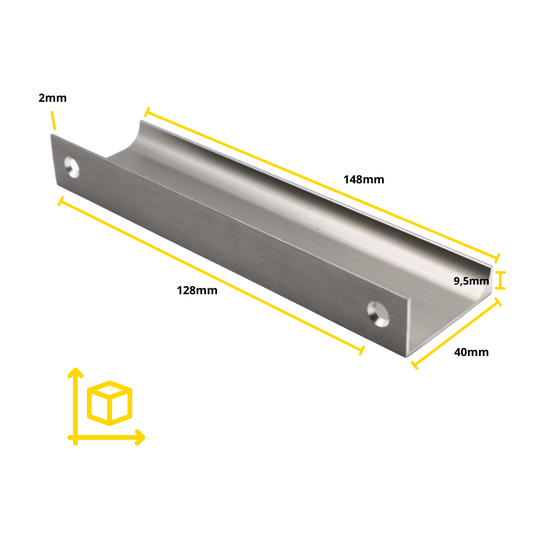
Edge Grip Profile Handle, Brushed Steel, HC 1-1/4, 3-3/4, 5-1/16 inchRegular price From $2.74Unit price / perRegular priceSale price From $2.74
-
Edge Grip Profile Handle, Chrome, HC 1-1/4, 3-3/4, 5-1/16 inchRegular price From $2.98Unit price / perRegular priceSale price From $2.98
-
Edge Grip Profile Handle, Gold, HC 1-1/4 inchRegular price $2.98Unit price / perRegular priceSale price $2.98
-
Edge Grip Round Profile Handle 5-1/16 inch (5-13/16 inch total length) - Black MattRegular price $5.99Unit price / perRegular priceSale price $5.99
-
Edge Grip Round Profile Handle 5-1/16 inch (5-13/16 inch total length) - Brushed SteelRegular price $5.99Unit price / perRegular priceSale price $5.99
-
Edge Grip Round Profile Handle 5-1/16 inch (5-13/16 inch total length) - AluminumRegular price $5.99Unit price / perRegular priceSale price $5.99
-
Edge Grip Round Profile Handle 5-1/16 inch (5-13/16 inch total length) - WhiteRegular price $5.99Unit price / perRegular priceSale price $5.99
-
Edge Grip UFO Profile Handle 5-1/16 inch (5-13/16 inch total length) - Black MattRegular price $7.26Unit price / perRegular priceSale price $7.26
-
Edge Grip UFO Profile Handle 5-1/16 inch (5-13/16 inch total length) - Matt GoldRegular price $7.55Unit price / perRegular priceSale price $7.55
-
Edge Grip UFO Profile Handle 5-1/16 inch (5-13/16 inch total length) - AluminumRegular price $6.30Unit price / perRegular priceSale price $6.30
-
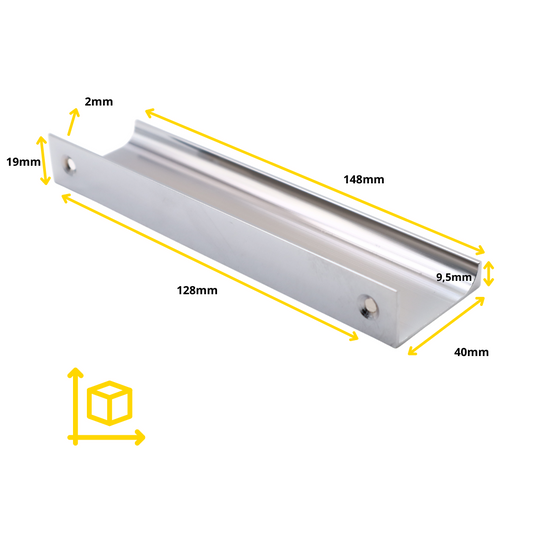
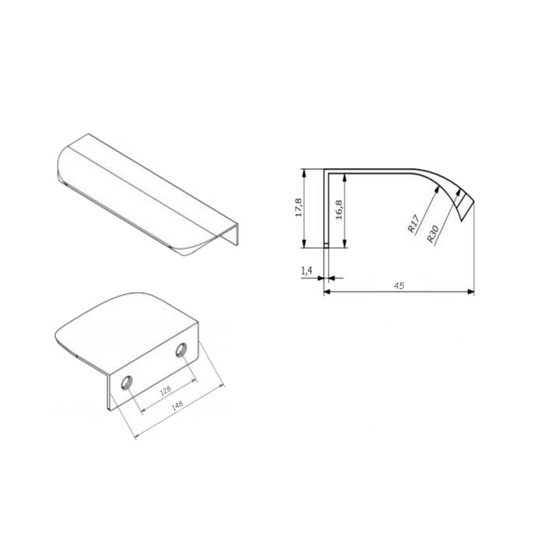
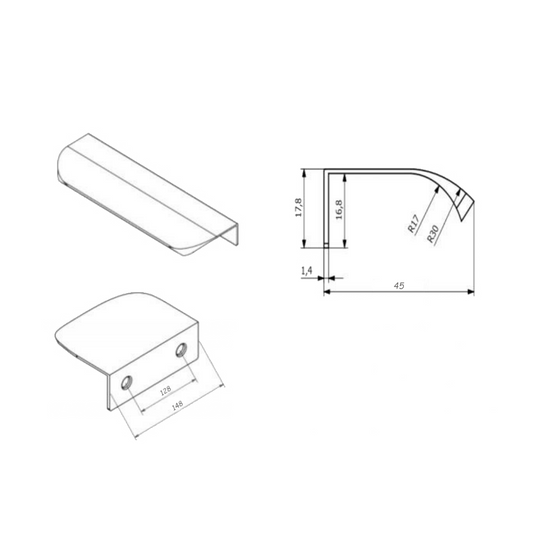
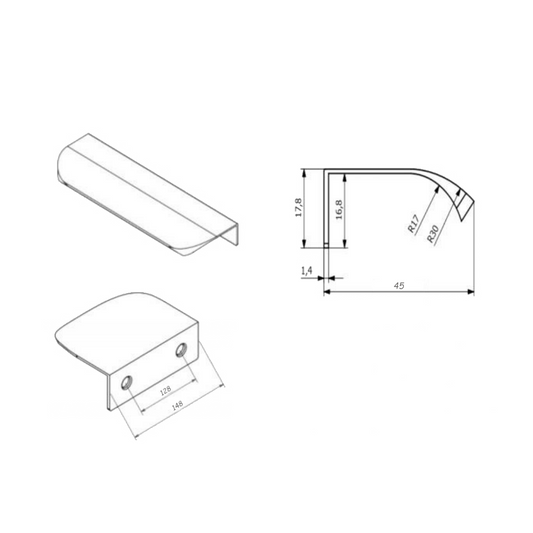
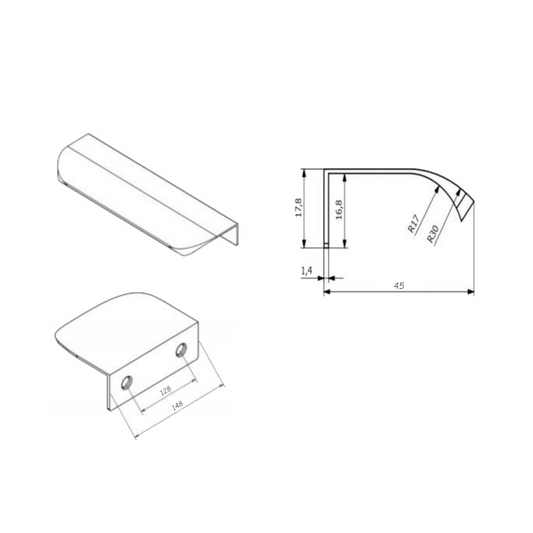
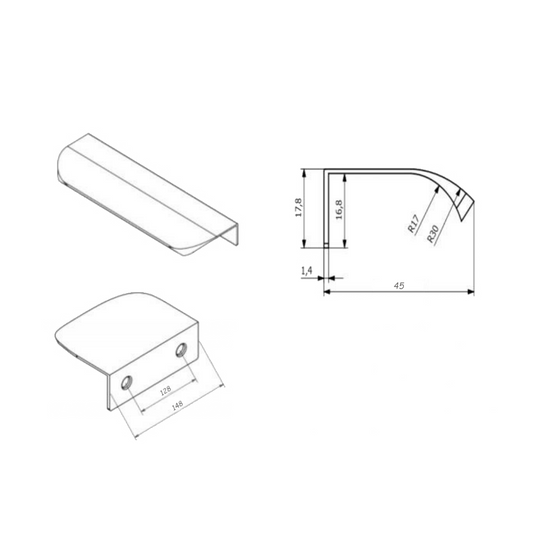
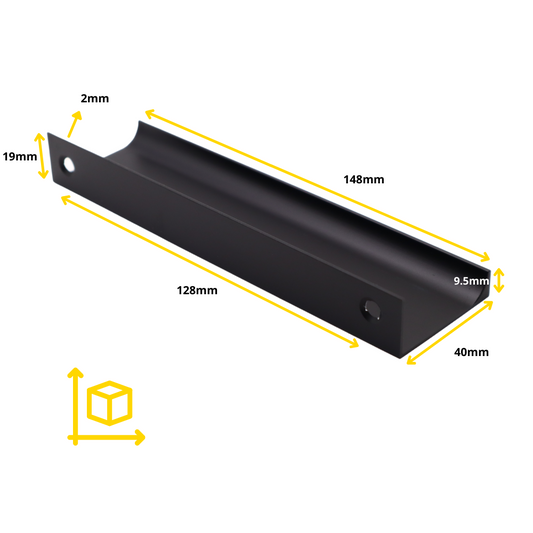
Edge Pull 5-1/16 inch (128 mm) (5-13/16 inch / 148 mm Overall Length) - BlackRegular price $3.29Unit price / perRegular priceSale price $3.29
-
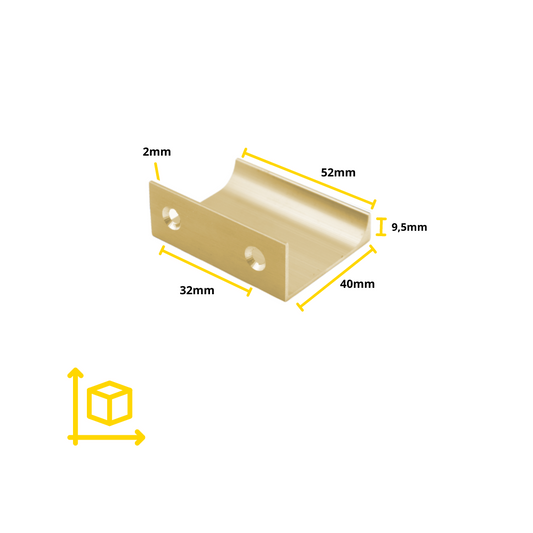
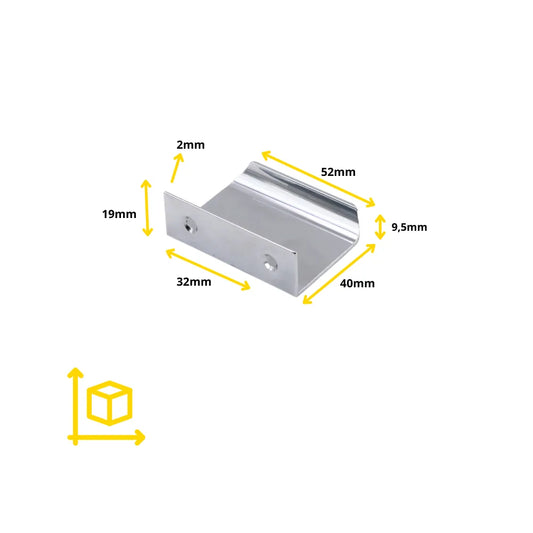
Edge Pull Profile Handle 1-1/4 inch (32 mm) Center-to-Center (2-1/16 inch / 52 mm Overall Length) - ElectropolishedRegular price $2.06Unit price / perRegular priceSale price $2.06
-
Edge Grip Round Profile Handle 5-1/16 inch (5-13/16 inch total length) - Matt GoldRegular price $5.99Unit price / perRegular priceSale price $5.99
-
Edge Grip Profile Handle, Black, HC 1-1/4, 3-3/4, 5-1/16 inchRegular price From $2.84Unit price / perRegular priceSale price From $2.84
-
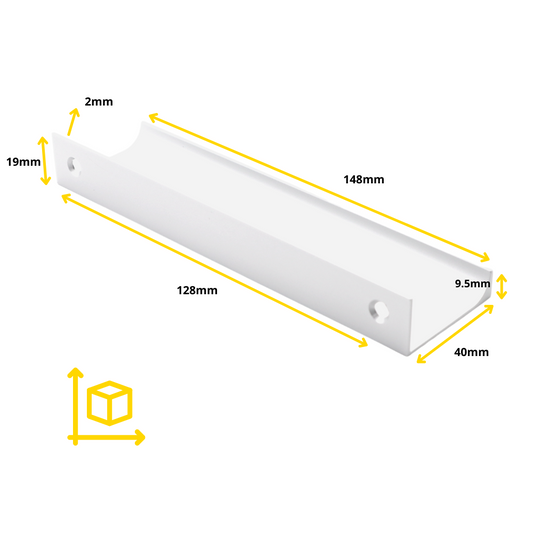
Edge Grip Profile Handle, White, HC 1-1/4, 3-3/4, 5-1/16 inchRegular price From $2.90Unit price / perRegular priceSale price From $2.90
-
Pull handle brushed steel - 7-7/8 inchRegular price $1.78Unit price / perRegular priceSale price $1.78
-
Pull handle brushed steel - 13-3/4 inchRegular price $2.05Unit price / perRegular priceSale price $2.05
-
Pull handle brushed steel - 17-11/16 inchRegular price $2.23Unit price / perRegular priceSale price $2.23
-
Pull handle brushed steel - 19-11/16 inchRegular price $2.30Unit price / perRegular priceSale price $2.30




















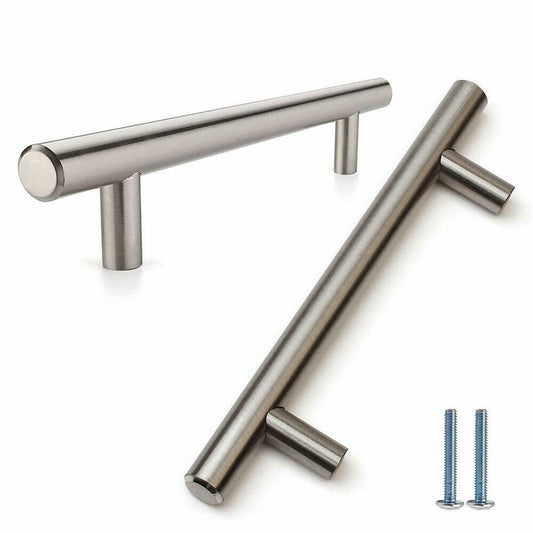

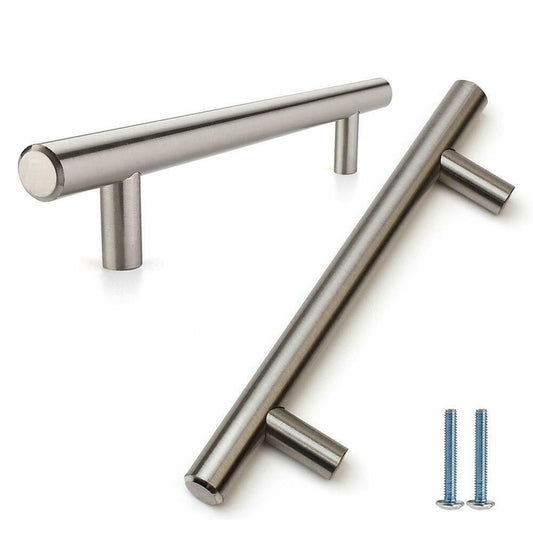
Stainless steel cabinet pullsare mechanical operating components for furniture fronts engineered to offer high tensile strength, corrosion resistance, and a wear-resistant surface due to their material properties. They serve to open and close drawers, flaps, and side-hinged doors. In furniture construction and interior fitting, they form the direct physical interface between the user and the cabinet body. Stainless steel pulls on a furniture front act like the radiator grille on an industrial engine—functional, robust, and designed for absolute precision.
For cabinetmakers, installers, and ambitious DIYers, choosing the right pull is not just a matter of aesthetics; it is primarily a decision about ergonomics, leverage, and long-term durability. Whether on solid oak fronts, melamine-coatedparticle board, or paintedMDFpanels: a precisely mountedmetal cabinet pullmade of or featuring a stainless steel finish guarantees wear-free operation for decades.
Technical Properties and Finishes
In furniture making, stainless steel (frequently in 304 or 316 grades) stands out for its immunity to moisture, acids (such as skin oils and sweat), and temperature fluctuations. This makes the material the preferred choice for high-traffic areas.
The surface finish significantly impacts both tactile feel and maintenance requirements:
- Brushed Stainless Steel:The surface is mechanically ground in a single direction. This creates a matte, lightly textured look that is less susceptible to fingerprints. Suchbrushed steel cabinet pullsdiffuse light and conceal micro-scratches that occur in demanding everyday use.
- Matte Stainless Steel:A homogeneously blasted surface with no visible grain direction.
- Solid Stainless Steel vs. Hollow Construction:Manytubular stainless steel pullsare engineered as hollow profiles. This reduces the weight on the door front (important for hinge load) and simplifies installation without sacrificing flexural strength under normal pulling loads. Conversely,solid stainless steel cabinet pullsare utilized for extremely heavy pull-out units.
Design Styles and Construction Types
The geometry of the pull determines how pulling force is transferred to the cabinet front. In practice, installers distinguish between several basic shapes selected according to project requirements.
Bar Pulls and Tubular Pulls
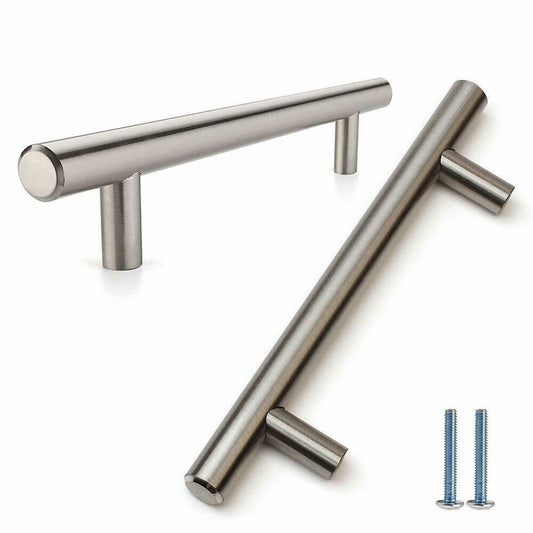
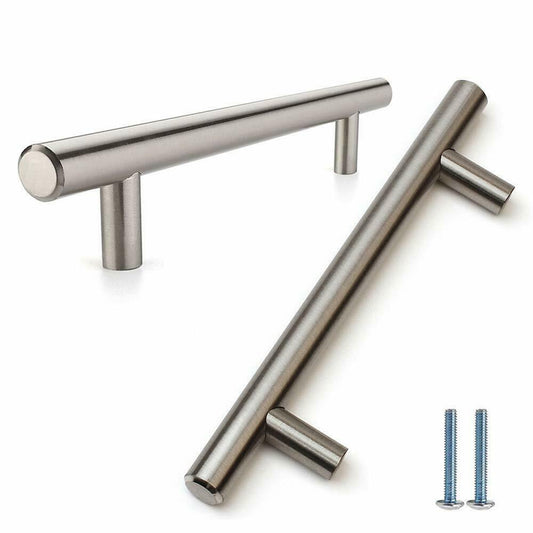
The classicstainless steel bar pullconsists of a cylindrical handle bar and two posts mounted perpendicular to the front. A defining feature is that the handle bar often extends beyond the posts. This design allows for a versatile grip and offers a large gripping surface. They are ideal askitchen cabinet pulls, as they can be grabbed securely even with wet hands. Depending on the width of the drawer, lengths from5-7/8 in to 27-9/16 in (150 mm–700 mm)are installed.
Edge Pulls and Finger Pulls
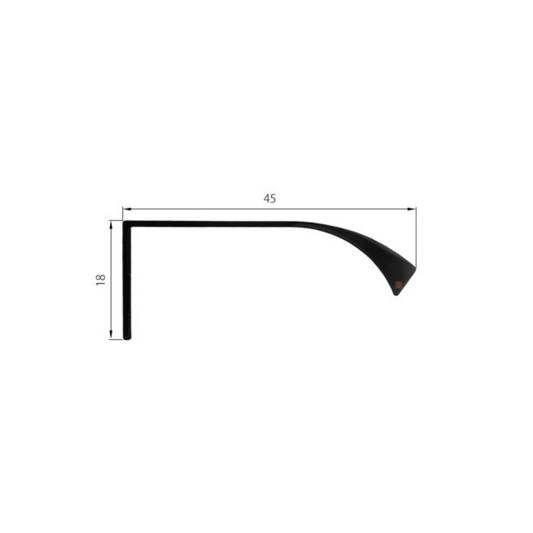
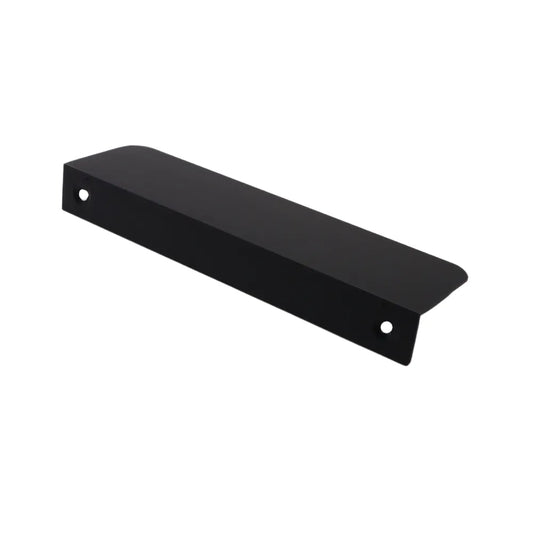
Anedge pull(or profile pull) is not surface-mounted on the face of the front, but screwed into the top or side edge of the door or drawer. It often wraps around the edge or sits flat against the back. Thesestainless steel finger pullscreate a handleless, flush look highly sought after in modern, minimalist room concepts likemodern cabinet pulls. Force transmission here is applied more directly to the edge of the substrate.
Bow Pulls and Rectangular Variants
Bow pulls are cast or bent from a single piece and sit flush against the front.Rectangular stainless steel cabinet pullsfeature clean, crisp edges that provide a strong geometric contrast to smooth fronts and align precisely with the reveal lines of drawer grids.
System 32 and Hole Center Spacing (Center-to-Center)
The critical dimension when planning and installing stainless steel cabinet pulls is thehole center spacing (center-to-center / C-C). This specifies the exact distance from the center point of one threaded mounting hole to the other.
In modern cabinetry, almost everything is based onSystem 32. This means that hole center distances are almost always a multiple of1-1/4 in (32 mm). This simplifies automated manufacturing (32mm line boring) and standardized replacement. Common spacings include:
- 3-3/4 in (96 mm) cabinet pulls(3 x 32)
- 5-1/16 in (128 mm) cabinet pulls(4 x 32)
- 6-5/16 in (160 mm) cabinet pulls (5 x 32)
- 7-9/16 in (192 mm) cabinet pulls(6 x 32)
- 10-1/16 in (256 mm) cabinet pulls(8 x 32)
When retrofitting older cabinets (e.g., replacingolder IKEA stainless steel pulls), it is essential to measure the existing hole spacing with a caliper or accurate tape measure to ensure you can reuse the pre-drilled holes in the front.
Installation Guide for Professionals and DIYers
Installing cabinet pulls requires precision, as misdrilled holes can ruin the entire cabinet door.
Preparation and Tools:You will need a cordless drill, a sharp wood drill bit (Ø5/32 in or 3/16 in (4 mm or 5 mm)), a Phillips screwdriver (typically #2), and an alignment cabinet hardware jig for new installations.
The Drilling Process:
- Mark the positions. On melamine-coated particle board, it is best to apply painter's tape over the drilling area to prevent chip-out of the surface coating.
- Always drill from the finished face (outside) toward the inside. If blowout occurs as the bit exits on the backside, it will be hidden by the screw head or a washer.
- Hold the drill perfectly perpendicular (at 90°) to the front surface.
Fastening:Stainless steel cabinet pulls feature standardized metric internalM4threads. Attachment is carried out using M4 machine screws (truss head). Screw length depends on the thickness of the front panel. For a standard3/4 in (19 mm)front, a screw length of7/8 in to 1 in (22 mm–25 mm)is typically used. The screw must engage deeply enough into the pull without bottoming out in the blind hole, which would prevent the pull from clamping tightly against the front.
Selected Components in Detail
Choosing specific hardware depends heavily on the application site. Here is a technical look at various configurations:
- The Standard for Wide Pull-Out Drawers:TheStainless Steel Bar Pull - 6-5/16 in (160 mm) Center-to-Center, 9-13/16 in (250 mm) Overall Lengthprovides a solid two-point mount with its 6-5/16 in (160 mm) hole spacing. The overall length of 9-13/16 in (250 mm) ensures that pulling force is evenly distributed across wide drawers (e.g., 23-5/8 in or 31-1/2 in (600 mm or 800 mm) cabinet widths) without bowing the front.
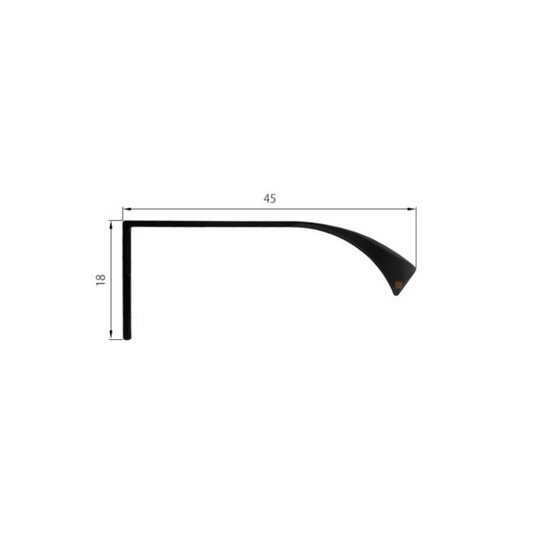
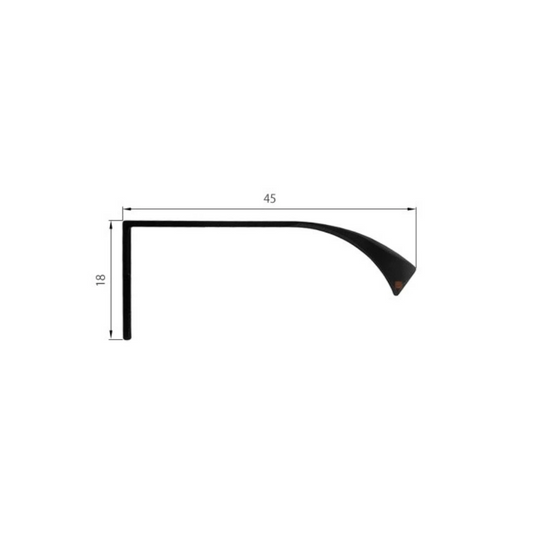
- Edge Minimalism:A flush mounting option is provided by theEdge Pull Strip 5-1/16 in (128 mm) Center-to-Center, 5-13/16 in (148 mm) Overall Length - Brushed Stainless Steel. It is screwed onto the top or rear edge of the front. Note that a reveal gap of at least1/16 in to 1/8 in (2 mm–3 mm)must be present between the front and the cabinet carcass so the door closes smoothly without binding against the pull's mounting plate.
- Heavy-Duty and Full-Height Doors:For large wardrobe doors or heavy pantry pull-out tall cabinets, maximum leverage is required. Here, theStainless Steel Bar Pull - 17-5/8 in (448 mm) Center-to-Center, 27-3/8 in (695 mm) Overall Lengthcomes into play. Due to its extended length, the door can be comfortably grasped at any ergonomic height.
- Color Contrasts:Although the material gives the category its name, stainless steel core bodies are frequently coated to fit into distinctindustrial cabinet pulldesign schemes. One example is theStainless Steel Bar Pull - 5-1/16 in (128 mm) Center-to-Center, 7-3/8 in (188 mm) Overall Length - Black, which combines the structural integrity of steel with the aesthetic of a matte powder coat (see alsomatte black cabinet pulls).
Care and Maintenance of Stainless Steel Cabinet Pulls
Stainless steel is low-maintenance, but requires proper care to prevent flash rust (surface rust caused by airborne iron particles) and smudges.
- Cleaning:Wipe exclusively with a soft microfiber cloth and warm water mixed with a drop of mild dish soap.
- Wiping Direction:On brushed finishes (brushed stainless steel cabinet pulls), always wipewiththe grain of the brushed finish, never across it. Wiping across the grain pushes dirt deeper into the micro-grooves.
- Prohibited Cleaners:Abrasive scrubbing cleansers, steel wool, or chlorine-based cleaners destroy the passive protective layer of stainless steel and inevitably lead to scratching and corrosion.
FAQ – Frequently Asked Questions About Stainless Steel Cabinet Pulls
What does center-to-center (C-C) hole spacing mean for stainless steel cabinet pulls?
Center-to-center hole spacing (or C-C) defines the exact distance between the centers of the two screw holes drilled through the cabinet front to mount the pull. It is specified in millimeters or inches and typically follows the System 32 grid (e.g., 3-3/4 in (96 mm), 5-1/16 in (128 mm), 6-5/16 in (160 mm)).
Which screws do I need for installation?
Virtually all standard stainless steel cabinet pulls come equipped with internal metric M4 threads. For installation, you need metric M4 machine screws. The screw length is calculated from the thickness of the cabinet door plus approximately3/16 in (4 mm–5 mm)of thread engagement depth into the pull. For a 3/4 in (19 mm) thick door, you generally select a 7/8 in or 1 in (22 mm or 25 mm) long screw.
Can I easily replace older IKEA cabinet pulls with new stainless steel cabinet pulls?
Yes, this is a classic cabinet refresh project. The key is to measure the exact center-to-center (C-C) hole spacing of the old pulls. If your old pull had a 6-5/16 in (160 mm) C-C spacing, you must select a new pull with an exact 6-5/16 in (160 mm) C-C spacing to reuse the existing holes in the door front.
What is the technical difference between a bar pull and an edge pull?
A bar pull is mounted flat onto the face of the cabinet front; the screws pass through the wood at a 90° angle. An edge pull (or finger pull) is screwed into the top or back edge of the front panel. It extends slightly past the edge, leaving the main face of the panel untouched and free of front-facing drill holes.
Why does my stainless steel pull twist after installation even though the screw is tight?
This usually happens with single-screw cabinet knobs when the drilled hole is slightly oversized, or when the screw bottoms out inside the blind threaded hole of the pull before pulling the hardware flush against the door. The solution is using a slightly shorter screw or adding a thin M4 flat washer behind the cabinet door.
Related Components and Categories
To complete your cabinetry project both technically and visually, explore these compatible hardware options and alternative finishes:
- Round Cabinet Pulls
- Aluminum Cabinet Pulls
- 5-1/16 in (128 mm) Cabinet Pulls
- Kitchen Cabinet Pulls
- Black Metal Cabinet Pulls
- Matte Gold Cabinet Pulls
- White Cabinet Pulls