
Edge Pull Handles
Popular Subcategories
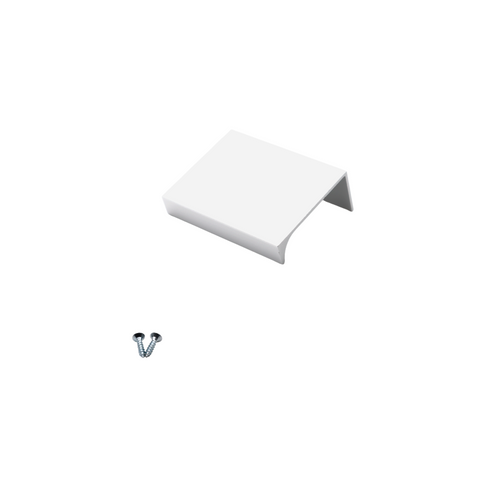
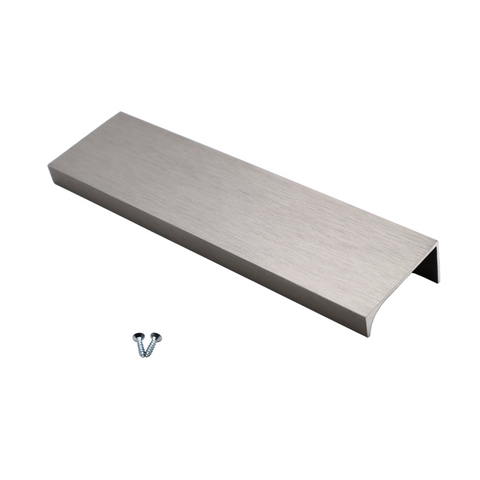
-
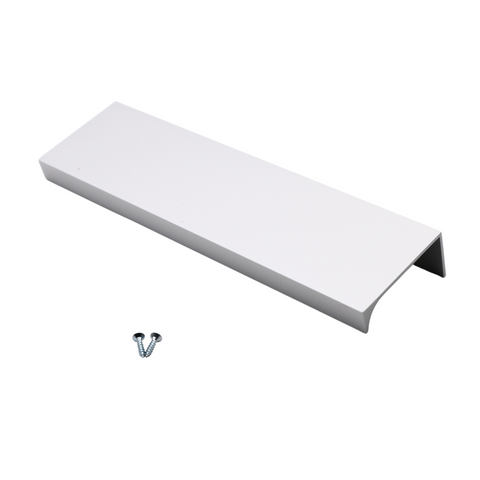
Edge Grip Profile Handle, Aluminum, HC 1-1/4, 3-3/4, 5-1/16 inchRegular price From $2.23Unit price / perRegular priceSale price From $2.23
-
Edge Grip Profile Handle, Brushed Steel, HC 1-1/4, 3-3/4, 5-1/16 inchRegular price From $2.74Unit price / perRegular priceSale price From $2.74
-
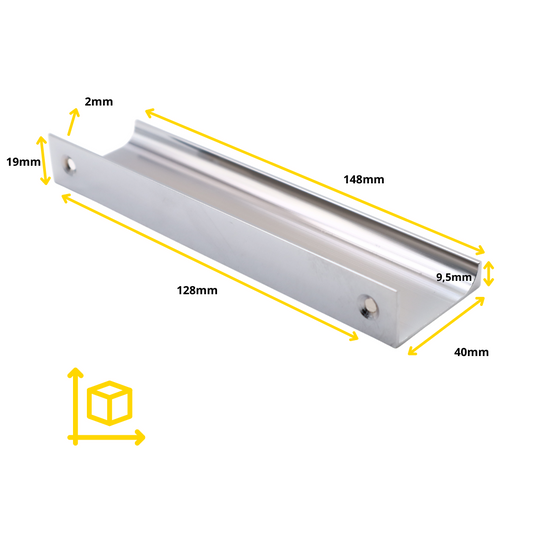
Edge Grip Profile Handle, Chrome, HC 1-1/4, 3-3/4, 5-1/16 inchRegular price From $2.98Unit price / perRegular priceSale price From $2.98
-
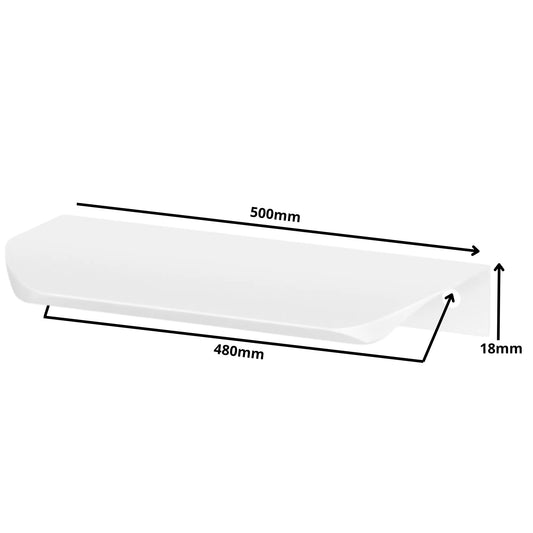
Rounded Edge Profile Cabinet Handle 18-7/8 inch (480 mm) Center-to-Center (19-11/16 inch / 500 mm Overall Length) - WhiteRegular price $9.62Unit price / perRegular priceSale price $9.62
-
Edge Grip Profile Handle, Gold, HC 1-1/4 inchRegular price $2.98Unit price / perRegular priceSale price $2.98
-
Edge Grip Round Profile Handle 5-1/16 inch (5-13/16 inch total length) - Black MattRegular price $5.99Unit price / perRegular priceSale price $5.99
-
Edge Grip Round Profile Handle 5-1/16 inch (5-13/16 inch total length) - Brushed SteelRegular price $5.99Unit price / perRegular priceSale price $5.99
-
Edge Grip Round Profile Handle 5-1/16 inch (5-13/16 inch total length) - AluminumRegular price $5.99Unit price / perRegular priceSale price $5.99
-
Edge Grip Round Profile Handle 5-1/16 inch (5-13/16 inch total length) - WhiteRegular price $5.99Unit price / perRegular priceSale price $5.99
-
Edge Grip UFO Profile Handle 5-1/16 inch (5-13/16 inch total length) - Black MattRegular price $7.26Unit price / perRegular priceSale price $7.26
-
Edge Grip UFO Profile Handle 5-1/16 inch (5-13/16 inch total length) - Matt GoldRegular price $7.55Unit price / perRegular priceSale price $7.55
-
Edge Grip UFO Profile Handle 5-1/16 inch (5-13/16 inch total length) - AluminumRegular price $6.30Unit price / perRegular priceSale price $6.30
-
Edge Grip Round Profile Handle 3.75 inch (96 mm) (4-9/16 inch / 116 mm Overall Length) - ElectropolishedRegular price $3.75Unit price / perRegular priceSale price $3.75
-
Edge Grip Round Profile Cabinet Pull 2-1/2 inch (64 mm) (3-5/16 inch (84 mm) Overall Length) - GoldRegular price $1.80Unit price / perRegular priceSale price $1.80
-
Edge Grip Round Profile Cabinet Handle 2-1/2 inch / 64 mm (3-5/16 inch / 84 mm Overall Length) - ElectropolishedRegular price $3.07Unit price / perRegular priceSale price $3.07
-
Edge Grip Round Profile Cabinet Handle 2-1/2 inch (64 mm) (3-5/16 inch / 84 mm Overall Length) - Matte BlackRegular price $2.25Unit price / perRegular priceSale price $2.25
-
Edge Grip Round Profile Cabinet Handle 2-1/2 inch (64 mm) (3-5/16 inch (84 mm) Overall Length) - WhiteRegular price $2.33Unit price / perRegular priceSale price $2.33
-
Edge Grip Round Profile Cabinet Handle 2-1/2 inch (64 mm) (3-5/16 inch (84 mm) Overall Length) - Brushed Stainless Steel FinishRegular price $2.33Unit price / perRegular priceSale price $2.33
-
Edge Grip Round Profile Handle 21-1/4 inch (540 mm) (22-1/16 inch (560 mm) Overall Length) - ElectropolishedRegular price $15.50Unit price / perRegular priceSale price $15.50
-
Edge Grip Round Profile Handle 21-1/4 inch (540 mm) (22-1/16 inch / 560 mm Overall Length) - Matte BlackRegular price $9.69Unit price / perRegular priceSale price $9.69
-
Edge Grip Round Profile Pull 21-1/4 inch (540 mm) (22-1/16 inch (560 mm) Overall Length) - WhiteRegular price $10.07Unit price / perRegular priceSale price $10.07

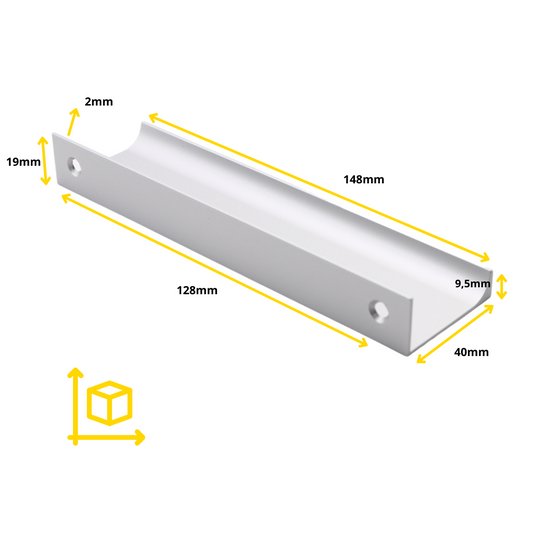

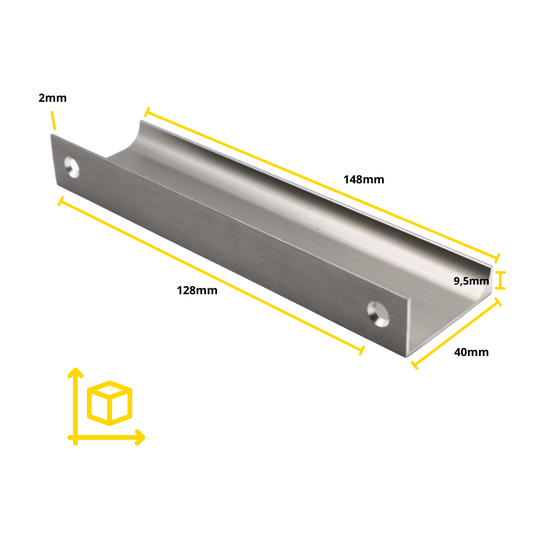





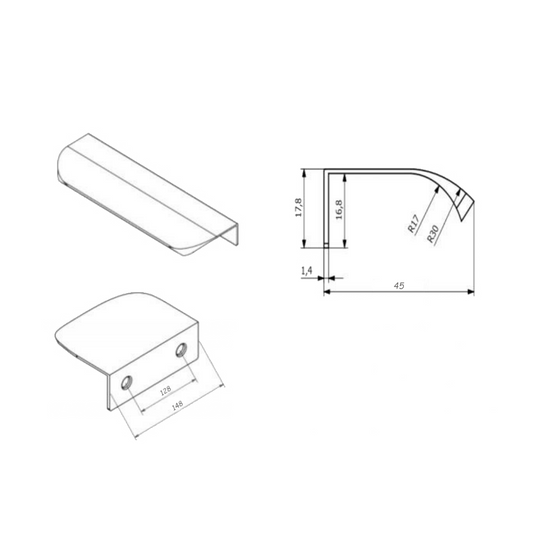

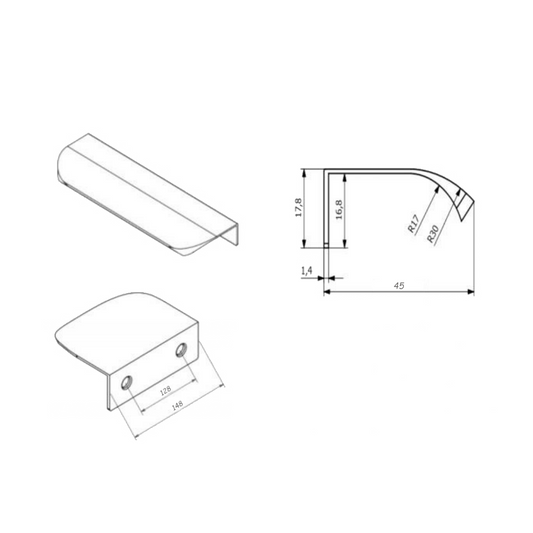

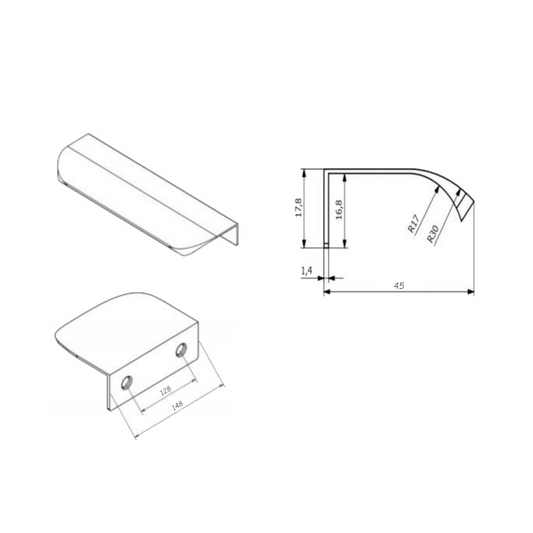

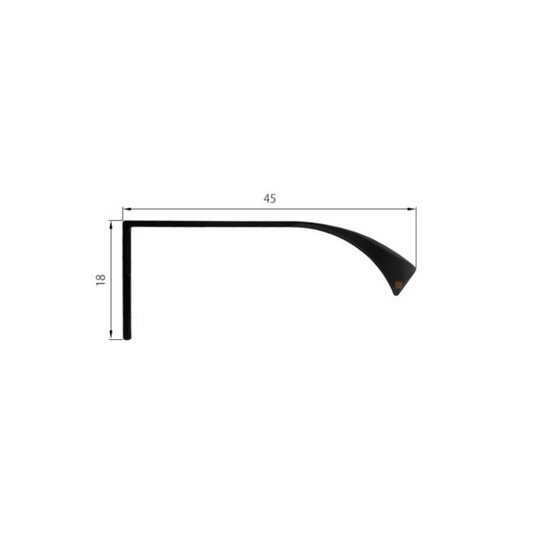

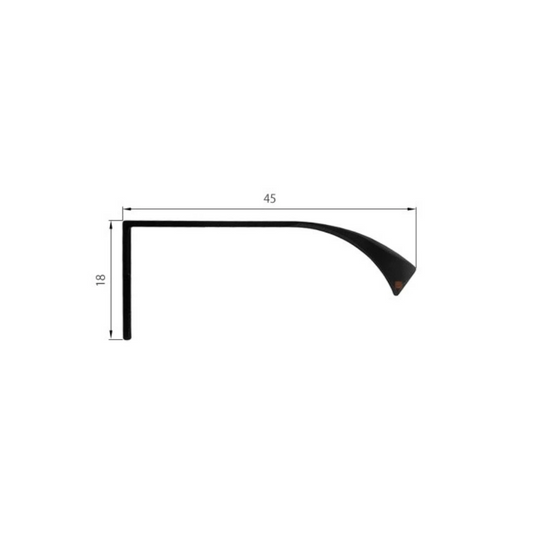

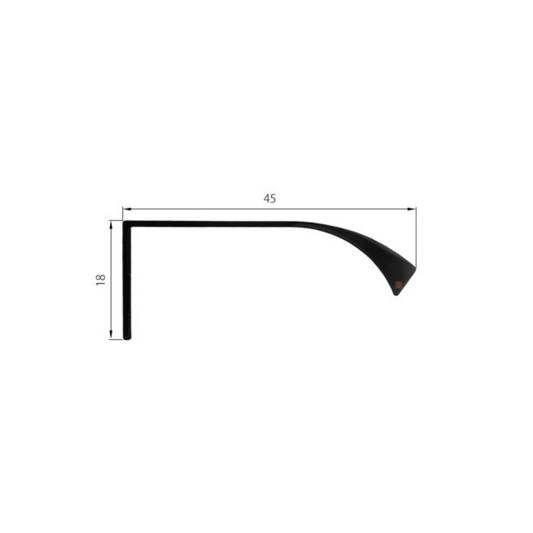

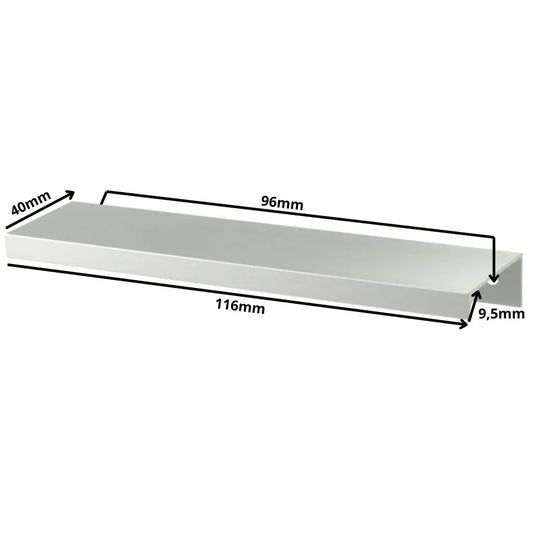

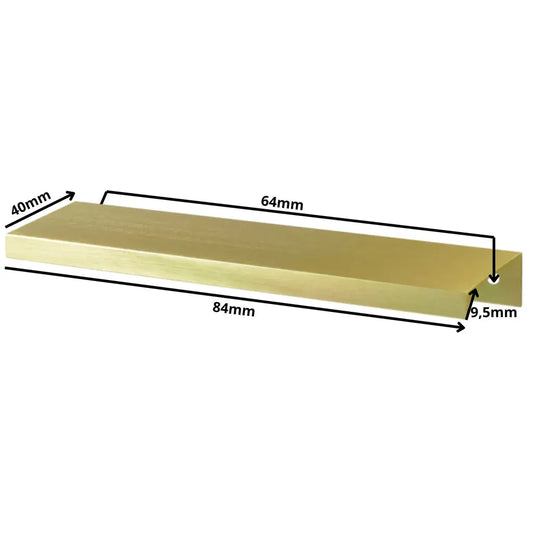

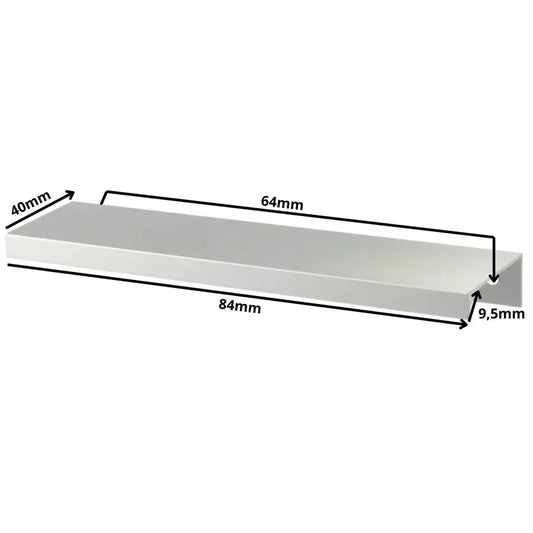

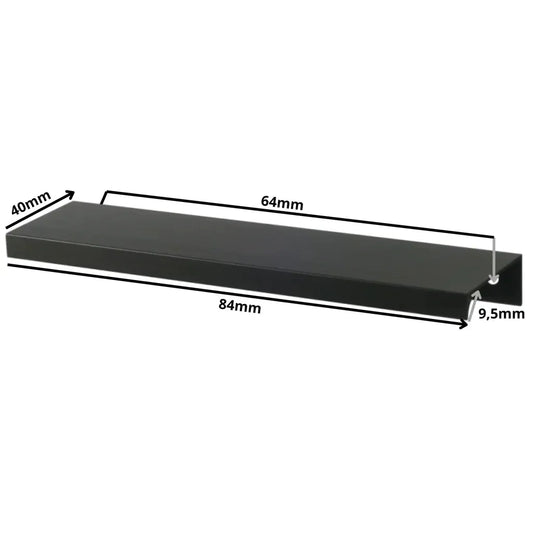

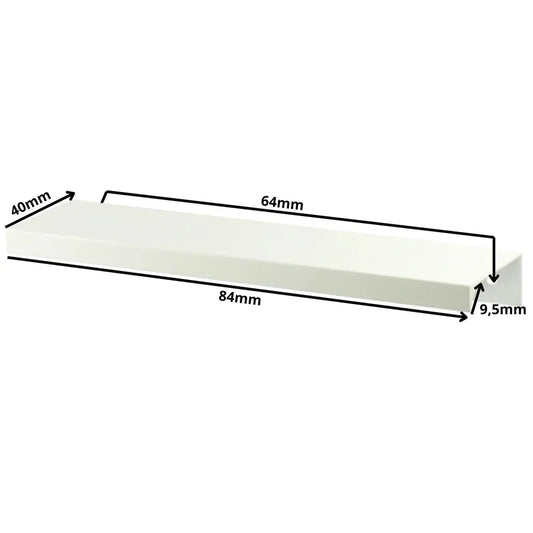

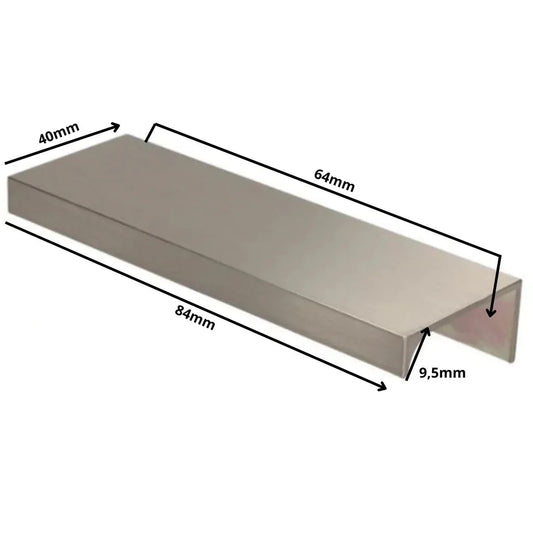

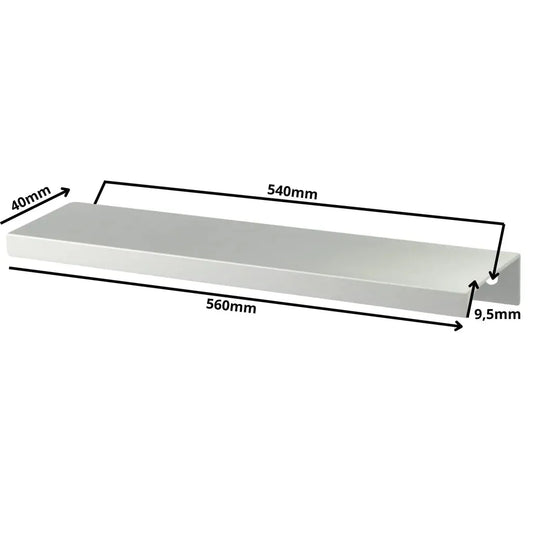

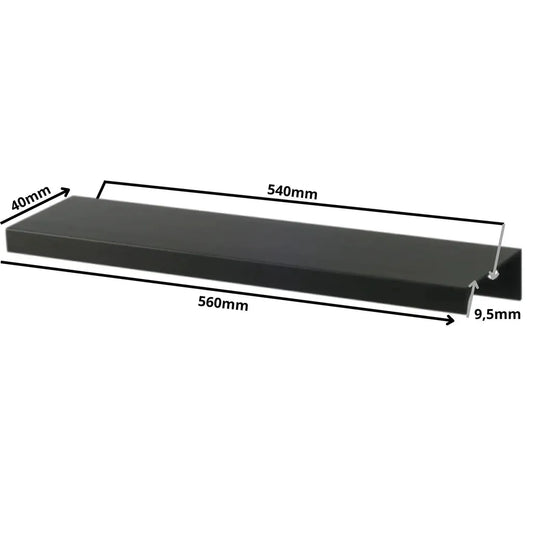

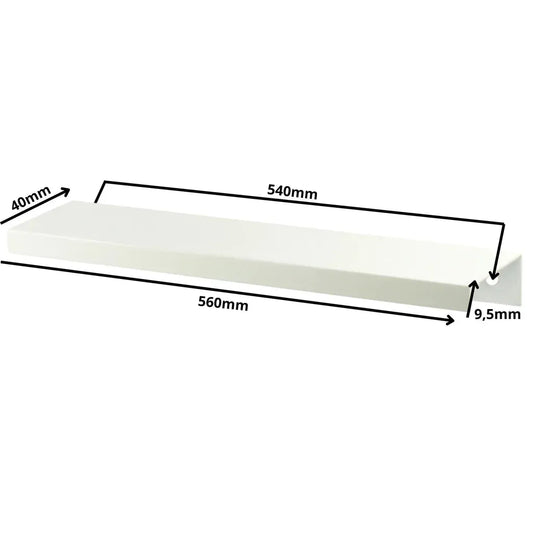
An edge pull handle (often referred to as a profile handle or edge grip) is a functional hardware solution mounted directly to the edge of a cabinet front, uniting a flush, handleless aesthetic with high ergonomic functionality.In modern cabinetry, these edge pull handles form the technical link between the clean look of handleless fronts and the mechanical necessity of a tactile gripping surface. Unlike traditional arch or bow pulls that are surface-mounted onto the face of the door, edge pulls wrap over the top or side edge of the substrate board and distribute pulling force evenly across the entire width of the door or drawer.
Construction and Mechanical Functionality
The structure of anedge pull handleis engineered for maximum power transmission with minimal visual interruption. Much like an aerodynamic spoiler on a vehicle frame, the metal profile sits flush against the edge of the substrate board, seamlessly transferring pulling energy directly into the mechanics of the drawer slides or concealed hinges when opened.
Fixation is typically achieved via rear-mount screws. This means the screws are driven through the rear flange of the profile directly into the backside of the cabinet front (usually particle board or MDF). Consequently, the visible front surface remains entirely pristine. This requires precise craftsmanship during installation, as the material thickness of the front panel—typically5/8 in (16 mm)or3/4 in (19 mm)—limits the allowable screw length.
Design Types and Geometries
Selecting the right profile geometry determines both the overall ergonomics and the reveal spacing within the cabinet body. The industry primarily differentiates between the following cross-sections:
- The Classic Edge Grip:An L-shaped or slightly angled profile featuring a strictly linear design. This style provides a crisp, sharp accent line and integrates seamlessly into minimalist kitchen concepts. A prime example of this design is theEdge Pull Handle, Black, CC 32/96/128mm.
- The Rounded Profile:Features a cylindrical or semi-round receded grip channel. This enlarges the contact surface for fingertips and reduces pressure when opening heavy drawers. This geometry is particularly advantageous for wide, heavy-duty pull-outs. Models like theEdge Pull Handle Round 160mm (180mm Overall Length) - Aluminumexemplify this style.
- Specialty Profiles (e.g., UFO Profile):Specialized milled contours that offer an even deeper finger recess while maintaining a low-profile build. A technical example is theEdge Pull Handle UFO 128mm (148mm Overall Length) - Brushed Stainless Steel.
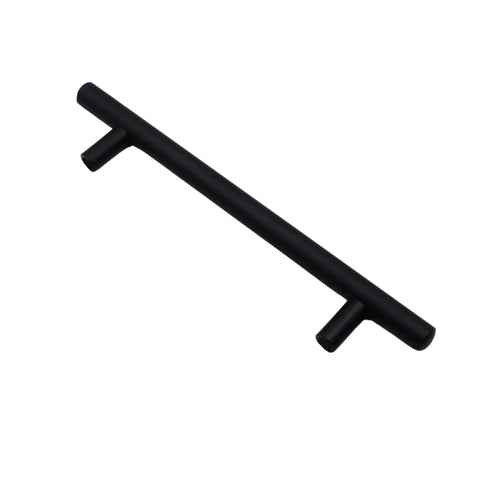
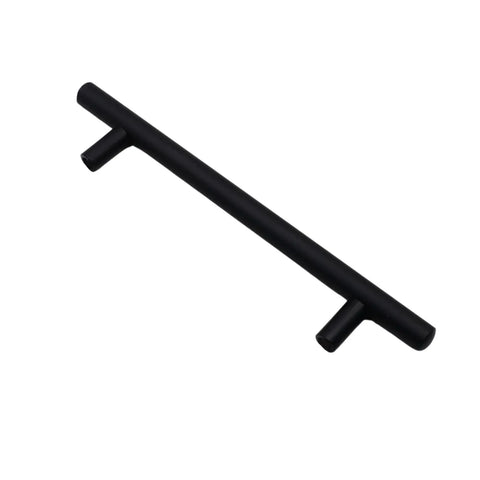
- Bar Pull Edge Mount Hybrids:A hybrid design where a cylindrical bar is mounted onto delicate feet along the edge, such as theStainless Steel Bar Pull Handle - 128mm (188mm Length) - Black.
Sizing Systems: Center-to-Center (CC) and Overall Length
For installers and woodworkers, precisely distinguishing between thecenter-to-center distance (CC)and theoverall lengthof the profile is critical. A dimensional error will invariably result in asymmetrical reveals or collisions with adjacent cabinet fronts.
Cabinet hardware in European and modern frameless design relies almost exclusively onSystem 32. This standardized grid system specifies that hole spacings are always multiples of1-1/4 in (32 mm).
Standard Center-to-Center Distances
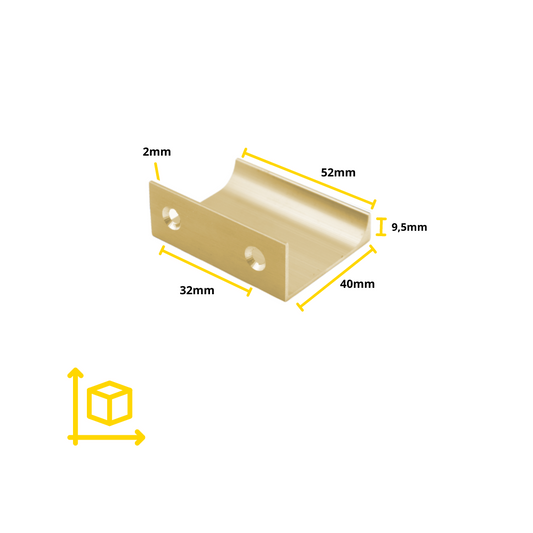
- CC 32 mm (1-1/4 in):Ideal for narrow apothecary pull-outs or small lift-up doors. TheEdge Pull Handle 32mm (52mm Overall Length) - Brushed Stainless Steelillustrates that with a 32 mm center-to-center spacing, the overall length is usually2-1/16 in (52 mm)(offering a 10 mm overhang on each side).
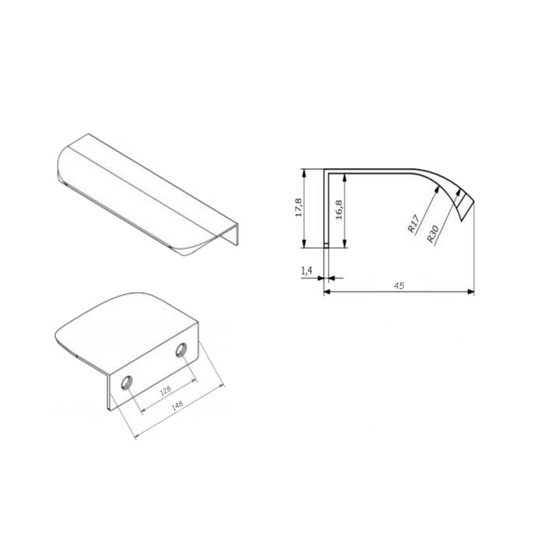
- CC 128 mm (5-1/16 in):The most common dimension for standard drawer widths (such as 16 in or 20 in cabinet bases). Here, the overall length is frequently5-13/16 in (148 mm), as seen on theEdge Pull Handle Round 128mm (148mm Overall Length) - Matte Goldor the classic model inChrome.
- CC 256 mm / 320 mm (10-1/16 in / 12-5/8 in):Designed for wide pull-outs (24 in to 32 in). A wider hole spacing prevents the drawer from binding on its drawer slides when pulled off-center. Reference models include theEdge Pull Handle 256mm (276mm Overall Length) - Whiteor its electropolished counterpart.
- Extended Lengths (up to 46-7/16 in / 1180 mm):Continuous profiles are utilized for floor-to-ceiling cabinet doors (such as integrated refrigerator panels or tall wardrobes). TheEdge Pull Handle Round 1180mm (1200mm Overall Length) - Matte Blackdistributes pulling force across multiple attachment points to prevent MDF panels from bowing.
Materials and Surface Finishes
Kitchenedge pull handlesare subjected to high demands: moisture, grease, acidic food residue, and constant mechanical friction require durable alloys and protective coatings.
Anodized Aluminum
Aluminum is the industry-standard material for profile pulls. It is lightweight, torsionally rigid, and can be extruded with extreme precision. Through anodization (anodic oxidation), the soft aluminum surface is converted into a hard, scratch-resistant oxide layer. This finish is highly corrosion-resistant and immune to standard household cleaners.
Brushed Stainless Steel
A stainless steeledge pull handleoffers maximum mechanical resilience. The alloy is rust-proof and hygienic. Brushing the surface creates a microscopically fine texture that diffuses fingerprints and conceals fine scratches. For high-traffic areas, brushed stainless steel or solid steel is technically the most durable choice.
Powder Coating (Matte Black / White)
Colored edge pulls, such as black or white models, are typically finished with high-grade powder coating. Electrostatic epoxy or polyester powder is applied to the metal and cured at approximately392 °F (200 °C). The result is an impact-resistant, uniform finish. AnEdge Pull Handle Round 480mm (500mm Overall Length) - Whiteoffers minimal light reflection, blending seamlessly into white high-gloss or matte cabinet fronts.
Electropolishing
For profiles designated as "electropolished," the metal is smoothed in an electrolytic bath under an electric current. This process produces a mirror-like, ultra-smooth surface that resists dirt accumulation and moisture adhesion.
Planning and Installation Parameters
Installing rear-mountededge pull handlesrequires careful consideration of specific clearance tolerances within the cabinet box. Unlike standard handles mounted directly on the face, an edge pull alters the physical dimensions of the door or drawer front.
Gap Clearance and Reveal Planning
When an edge pull wraps over the top edge of a drawer, the material thickness of the profile—typically1/16 in to 3/32 in (1.5 mm - 2.5 mm)—adds to the panel height. This thickness must be deducted when calculating reveals between stacked drawer fronts. If a standard reveal of1/8 in (3 mm)is planned and an edge pull with a5/64 in (2 mm)material thickness is installed, only3/64 in (1 mm)of clearance remains. This can cause adjacent fronts to rub during operation. For modern kitchens using edge pulls, a horizontal reveal of at least5/32 in to 3/16 in (4 mm - 5 mm)is strongly recommended.
Fastening Technique
Rear-mounting is performed using specialized wood screws (pan head or truss head). For standard panel thicknesses of5/8 in (16 mm), screws must not exceed a length of19/32 in (15 mm)to avoid puncturing or bulging the decorative front face. Pre-drilling with a5/64 in or 1/8 in (2 mm or 3 mm)wood bit prevents particle board splitting, particularly near sensitive edges.
Wood vs. Metal Edge Pulls
While a wooden edge pull is often routed directly out of an MDF or solid wood front ( integrated finger groove), metal profile edge pulls require no routing along the edge. They are simply fitted over the top and screwed from behind. This makes metal edge pulls the ideal solution for retrofits or frameless cabinetry built with standard melamine-faced panels, where routing would destroy the protective edge banding.
Applications in Custom Cabinetry & Interior Design
Selecting the ideal profile depends heavily on the room and functional demands of the furniture piece.
- Kitchen Cabinets:Stainless steel and aluminumedge pull handlesdominate kitchen applications. Wide profiles—starting at12-5/8 in (320 mm)—are frequently installed below countertops to easily manage the pulling forces of heavy pot drawers (often rated for66 lbs to 110 lbs (30 kg - 50 kg)).
- Bathroom Vanities:Corrosion protection is vital in high-humidity areas. Powder-coated or anodized aluminum variants prevent oxidation caused by steam and moisture.
- Living & Bedroom Furniture:Long, vertically mounted edge pulls are increasingly specified for sideboards and wardrobes, enhancing the clean vertical architectural lines of modern spaces.
- Edge Pulls vs. Push-to-Open:Profile pulls offer a reliable mechanical alternative to touch-latch systems. While push-to-open mechanisms often reach their spring-tension limits on heavily loaded drawers (such as pull-out trash bins), an edge pull handle delivers immediate, direct power transmission every time.
FAQ – Technical Questions About Edge Pull Handles
What is the difference between center-to-center distance and overall length?
Center-to-center (CC) distance defines the precise measurement (in inches or mm) between the centers of the two screw holes. Overall length refers to the total exterior dimension of the pull profile. Overall length is always greater than the center-to-center distance (typically by about3/4 in (20 mm)) to stylishly conceal the mounting points.
Which screws should I use to install edge pull handles?
For rear-mounting into standard particle board or MDF (5/8 in to 3/4 in / 16-19 mm thick),#6 x 5/8 in (3.5 mm x 15 mm)pan head wood screws are ideal. Countersunk screws should only be used if the mounting holes in the metal pull are factory-countersunk.
Can I purchase stock length aluminum profiles and cut them to size myself?
Bulk aluminum profile extrusion stock can be cut to custom lengths on-site. However, cutting with a miter saw (equipped with a non-ferrous metal blade) exposes raw aluminum along the cut edge by removing the protective anodized or powder-coated finish. This exposed edge must be deburred to avoid sharp edges and is more susceptible to oxidation. Pre-cut, factory-finished lengths always yield a cleaner, more professional result.
Do I need to route or dado the door edge to install an edge pull?
No, standard rear-mount edge pull handles fit directly onto square, edge-banded door and drawer edges. Routing or dadoing is only required for specialized recessed flush-mount profiles that sit completely flush with the wood surface.
How much reveal clearance should I plan for when designing cabinet boxes?
Because the profile wraps around the door edge, it adds its material thickness (approx.1/16 in to 3/32 in / 1.5 mm - 2.5 mm) to the door height. To prevent adjacent fronts from catching, the reveal gap between drawers should equal the material thickness of the handle plus an additional clearance buffer of5/64 in to 1/8 in (2 mm - 3 mm). In standard frameless cabinetry, aim for horizontal reveals of at least5/32 in to 3/16 in (4 mm - 5 mm).
Are edge pull handles suitable for wide, heavy-duty drawers?
Yes, though for drawers rated over66 lbs (30 kg), you should select a wider profile with a center-to-center measurement of at least12-5/8 in (320 mm). A wider gripping surface prevents users from pulling off-center, which could otherwise cause heavy ball-bearing or undermount drawer slides to rack or bind.