
Cabinet locks
Popular Subcategories
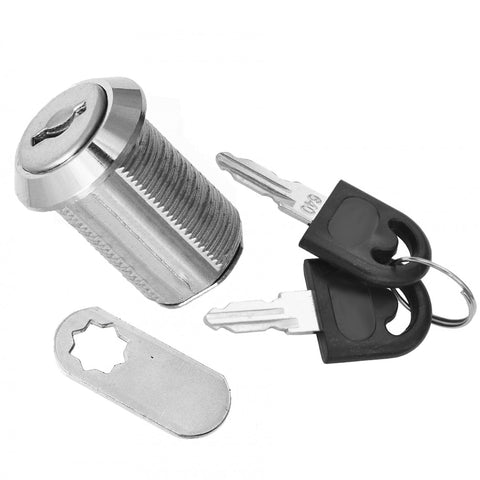
-
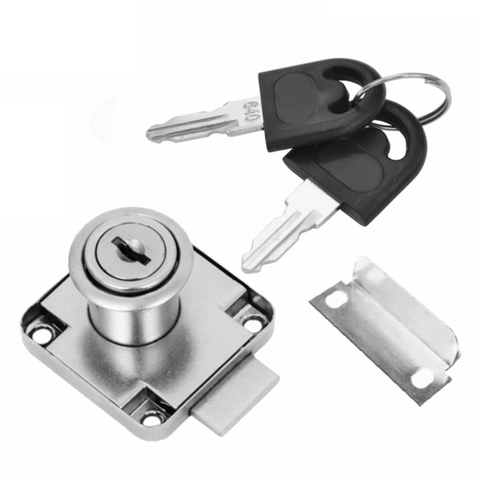
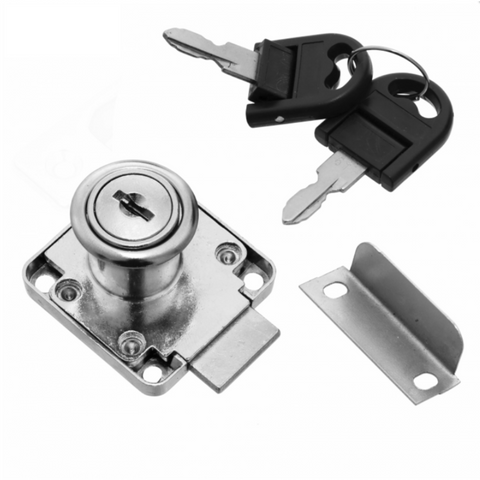
Square Furniture Lock 3/4x7/8 inch , ChromeRegular price $1.81Unit price / perRegular priceSale price $1.81
-
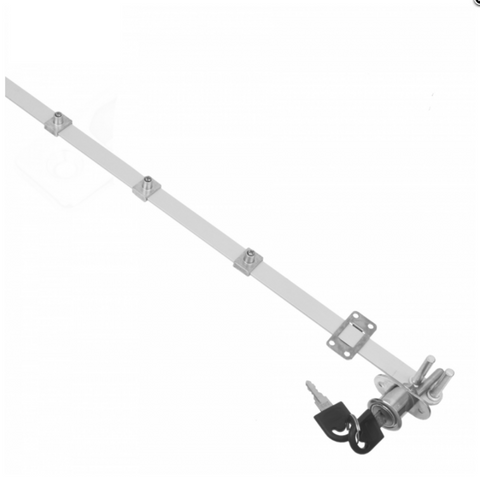
Rotatable Bar Lock 3/4x7/8 inch , 2 Bars L-39-3/8 inch, NickelRegular price $20.54Unit price / perRegular priceSale price $20.54
-
Central Lock Cylinder 3/4x13/16 inch, ChromeRegular price $1.88Unit price / perRegular priceSale price $1.88
-
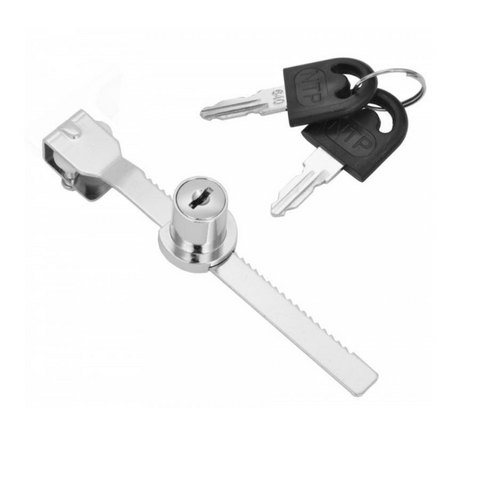
Cabinet Lock for Slidable Doors 3/4x15/16 inch, ChromeRegular price $1.84Unit price / perRegular priceSale price $1.84
-
Cabinet Lock with Straight Cam Plate 3/4x1-3/16 inch, ChromeRegular price $1.72Unit price / perRegular priceSale price $1.72
-
Cabinet Lock with Straight Cam Plate 3/4x1 inch, ChromeRegular price $1.63Unit price / perRegular priceSale price $1.63
-
Cabinet Lock with Straight Cam Plate 3/4x13/16 inch, ChromeRegular price $1.68Unit price / perRegular priceSale price $1.68
-
Square Lock, Blinds Shutter 3/4x7/8 inch , ChromeRegular price $2.09Unit price / perRegular priceSale price $2.09
-
Cabinet & Drawer Lock 19/32 x 29/32 inch (15x23 mm)Regular price $10.32Unit price / perRegular priceSale price $10.32
-
Cabinet & Drawer Lock 7/8 x 13/16 inch (22x21 mm)Regular price $12.19Unit price / perRegular priceSale price $12.19
-
Cabinet & Drawer Lock Left/Right Hand 7/8 x 13/16 inch (22 x 21 mm)Regular price $12.19Unit price / perRegular priceSale price $12.19
-
Cabinet Lock Cylinder with Digital KeyRegular price $2.49Unit price / perRegular priceSale price $2.49
-
Square Furniture Lock 3/4x1-1/2 inch, ChromeRegular price $2.14Unit price / perRegular priceSale price $2.14
-
Adjustable Cabinet & Drawer Lock 7/8 inch x 13/16 inch (22x21 mm)Regular price $15.01Unit price / perRegular priceSale price $15.01
-
Furniture Latch Lock 3/4x7/8 inch , ChromeRegular price $2.10Unit price / perRegular priceSale price $2.10
-
Furniture Lock 3/4x7/8 inch , Identical Key Version, NickelRegular price $3.53Unit price / perRegular priceSale price $3.53
-
Square Furniture Lock 3/4x7/8 inch , Folding Key, ChromeRegular price $2.05Unit price / perRegular priceSale price $2.05
-
Square Furniture Lock 3/4x7/8 inch , Identical Key Version, ChromeRegular price $5.54Unit price / perRegular priceSale price $5.54
-
Cabinet Lock with Hook Cam Plate 3/4x13/16 inch, ChromeRegular price $1.56Unit price / perRegular priceSale price $1.56
-
Cabinet Lock with Straight Cam Plate 3/4x5/8 inch, ChromeRegular price $1.50Unit price / perRegular priceSale price $1.50


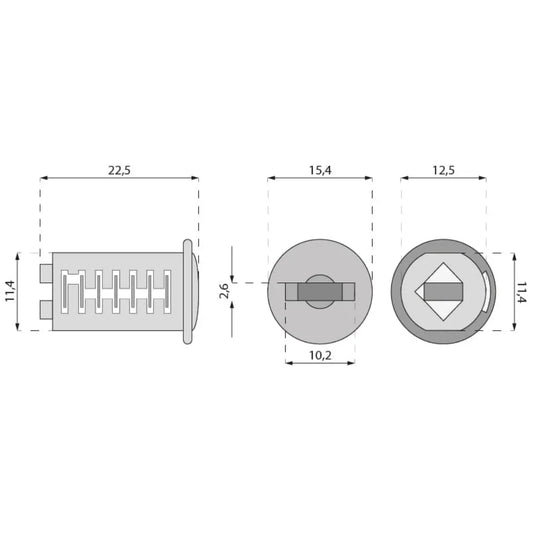




A cylinder cabinet lock (also known as a furniture cylinder lock)is a mechanical or electronic locking device in which a rotating cylinder core is unlocked by inserting the matching key to secure cabinets, drawers, desks, or mobile pedestals against unauthorized access. These hardware components form the security foundation in modern cabinet making and commercial interior fitting.
Design and Functionality of Cylinder Cabinet Locks
The internal mechanism of these locks is typically based on a wafer or pin tumbler cylinder system. The cylinder core operates like a precision timepiece, where tiny spring-loaded metal wafers or pins must align perfectly with the bitting of the inserted key to release the turn. Once the key profile matches the tumblers, the core unlocks and transfers the rotary motion to the bolt or locking lever.
For professional furniture manufacturing, whether in custom woodworking shops or industrial mass production, acylinder cabinet lockis an indispensable component. Lock housings are usually made of robust die-cast zinc or steel, finished with electroplating. Popular finishes include chrome (polished or satin) and nickel. These protective coatings shield the mechanism against corrosion and wear, especially under heavy daily use in office environments.
Side Note: Lock Cylinders vs. Gas Springs
Due to similar terminology, confusions often occur in practice. A cylindercabinet lockserves exclusively to lock and secure doors and pull-outs. Search terms like "gas cylinder," "gas pressure cylinder for furniture," or "damping cylinder," on the other hand, refer to pneumatic gas springs. These components (measured in Newtons, e.g., 250 N) serve to lift, hold, and softly close heavy cabinet doors or flaps and have nothing to do with locking technology in terms of a key lock.
Designs and Specific Applications for Cabinet Locks
Choosing the right lock depends largely on the construction of the furniture and the type of door or drawer front being secured. Our product range covers all requirements for engineered wood materials (particleboard, MDF, solid wood) as well as metal office furniture.
Surface-Mounted Cabinet Locks (Rim Locks)
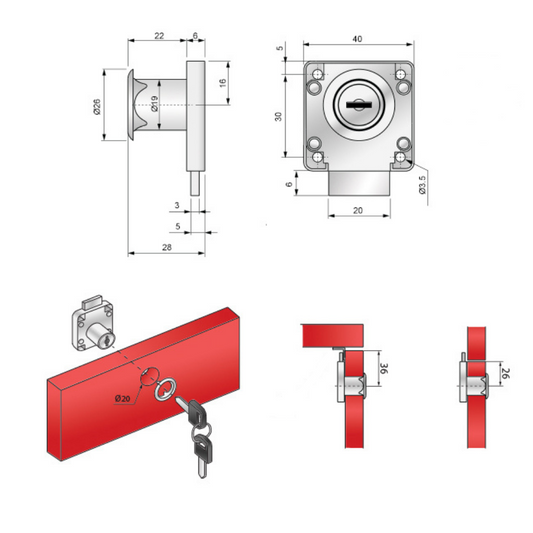
Surface-mounted cabinet locks are the classic solution for hinged doors and drawers. The lock body is screwed onto the inside of the door or drawer front, while the cylinder projects through a precise bore hole to the outside. A standard model for this application is theSquare Cabinet Lock with Key 3/4 in x 7/8 in (19x22 mm), Chrome. When operated, the bolt extends vertically or horizontally into a strike plate mounted on the cabinet frame or directly behind the frame edge. For thicker material, the longerSquare Cabinet Lock with Key 3/4 in x 1-1/2 in (19x38 mm), Chromeis used.
Central Cabinet Locks for Drawer Pedestals
A desk lock for mobile pedestals requires a different mechanism, as a single lock must secure multiple stacked drawers simultaneously. This is achieved using aCentral Lock Cylinder 3/4 in x 25/32 in (19x20 mm), Chrome. The lock is usually installed in the top drawer front or upper panel of the pedestal. Turning the key moves a rear-mounted aluminum locking bar up or down. Arrestor pins attached to this bar engage with the side drawer slides to block all drawers at once.
Electronic and Digital Lock Cylinders
With the digital transformation of modern office environments (shared desk concepts), keyless systems are rapidly gaining popularity. ALock Cylinder with Digital Keyreplaces the traditional mechanical wafer cylinder with an RFID or Bluetooth unit. Unlocking is activated via transponder cards, key fobs, or smartphones, triggering a small servo motor inside the housing to release the mechanical bolt.
Cam Locks and Push Locks
Push locks are commonly installed on sliding doors. Rather than turning a key, the cylinder is physically pressed into the housing to extend a pin into the rear sliding door. For lockers or steel furniture, cam cabinet locks are the standard choice. These do not feature a bulky lock box, but rather a single rear-mounted locking lever (cam) that rotates 90° behind the door frame.
Technical Specifications and Dimensions for Cabinet Locks
To select the correct cylindercabinet lock, installers must accurately determine two main dimensions: cylinder diameter and cylinder length.
Cylinder Diameter (Bore Hole)
The cylinder diameter determines the size of the required drill bit (typically a Forstner bit). The absolute standard dimension in cabinet making is3/4 in (19 mm). Nearly all common models, such as theCabinet Lock with Key 3/4 in x 5/8 in (19x16 mm), Chrome, rely on this diameter. For delicate applications or specialized restoration projects (such as a rim lock for antique cabinets), alternative sizes like theCabinet Lock 19/32 in x 29/32 in (15x23 mm)are available.
Cylinder Length (Material Thickness)
The cylinder length must strictly match the thickness of the furniture front. The cylinder should sit flush with the front or project slightly (approx. 0.04 in to 0.08 in (1.0 mm to 2.0 mm)) to allow mounting a decorative bezel or rosette. If the cylinder is too short, the key cannot be inserted fully; if it is too long, it creates an unsightly gap that compromises security. Common cylinder lengths for 3/4 in (19 mm) diameter locks include:
- 5/8 in (16 mm):Ideal for thin sheet metal or thin panel materials.
- 25/32 in / 7/8 in (20 mm / 22 mm):The standard size for 23/32 in and 3/4 in (18 mm and 19 mm) melamine-faced particleboard or MDF fronts (e.g., theSquare Cabinet Lock with Key 3/4 in x 7/8 in (19x22 mm), Nickel).
- 1 in (25 mm):Designed for thicker fronts or doubled-up panel materials, such as theCabinet Lock with Key 3/4 in x 1 in (19x25 mm), Chrome.
- 1-3/16 in (30 mm) and longer:For heavy-duty builds or solid wood doors, such as theCabinet Lock with Key 3/4 in x 1-3/16 in (19x30 mm), Chrome.
For projects involving varying panel thicknesses, anAdjustable Cabinet Lock 7/8 in x 13/16 in (22x21 mm)offers additional installation flexibility.
Keying Systems for Cabinet Locks: Keyed Different vs. Keyed Alike
Keying logic is a crucial decision factor when planning commercial installations (offices, medical practices, schools).
Keyed Different Cabinet Locks:In this setup, every lock has an individual key pattern. The key for Desk A will not open Desk B. This is the standard choice for residential furniture or individual workstations storing personal documents.
Keyed Alike Cabinet Locks:With this option, all cabinet locks in a production batch are built with identical cylinder cores. A single key opens every lock in the system—ideal for filing cabinets in shared archives or multi-unit living room wall cabinets. Popular products include theCabinet Lock 3/4 in x 7/8 in (19x22 mm), Keyed Alike Version, Nickeland theSquare Cabinet Lock with Key, Keyed Alike Version, Chrome.
For extra convenience in busy office settings, models featuring folding keys—such as theSquare Cabinet Lock with Key 3/4 in x 7/8 in (19x22 mm) Folding Key, Chrome—prevent accidental injuries or snapped keys if bumped while inserted.
Professional Installation of Cabinet Locks
Installing a mortise or surface-mountedcabinet lockrequires precise alignment. An inaccurately drilled cylinder hole leads to misaligned locking bolts and sticking doors.
- Determine the Backset:The backset is the distance from the center of the cylinder to the outer edge of the lock body (where the bolt extends). Mark this measurement accurately on the door to locate the center of the hole.
- Check Door Handing:Before drilling, verify whether the door is left-handed or right-handed. While some locks feature universal handing, others—like theCabinet Lock Left/Right 7/8 in x 13/16 in (22x21 mm)—are manufactured specifically for left or right orientation.
- Drill the Bore Hole:For a 3/4 in (19 mm) cylinder, use a 3/4 in (19 mm) Forstner bit. To prevent tear-out on decorative veneers or laminated panels, apply light pressure and clamp a scrap wood block tightly against the back of the panel.
- Mount the Lock Body:Insert the cylinder through the hole from the inside. Align the lock body perfectly parallel to the door edge (using a square) and secure it with suitable wood screws (typically 0.12 in or 0.14 in (3.0 mm or 3.5 mm) countersunk screws, PZ or TX drive).
- Install the Strike Plate:Finally, mount the strike plate on the cabinet frame. Ensure the bolt extends smoothly into the strike cutout without friction, leaving an ideal reveal gap of approx. 0.08 in (2.0 mm) between the door and frame.
Maintenance and Care of Cabinet Locks
In everyday use, cylindercabinet locksare exposed to ambient dust and fine debris. If an office lock starts sticking, never spray standard penetrating oil or grease into the cylinder core. Oil causes dust particles to stick to the delicate internal wafers, ultimately clogging the mechanism. For routine maintenance of mechanical lock cylinders, use only dry graphite powder or a dedicated oil-free lock spray. The locking bolt itself can be lubricated with a single drop of resin-free oil at the housing exit if needed.
---
FAQ – Frequently Asked Questions About Cylinder Cabinet Locks
How do I select the right cylinder length for my cabinet lock?
Measure the exact material thickness of the door or drawer front. The cylinder length should match this thickness or project by a maximum of 0.04 in to 0.08 in (1.0 mm to 2.0 mm). For a 3/4 in (19 mm) thick particleboard front, choose a cylinder length of 25/32 in (20 mm) or 7/8 in (22 mm).
What is the difference between a surface-mounted lock and a mortise lock?
A surface-mounted cabinet lock (rim lock) is screwed directly onto the inside face of the door; only the cylinder barrel shows on the outside. A mortise lock, by contrast, is installed into a pocket routed directly into the edge of the door (similar to standard architectural interior door locks), making it virtually invisible when closed.
Can I replace a cylinder lock on a steel cabinet or locker?
Yes, steel cabinets, lockers, and mailboxes usually utilize standardized cam locks. You simply need to measure the hole diameter in the sheet metal (commonly 3/4 in or 7/8 in (19 mm or 22 mm)) and the length of the locking cam. The lock body is secured to the metal sheet from the back using a large hex nut or retaining clip.
How does a central cabinet lock work for multi-drawer pedestals?
Central cabinet locks utilize an eccentric cam rather than a standard deadbolt. As the key turns, the cam lifts or lowers a vertical aluminum locking bar running inside the cabinet frame. Pins mounted on this bar engage or disengage with the side slides, locking or releasing all drawers simultaneously.
Are cabinet locks secure against forced break-ins?
Standard cylinder cabinet locks provide dependable basic protection against unauthorized access in homes and offices (e.g., childproofing, securing private personnel files). However, they are not intended to match high-security exterior door deadbolts. Under heavy force with a crowbar, the surrounding wood paneling will usually fail before the metal lock mechanism breaks.
What does "keyed alike" mean?
"Keyed alike" describes locks manufactured to operate with identical keys. If you outfit five office pedestals with "keyed alike" cabinet locks, a single master key will open all five units. This drastically reduces key clutter on your key ring and simplifies office asset management.
What tools do I need to retrofit a cabinet lock?
To install a cabinet lock into wood or composite panels, you will need a cordless drill/driver, a Forstner bit (typically 3/4 in (19 mm) diameter for the cylinder barrel), a small pilot drill bit (0.08 in or 0.12 in (2.0 mm or 3.0 mm) for screw holes), a square for alignment, and a matching screwdriver bit (PZ or TX).