
1-1/4 Inch Cabinet Pulls
Popular Subcategories
-
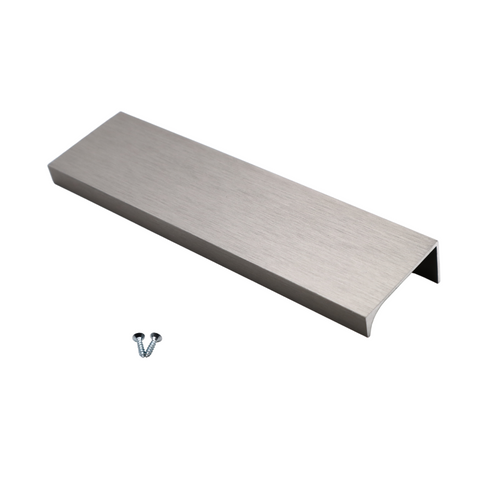
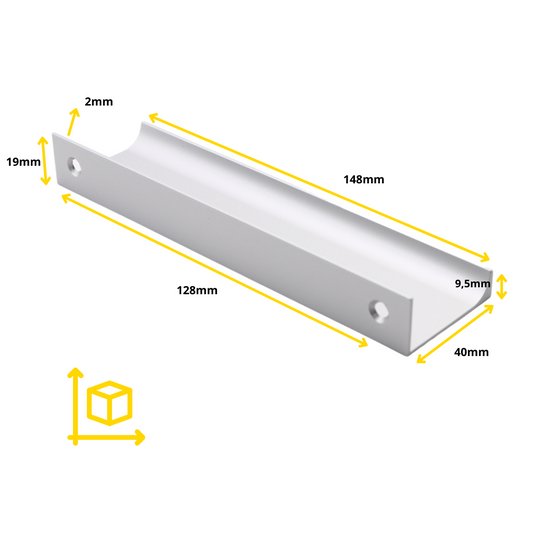
Edge Grip Profile Handle, Aluminum, HC 1-1/4, 3-3/4, 5-1/16 inchRegular price From $2.23Unit price / perRegular priceSale price From $2.23
-
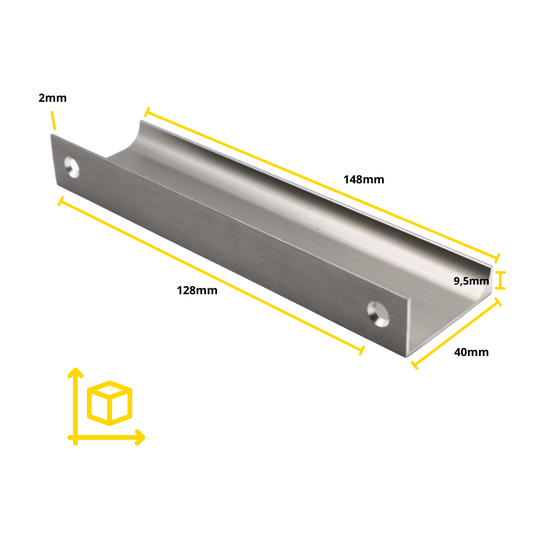
Edge Grip Profile Handle, Brushed Steel, HC 1-1/4, 3-3/4, 5-1/16 inchRegular price From $2.74Unit price / perRegular priceSale price From $2.74
-
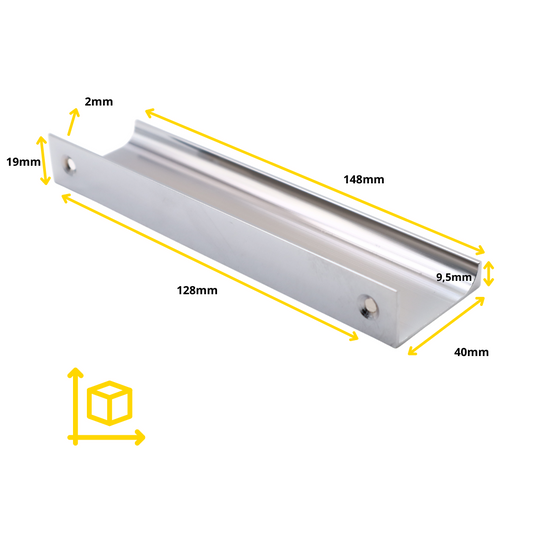
Edge Grip Profile Handle, Chrome, HC 1-1/4, 3-3/4, 5-1/16 inchRegular price From $2.98Unit price / perRegular priceSale price From $2.98
-
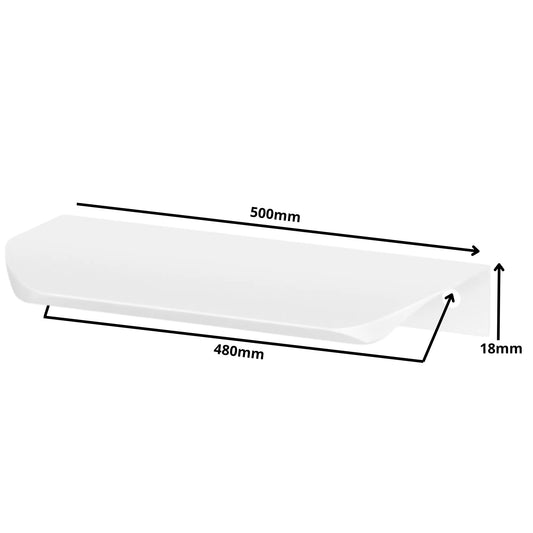
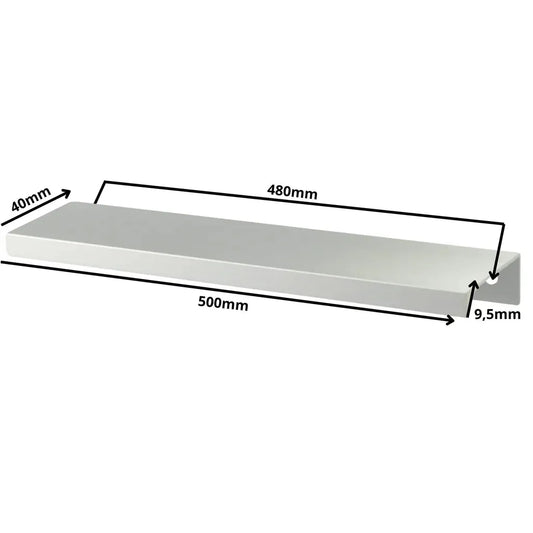
Rounded Edge Profile Cabinet Handle 18-7/8 inch (480 mm) Center-to-Center (19-11/16 inch / 500 mm Overall Length) - WhiteRegular price $9.62Unit price / perRegular priceSale price $9.62
-
Edge Grip Profile Handle, Gold, HC 1-1/4 inchRegular price $2.98Unit price / perRegular priceSale price $2.98
-
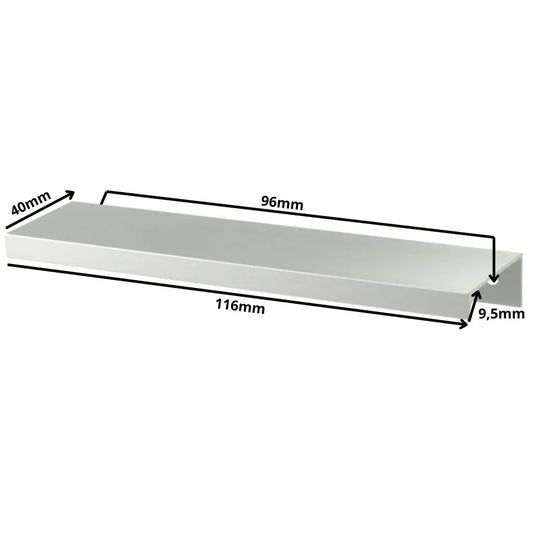
Edge Grip Round Profile Handle 3.75 inch (96 mm) (4-9/16 inch / 116 mm Overall Length) - ElectropolishedRegular price $3.75Unit price / perRegular priceSale price $3.75
-
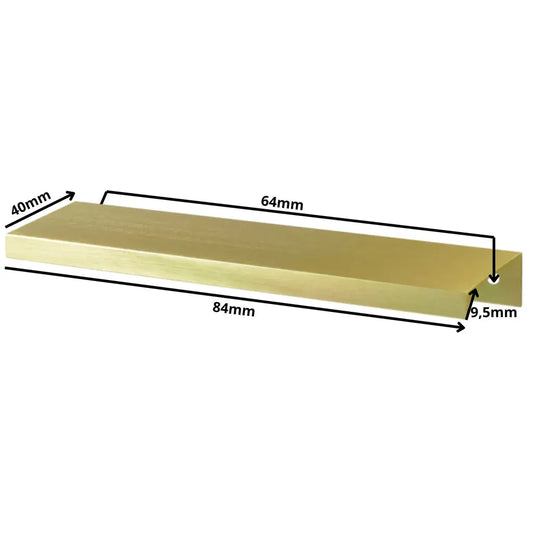
Edge Grip Round Profile Cabinet Pull 2-1/2 inch (64 mm) (3-5/16 inch (84 mm) Overall Length) - GoldRegular price $1.80Unit price / perRegular priceSale price $1.80
-
Edge Grip Round Profile Cabinet Handle 2-1/2 inch / 64 mm (3-5/16 inch / 84 mm Overall Length) - ElectropolishedRegular price $3.07Unit price / perRegular priceSale price $3.07
-
Edge Grip Round Profile Cabinet Handle 2-1/2 inch (64 mm) (3-5/16 inch / 84 mm Overall Length) - Matte BlackRegular price $2.25Unit price / perRegular priceSale price $2.25
-
Edge Grip Round Profile Cabinet Handle 2-1/2 inch (64 mm) (3-5/16 inch (84 mm) Overall Length) - WhiteRegular price $2.33Unit price / perRegular priceSale price $2.33
-
Edge Grip Round Profile Cabinet Handle 2-1/2 inch (64 mm) (3-5/16 inch (84 mm) Overall Length) - Brushed Stainless Steel FinishRegular price $2.33Unit price / perRegular priceSale price $2.33
-
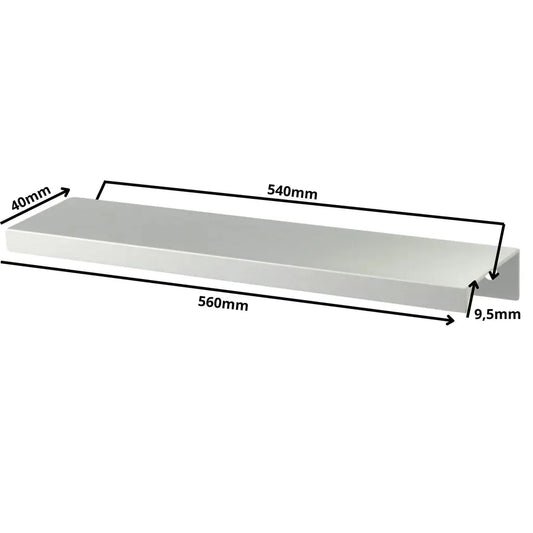
Edge Grip Round Profile Handle 21-1/4 inch (540 mm) (22-1/16 inch (560 mm) Overall Length) - ElectropolishedRegular price $15.50Unit price / perRegular priceSale price $15.50
-
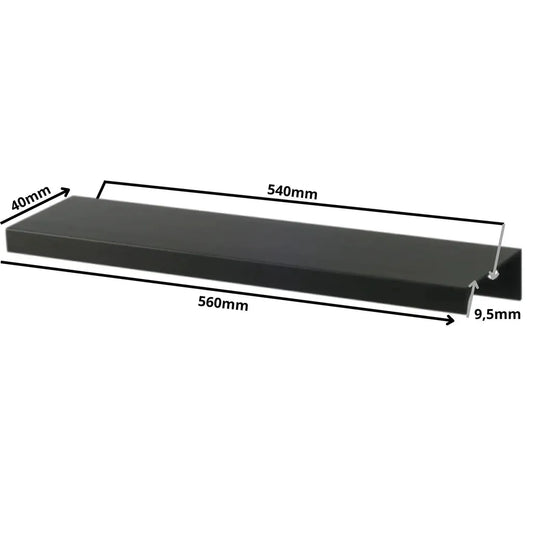
Edge Grip Round Profile Handle 21-1/4 inch (540 mm) (22-1/16 inch / 560 mm Overall Length) - Matte BlackRegular price $9.69Unit price / perRegular priceSale price $9.69
-
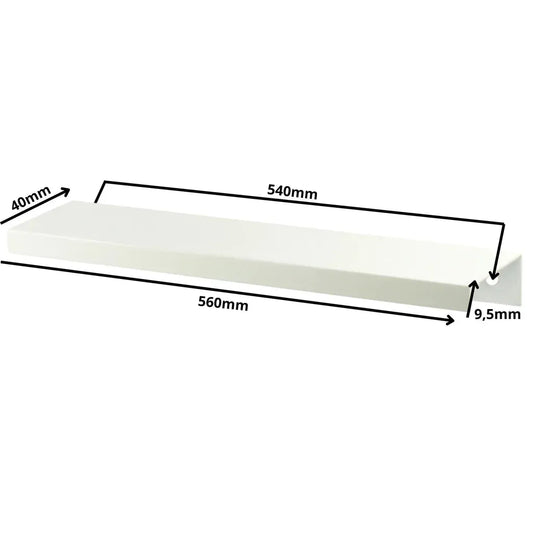
Edge Grip Round Profile Pull 21-1/4 inch (540 mm) (22-1/16 inch (560 mm) Overall Length) - WhiteRegular price $10.07Unit price / perRegular priceSale price $10.07
-
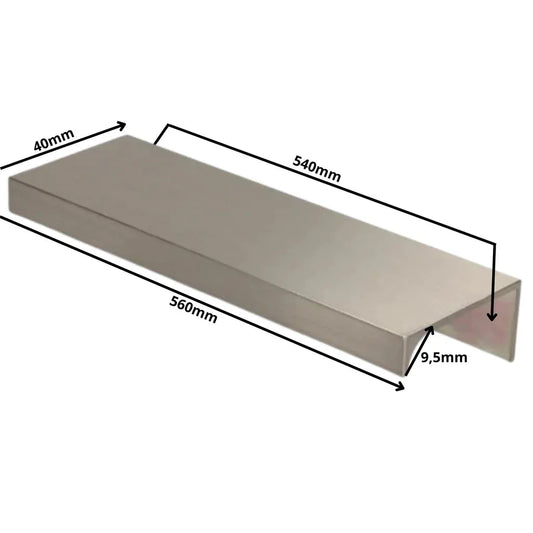
Edge Grip Round Profile Handle 21-1/4 inch (540 mm) Center-to-Center (22 inch (560 mm) Overall Length) - Brushed Stainless Steel LookRegular price $8.77Unit price / perRegular priceSale price $8.77
-
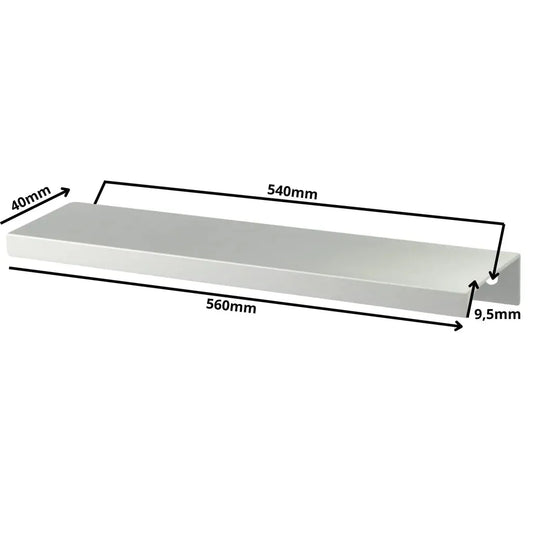
Edge Grip Round Profile Handle 21-1/4 inch / 540 mm (22-1/16 inch / 560 mm Overall Length) - AluminumRegular price $8.77Unit price / perRegular priceSale price $8.77
-
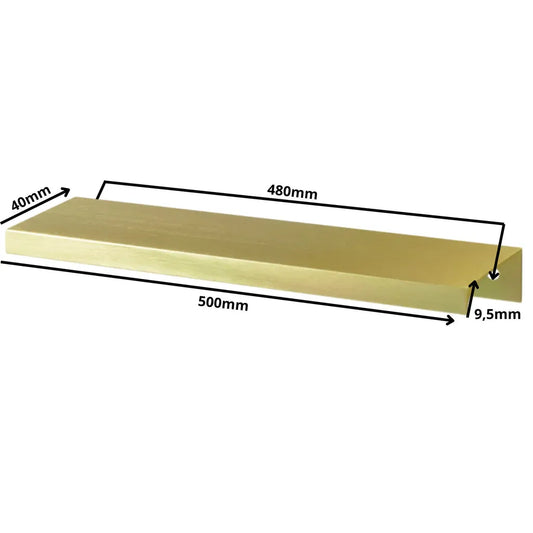
Edge Grip Round Profile Edge Pull 18-7/8 inch (480 mm) (19-11/16 inch / 500 mm Overall Length) - GoldRegular price $8.09Unit price / perRegular priceSale price $8.09
-
Edge Grip Round Profile Handle 18-7/8 inch (480 mm) C-C (19-11/16 inch / 500 mm Overall Length) - ElectropolishedRegular price $13.80Unit price / perRegular priceSale price $13.80
-
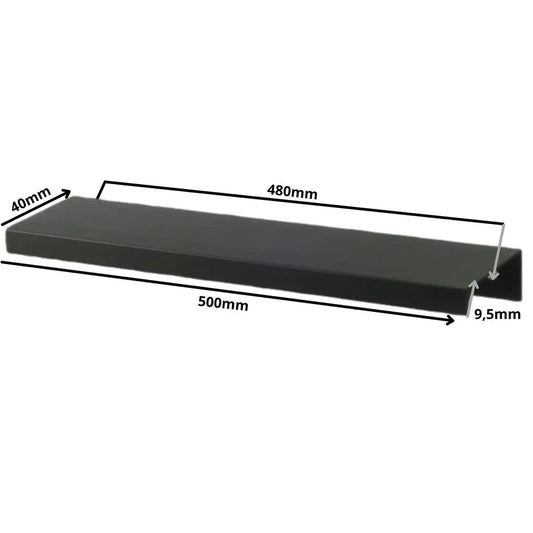
Edge Grip Round Profile Handle 18-7/8 inch (480 mm) (19-11/16 inch (500 mm) Overall Length) - Matte BlackRegular price $8.62Unit price / perRegular priceSale price $8.62
-
Edge Grip Round Profile Handle 18-7/8 inch (480 mm) Hole Center (19-11/16 inch (500 mm) Overall Length) - WhiteRegular price $8.95Unit price / perRegular priceSale price $8.95
-
Edge Grip Round Profile Handle 18-7/8 inch (480 mm) Hole Centers (19-11/16 inch (500 mm) Overall Length) - Brushed Stainless Steel LookRegular price $7.78Unit price / perRegular priceSale price $7.78








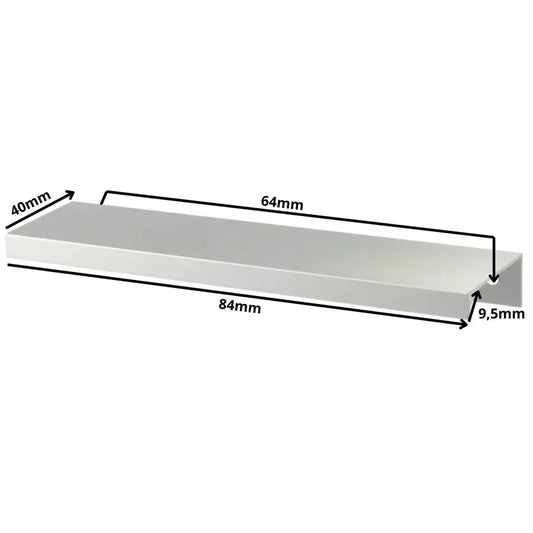

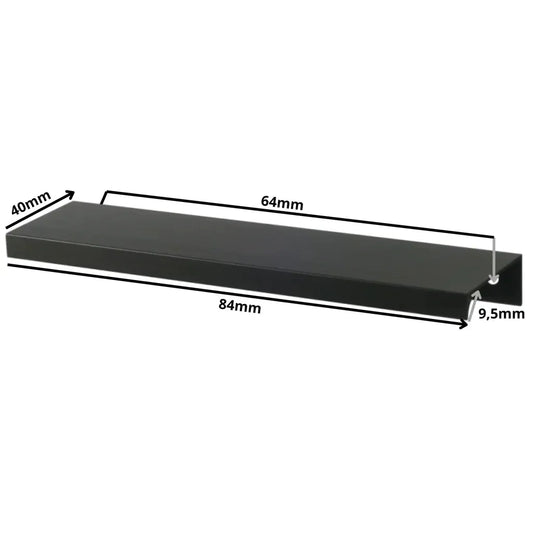

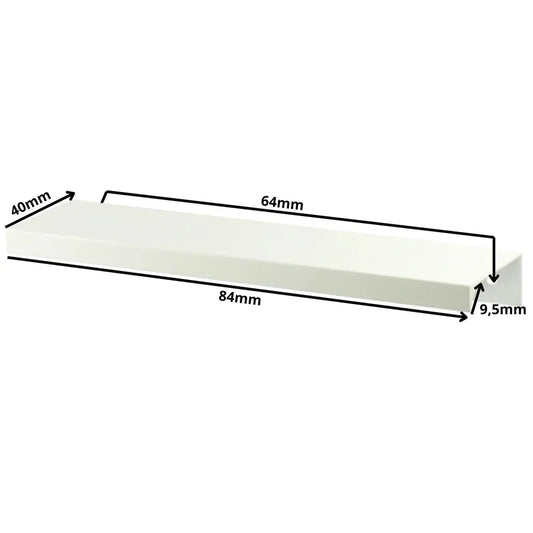

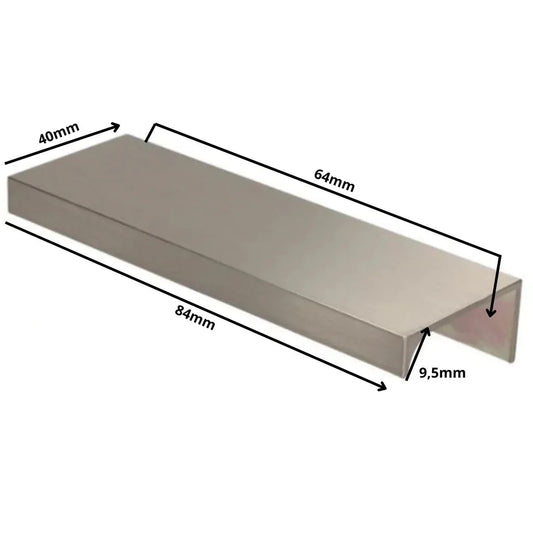









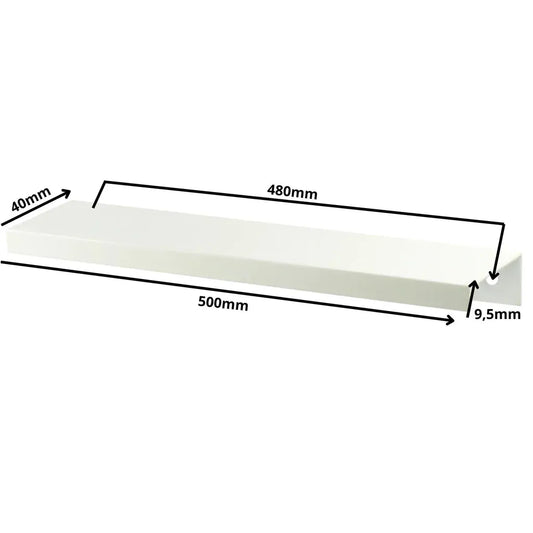

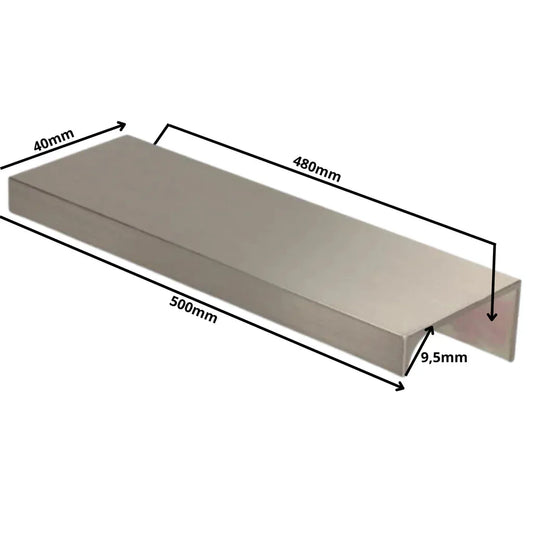
1-1/4 inch cabinet pulls(32 mm center-to-center) are hardware fittings for cabinet doors and drawers with hole spacing measuring exactly 1-1/4 in (32 mm) apart, based on the standardized 32 mm system in cabinetmaking.
Hole spacing, technically known ascenter-to-center (C-C) distance, is the decisive measurement when selecting cabinet hardware. Spacing of 1-1/4 in (32 mm) represents the smallest common standard dimension in modular grid sizing. These compact handles are primarily used on narrow drawers, pull-out spice racks, small lift-up doors, or as sleekedge pulls. For woodworkers, installers, and experienced DIYers, the 1-1/4 in (32 mm) dimension provides a reliable constant when planning and installing cabinet fronts.
System 32: The Technical Origin of Hole Spacing
To understand why cabinet pulls feature hole spacing of exactly 1-1/4 in (32 mm) (rather than 1-3/16 in (30 mm) or 1-3/8 in (35 mm)), one must look at industrial furniture manufacturing.System 32is an international standard in cabinet construction that defines the spacing for rows of drilled holes in cabinet carcasses. System 32 acts as grid paper for cabinetmakers—an invisible framework ensuring that hinges, shelf supports, drawer slides, andmetal cabinet handlesfit together precisely across different manufacturers.
The 1-1/4 in (32 mm) spacing historically derived from the spindle distance on multi-spindle drilling machines. All larger standardized hole spacings for cabinet hardware are multiples of this value. Thus, 1-1/4 in (32 mm) is followed by 2-1/2 in (64 mm),3-3/4 inch cabinet pulls (96 mm), and5-1/16 inch cabinet pulls (128 mm). When installing 1-1/4 inch cabinet pulls, you are working directly within the foundational grid of modern cabinet manufacturing.
Technical Distinction: Center-to-Center vs. Overall Length
A common mistake in hardware planning is confusing center-to-center distance with the overall length of the pull. On 1-1/4 inch cabinet pulls, only the center points of the two threaded screw holes are positioned exactly 1-1/4 in (32 mm) apart.
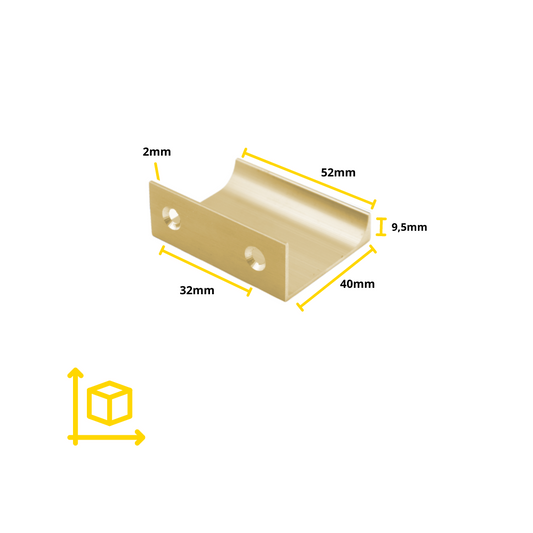
Theoverall lengthof the pull is typically larger, especially with profile pulls and edge finger pulls. A typical edge pull with 1-1/4 in (32 mm) center-to-center spacing often features an overall length of 2-1/16 in (52 mm). The overhang on each side (approx. 3/8 in (10 mm) per end) adds aesthetic appeal and ergonomic grip, completely covering the drill holes while offering sufficient finger leverage.
Notice: Measurement Unit Confusions (mm vs. cm / Imperial Conversion)
In practice, measurement units are frequently mixed up. Search queries for "32 cm pull spacing" usually refer to long handles with a length of 12-5/8 in (320 mm). A pull with 1-1/4 in (32 mm) hole spacing equals exactly 3.2 cm. Before replacing existing handles, measure the distance from hole center to hole center using a caliper or precise tape measure to prevent ordering incorrect sizes.
Edge Pulls and Profile Handles in the 32 mm Grid
In the category of 1-1/4 inch cabinet pulls,edge pullsandprofile handlesare the dominant design choices. These pulls are not face-mounted on the front surface of the door or drawer, but are mounted over the top or side edge of the cabinet front.
This design requires specific installation: the pull is screwed into the back side of the front panel. The profile material (typically aluminum or sheet steel) wraps around the door edge. The material thickness in the mounting overlay area is typically 1/16 in to 5/64 in (1.5 mm to 2.0 mm). This must be taken into account when calculatingreveal gaps. A clearance gap of at least 3/32 in to 1/8 in (2.5 mm to 3.0 mm) is required between the door and carcass—or between stacked drawers—to keep the front from rubbing against the cabinet when closing.
Some models feature avariable hole pattern, meaning the profile pull includes multiple pre-drilled holes on the back (e.g., C-C 1-1/4 in / 3-3/4 in / 5-1/16 in (32/96/128 mm)). This allows installers to adapt the pull to existing holes or select the structurally optimal screw location on new installations.
Materials and Finishes for Various Interior Concepts
The choice of material and coating affects not only resistance to wear and moisture, but also determines how seamlessly the pull integrates into the furniture design.
Stainless Steel and Brushed Steel
For high-use areas,stainless steel cabinet pullsare the most durable choice. The alloy offers high corrosion resistance and withstands hand sweat and cleaning agents. 1-1/4 inch cabinet pulls made of stainless steel are ideal for high-humidity environments (bathrooms) or as functionalkitchen cabinet handles. Brushed finishes effectively hide fingerprints.
Anodized Aluminum
Aluminum cabinet handlesstand out for their lightweight construction, making them advantageous for lightweight lift-up doors supported by gas struts. Anodizing hardens the surface and protects against oxidation. Aluminum extrudes with extreme precision, enabling the production of edge pulls with crisp 90° angles.
Powder-Coated Surfaces (Matte Black / White)
Modern cabinetry frequently incorporatesmatte black cabinet pulls. High-temperature baked powder coatings create an impact-resistant, uniform surface. Black edge pulls mounted on light cabinet fronts (such as oak finishes or white melamine coatings) create a striking modern contrast. Alternatively, white pulls on white fronts integrate seamlessly for an ultra-minimalist, handleless look.
Electroplated Finishes (Gold / Chrome)
Electroplating deposits metallic coatings, creating finishes likegold cabinet hardware. A micro-thin yet exceptionally hard layer is applied over the base metal. These pulls are popular choices for living rooms and bedrooms where mechanical wear is lower than in kitchens.
Installation: Tools and Techniques
Accurate installation of cabinet pulls requires precision. A deviation of just 1/32 in (1 mm) when drilling can cause M4 machine screws to bind, misalign, or strip the threads inside the handle.
1. Front-Mounted Pulls (Standard Handles / Two-Hole Pulls)
For pulls mounted directly to the front face, use a brad-point wood drill bit.
- Drill Bit Diameter:3/16 in (4 mm or 5 mm). A 3/16 in (5 mm) hole leaves slight clearance to absorb minor measurement tolerances, while standard M4 truss head screw heads (typically 5/16 in (8 mm) wide) completely cover the hole.
- Screws:Cabinet pulls are standardly mounted with metricM4 machine screws. Screw length depends on the thickness of the cabinet front. For a standard 3/4 in (19 mm) panel, a screw length of 7/8 in to 1 in (22 mm to 25 mm) is required.
- Technique:Mark drill holes precisely at 1-1/4 in (32 mm) center-to-center. Use a drilling template or jig. To prevent tear-out on the back of the panel, clamp a sacrificial block of wood tightly against the rear surface while drilling through.
2. Rear-Mounted Edge Pulls
1-1/4 inch cabinet pulls designed as edge profiles do not require through-holes. They slip over the door edge and mount from the back directly into the wood.
- Screws:Instead of metric machine screws, use short countersunkwood screws. Common sizes are #4 x 5/8 in (3.0 x 15 mm) or #6 x 5/8 in (3.5 x 16 mm) (usually Phillips or Torx drive).
- Technique:Press the pull firmly onto the panel edge. Fasten the screws through the pre-punched holes in the pull into the rear face of the front. For hard materials like MDF or solid hardwood, pre-drill pilot holes using a 5/64 in (2 mm) bit to a depth of roughly 3/8 in (10 mm) to prevent splitting the board.
Compatibility with Standard Cabinet Systems
Because System 32 is a global industry standard, 1-1/4 inch cabinet pulls fit universally on nearly all manufactured cabinet systems. If you are looking to replace existingIKEA cabinet handles, our models swap in seamlessly, provided the existing hole distance measures exactly 1-1/4 in (32 mm) center-to-center. Always measure existing hole spacing prior to replacement. If holes are already drilled, replacement hardware must match this measurement exactly, as drilled holes in laminated particle board cannot be invisibly filled.
Featured Products from This Category
To assist your selection process, here is an overview of selected 1-1/4 inch cabinet pulls from our collection:
- Edge Pull Handle 1-1/4 in (32 mm C-C, 2-1/16 in (52 mm) Overall) - Black:Compact aluminum edge pull with a matte black powder-coated finish. Ideal for narrow bathroom vanities or as discreet hardware on upper cabinets.
- Edge Pull Handle 1-1/4 in (32 mm C-C, 2-1/16 in (52 mm) Overall) - Brushed Stainless Steel:Stainless steel finish edition. Highly resistant to fingerprints, perfectly matching stainless steel kitchen appliances.
- Multi-Hole Edge Pull, Aluminum, C-C 1-1/4 in / 3-3/4 in / 5-1/16 in (32/96/128 mm):A profile handle featuring variable center-to-center mounting options at 1-1/4 in (32 mm), 3-3/4 in (96 mm), and 5-1/16 in (128 mm). Provides maximum flexibility when retrofitting existing drill patterns.
- Rounded Edge Pull Handle 1-1/4 in (32 mm C-C, 2-1/16 in (52 mm) Overall) - Matte Black:A rounded variation of the classic edge profile. Smoother edges minimize snagging risks while offering a comfortable grip for pulling heavier drawers.
- Edge Pull Handle 1-1/4 in (32 mm C-C, 2-1/16 in (52 mm) Overall) - White:Powder-coated white pull that visually blends into high-gloss or matte white fronts to create a sleek, handleless aesthetic.
Frequently Asked Questions (FAQ)
What drill bit size do I need for 1-1/4 inch cabinet pulls?For front-to-back through-holes using metric M4 screws, use a 3/16 in (4 mm or 5 mm) brad-point wood drill bit. The 5 mm size offers forgiving play during positioning while keeping the screw head fully covered.
Are 1-1/4 inch cabinet pulls suitable for heavy drawers?Pulling force on 1-1/4 in (32 mm) pulls is concentrated over a narrow surface area. For smooth-running drawers on ball-bearing or undermount slides, this is not an issue. For wide, heavy-duty deep drawers (such as 88 lbs (40 kg) pot drawers in kitchens), we recommend wider pulls starting at 6-5/16 in (160 mm) to distribute pull force evenly across the panel and prevent drawer binding.
How do I clean anodized or powder-coated cabinet pulls?Clean using exclusively a soft, damp microfiber cloth and mild dish soap. Avoid harsh abrasive pads, solvent-based cleaners, or stiff sponges, as they permanently scratch powder coatings and anodized finishes.
What does the specification "C-C 32/96/128 mm" mean?This designation means the pull features multiple pre-drilled mounting options. You can insert mounting screws at 1-1/4 in (32 mm), 3-3/4 in (96 mm), or 5-1/16 in (128 mm) spacing. This offers major technical advantages when replacing older hardware and reusing pre-existing holes.
Will these pulls fit standard manufactured kitchen cabinets?Yes. Because cabinet manufacturers globally utilize System 32 hole spacing for carcasses and fronts, these pulls feature cross-brand compatibility. Simply verify that your current front panel holes measure exactly 1-1/4 in (32 mm) center-to-center.