
Drawer locks
Popular Subcategories
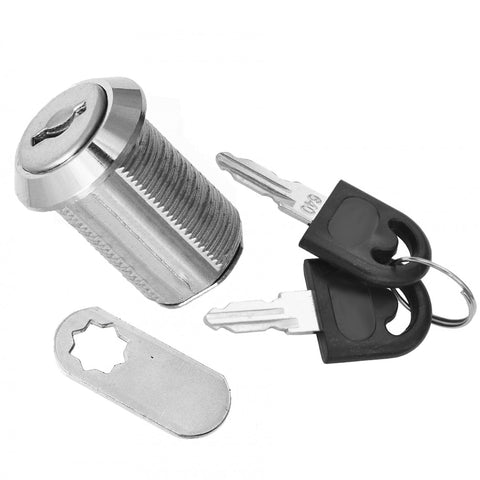
-
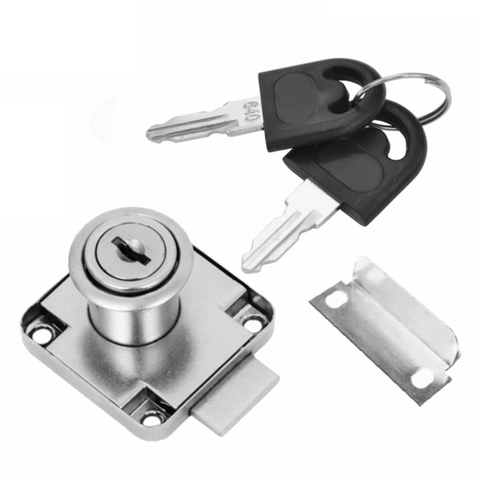
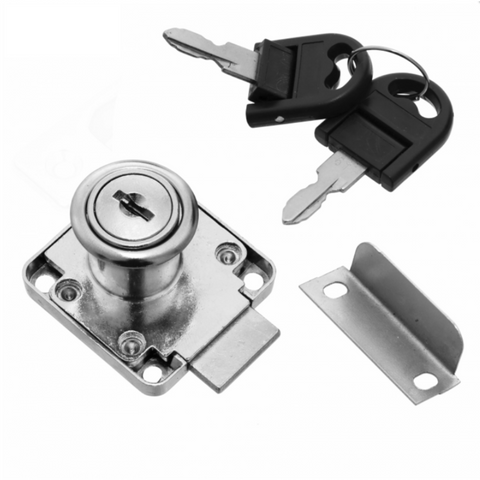
Square Furniture Lock 3/4x7/8 inch , ChromeRegular price $1.81Unit price / perRegular priceSale price $1.81
-
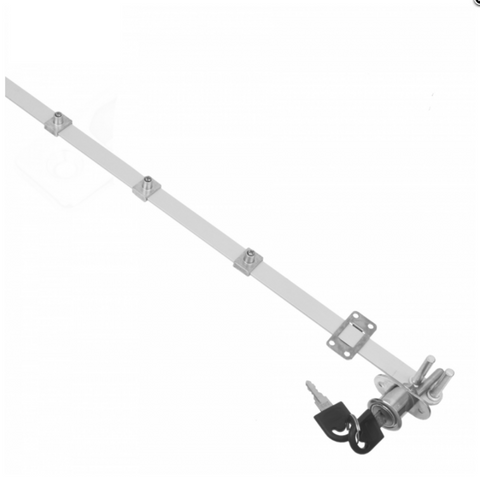
Rotatable Bar Lock 3/4x7/8 inch , 2 Bars L-39-3/8 inch, NickelRegular price $20.54Unit price / perRegular priceSale price $20.54
-
Central Lock Cylinder 3/4x13/16 inch, ChromeRegular price $1.88Unit price / perRegular priceSale price $1.88
-
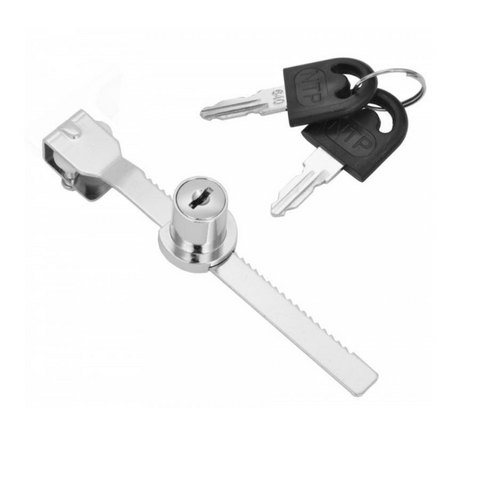
Cabinet Lock for Slidable Doors 3/4x15/16 inch, ChromeRegular price $1.84Unit price / perRegular priceSale price $1.84
-
Cabinet Lock with Straight Cam Plate 3/4x1-3/16 inch, ChromeRegular price $1.72Unit price / perRegular priceSale price $1.72
-
Cabinet Lock with Straight Cam Plate 3/4x1 inch, ChromeRegular price $1.63Unit price / perRegular priceSale price $1.63
-
Cabinet Lock with Straight Cam Plate 3/4x13/16 inch, ChromeRegular price $1.68Unit price / perRegular priceSale price $1.68
-
Square Lock, Blinds Shutter 3/4x7/8 inch , ChromeRegular price $2.09Unit price / perRegular priceSale price $2.09
-
Cabinet & Drawer Lock 19/32 x 29/32 inch (15x23 mm)Regular price $10.32Unit price / perRegular priceSale price $10.32
-
Cabinet & Drawer Lock 7/8 x 13/16 inch (22x21 mm)Regular price $12.19Unit price / perRegular priceSale price $12.19
-
Cabinet & Drawer Lock Left/Right Hand 7/8 x 13/16 inch (22 x 21 mm)Regular price $12.19Unit price / perRegular priceSale price $12.19
-
Square Furniture Lock 3/4x1-1/2 inch, ChromeRegular price $2.14Unit price / perRegular priceSale price $2.14
-
Adjustable Cabinet & Drawer Lock 7/8 inch x 13/16 inch (22x21 mm)Regular price $15.01Unit price / perRegular priceSale price $15.01
-
Furniture Latch Lock 3/4x7/8 inch , ChromeRegular price $2.10Unit price / perRegular priceSale price $2.10
-
Furniture Lock 3/4x7/8 inch , Identical Key Version, NickelRegular price $3.53Unit price / perRegular priceSale price $3.53
-
Square Furniture Lock 3/4x7/8 inch , Folding Key, ChromeRegular price $2.05Unit price / perRegular priceSale price $2.05
-
Square Furniture Lock 3/4x7/8 inch , Identical Key Version, ChromeRegular price $5.54Unit price / perRegular priceSale price $5.54
-
Cabinet Lock with Hook Cam Plate 3/4x13/16 inch, ChromeRegular price $1.56Unit price / perRegular priceSale price $1.56
-
Cabinet Lock with Straight Cam Plate 3/4x5/8 inch, ChromeRegular price $1.50Unit price / perRegular priceSale price $1.50


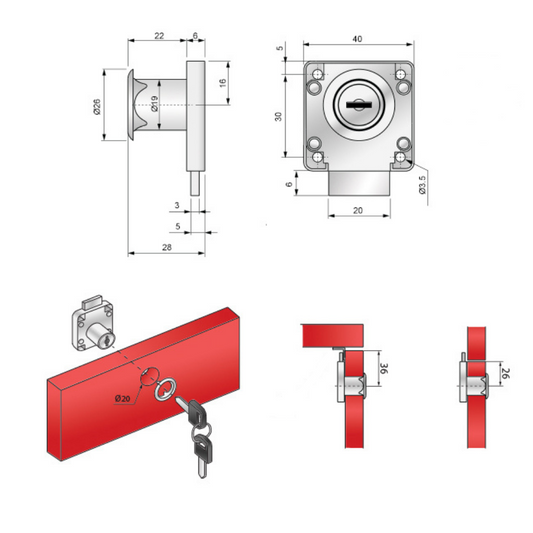


A drawer lock is a mechanical locking mechanism integrated into the front or side of a drawer unit to prevent unauthorized access to its contents.
In professional cabinetmaking, interior fitting, and retrofitting workshop or office furniture, heavy-dutydrawer locksare a central component of mechanical security. Selecting the right hardware requires precise knowledge of front panel thicknesses, bore hole diameters, and the kinematic properties of the locking mechanism. This technical guide is designed for cabinetmakers, installers, and experienced trade professionals who need to properly plan, select, and install furnituredrawer locks.
Design Principle and Mechanics
A classicdrawer lockrelies typically on a disc tumbler or pin tumbler cylinder. Inserting and turning the matching key aligns the spring-loaded tumblers inside the cylinder core to the precise shear line, releasing the core to rotate freely.
This rotational movement is transferred directly to the rear-mounted cam (latch lever). With a rotation of usually90°or180°, this cam engages behind a strike plate attached to the cabinet body, into a routed groove, or directly behind the frame rail. This locking mechanism physically blocks the drawer from being pulled open. The lock housing, usually manufactured from robust die-cast zinc, is securely screwed to the drawer front panel to withstand leveraging forces.
Technical Specifications and Cylinder Dimensions
Lock compatibility with a specific piece of furniture depends primarily on two measurements: the cylinder diameter (bore hole) and the cylinder length.
Cylinder Diameter (Bore Hole Ø)
The standard cylinder bore hole diameter in cabinetmaking is3/4 in (19 mm). Some heavy-duty or specialized models require a7/8 in (22 mm)bore hole. Drilling this hole accurately requires a sharp Forstner bit or Brad point bit to prevent tear-out on the front surface, especially with melamine-faced particleboard.
Cylinder Length and Front Panel Thickness
The cylinder length defines the maximum material thickness of the drawer front panel into which the lock can be installed. The cylinder must fully penetrate the front panel so the cam can rotate freely at the rear. The cylinder length should exceed the panel thickness by roughly1/16 in to 1/8 in (1.5 mm - 3 mm)to provide adequate clearance for the locking action.
- For standard5/8 in (16 mm)thick particleboard, aFurniture Lock with Key 3/4 in x 5/8 in (19x16 mm), Chromeis ideal.
- For3/4 in (19 mm)thick front panels (common with MDF or veneered panels), use aFurniture Lock with Key 3/4 in x 25/32 in (19x20 mm), Chrome.
- For thicker material assemblies, such as solid wood drawers or doubled-up fronts, longer cylinders are required. Here, aFurniture Lock with Key 3/4 in x 1 in (19x25 mm), Chromeor aFurniture Lock with Key 3/4 in x 1-3/16 in (19x30 mm), Chromeis used.
- For extreme material thicknesses or custom builds, theSquare Furniture Lock with Key 3/4 in x 1-1/2 in (19x38 mm), Chromeis available.
- Ultra-compact installation conditions can be solved with theFurniture Lock 19/32 in x 29/32 in (15x23 mm).
Keying Systems: Keyed-Alike vs. Keyed-Different
When planning office fit-outs, medical facilities, or workshops with multiple drawer units, choosing the right keying system is critical for operational efficiency.
Keyed-Different Systems
By default,drawer locksare supplied keyed-different. This means each lock features an individual key code and can only be opened with its specific set of keys. This is the standard solution for residential use or where strict access control is required (e.g., pedestal desks for different employees). A typical example of this construction is theFurniture Lock 3/4 in x 7/8 in (19x22 mm), Chrome.
Keyed-Alike Systems (Identical Key Version)
A keyed-alike system functions like a master passkey—a single key opens all authorized locks without managing a cumbersome ring of keys. All locks in a batch are manufactured with identical cylinder cores, allowing one key to fit every lock in that series.
This drastically reduces administrative oversight in environments where one person needs access to multipledrawer locks(e.g., pharmacy cabinets, tool carts, teacher desks). Compatible hardware options include theSquare Furniture Lock with Key, Keyed-Alike Version, Chromeor theFurniture Lock 3/4 in x 7/8 in (19x22 mm), Keyed-Alike Version, Nickel.
Styles and Mounting Types
The geometry of the mounting plate determines structural stability and spatial requirements on the inside of the drawer.
Square and Rectangular Mounting Plates
Most cabinet locks feature a square or slightly rectangular mounting backplate. This shape provides exceptionally high torsional rigidity due to four corner mounting points. Turning the key exerts leverage; the wide footprint of the square plate distributes these forces effectively into the wood or composite substrate.
Left-Hand and Right-Hand Compatibility
The placement of the lock on the furniture unit determines the locking direction. A drawer lock is typically mounted centrally on the front panel, with the cam swinging upward behind the frame rail. However, if the lock is installed on the side of a door or narrow pull-out, directionality matters. Some models are fixed to a single orientation (left or right). For greater versatility, theLeft/Right Furniture Lock 7/8 in x 13/16 in (22x21 mm)allows the cam to adapt to either handing via reversible orientation or dual-sided mechanics. TheAdjustable Furniture Lock 7/8 in x 13/16 in (22x21 mm)also delivers increased installation flexibility.
Key Types: Rigid vs. Folding
An often overlooked ergonomic detail is the key design. In narrow walkways or low drawers, a rigid key protruding from the lock creates a tripping/snagging hazard and can snap off if bumped, ruining the cylinder. ASquare Furniture Lock with Key 3/4 in x 7/8 in (19x22 mm), Folding Key, Chromeoffers a major advantage here: the key handle folds down by90°after insertion so it sits flush against the panel front.
Surface Finishes: Chrome vs. Nickel
The core metal components of these locks are primarily zinc alloy. Electroplated outer coatings protect the substrate from corrosion while defining its visual appearance.
- Chrome (Chromium-Plated):Offers a high-gloss, extremely hard, and scratch-resistant surface. Chrome is highly reflective and frequently selected for modern offices, medical facilities, or high-gloss white cabinet fronts.
- Nickel (Nickel-Plated):Delivers a slightly warmer tone with a subtle satin or brushed finish. Nickel-plated models like theSquare Furniture Lock with Key 3/4 in x 7/8 in (19x22 mm), Nickelconceal fingerprints better and blend seamlessly with natural wood tones like oak or beech.
Proper Installation and Retrofitting
Retrofittingdrawer locksis a common service task. Accurate layout is critical, as a misdrilled hole permanently damages the drawer front.
Required Tools
- Cordless drill/driver
- Forstner bit (typically3/4 in (19 mm)or7/8 in (22 mm))
- Wood drill bit1/16 in or 1/8 in (2 mm or 3 mm)(for pilot holes)
- Cabinetmaker's square and pencil
- Phillips screwdriver (PZ or PH)
- Matching wood screws (e.g.,#4 x 5/8 in (3.0 x 15 mm)or#6 x 5/8 in (3.5 x 15 mm), depending on panel thickness)
Step-by-Step Installation Guide
- Mark the Position and Backset:The backset is the distance from the edge of the drawer front to the center of the cylinder. This measurement is determined by the lock design (distance from cylinder center to edge of the locking cam). Layout the center using a square and punch a light starting indent with an awl.
- Drill the Hole:Bore the cylinder hole using the Forstner bit. Important: To prevent surface blowout on the back side, clamp a piece of scrap wood firmly against the inside face of the front panel. Alternatively, drill only until the center spur of the bit barely breaks through the back, then flip the panel to finish drilling from the opposite side.
- Insert the Lock:Pass the cylinder through the bore hole from the inside of the drawer. If applicable, slide an accent bezel/escutcheon ring onto the cylinder face first to cover the edge of the hole cleanly.
- Align the Body:Square up the backplate so it is parallel to the top edge of the drawer. Misalignment will prevent the cam from engaging smoothly.
- Fasten Screws:Pre-drill mounting pilot holes approximately3/8 in (10 mm)deep using the1/16 in (2 mm)or1/8 in (3 mm)bit to prevent splitting the panel board. Secure the lock body with wood screws.
- Mount the Strike Plate:Close the drawer and turn the key to identify where the cam meets the cabinet body or frame rail. Install the strike plate or corner keeper at this location so the cam hooks behind it securely when locked.
Specific Application Areas
Locks for Office File Cabinets
Mobile pedestals and file cabinets often utilize gang lock or central locking systems. In these setups, the front-mounteddrawer lockactuates a vertical aluminum or steel locking bar (rotating or lifting bar) along the cabinet interior. Catch pins mounted to the bar simultaneously engage side tracks on all stacked drawers when turned, securing the entire cabinet with a single turn of the key.
Drawer Locks for Steel and Sheet Metal Cabinets
A standard wood-furniture lock cannot be installed directly into metal housing. Adrawer lockdesigned for metal or steel cabinets omits a square screw-on backplate, as wood screws cannot grip thin sheet metal (often only1/32 in to 1/16 in (0.8 mm - 1.2 mm)thick). Instead, these specialized locks feature external cylinder threads. They slide through a punched knockout in the metal and are secured from the inside using a large hex nut or heavy-duty mounting clip.
Child Safety vs. Theft Prevention
When searching for a childproof lock for drawers, note the technical distinction: mechanical metal cylinder locks in this category provide true anti-theft security against adult intrusion and require a key. For childproofing (preventing toddlers from opening drawers), internal plastic latches or magnetic safety catches are typically used, which require no front drilling. Heavy cylinder locks are often unnecessary for child safety alone in living areas, but are strongly recommended in workshops to lock away sharp tools or chemicals.
Maintenance and Care of Cylinder Locks
Mechanicaldrawer locksare virtually maintenance-free. However, after years of heavy use—especially in dusty workshop environments—the mechanism can become stiff. Never spray gummy oils or standard grease into key cylinders. These lubricants attract dust and wood chips, clogging the delicate tumbler pins inside and seizing the lock. Use fine graphite powder or non-greasy dry cylinder spray (PTFE-based) exclusively. A small spritz into the keyway, followed by inserting and turning the key several times, instantly restores smooth operation.
---
Frequently Asked Questions (FAQ)
How do I choose the correct cylinder length for my drawer lock?
Measure the exact thickness of your drawer front in inches or millimeters. Add roughly1/16 in to 1/8 in (2 mm to 3 mm)to this value. For standard5/8 in (16 mm)particleboard, a cylinder length of3/4 in or 25/32 in (19 mm or 20 mm)is ideal. The cylinder core must project slightly past the inside surface so the cam rotates without rubbing against the wood panel.
Can I retrofit a lock onto an existing drawer?
Yes, retrofitting is quick and straightforward on wood or composite furniture. You only need a Forstner bit matching your lock's cylinder diameter (typically3/4 in (19 mm)). Make sure to check inside the cabinet frame beforehand to verify there is enough clearance for the cam to rotate and engage the strike plate.
What does "keyed-alike" mean for furniture locks?
Keyed-alike (or "identical key version") means that all locks within a specified group share the exact same cylinder mechanism. A single key opens every drawer fitted with this model. This is especially convenient in offices or workshops to eliminate bulky key rings.
What drill bit is required to install drawer locks?
Always use a sharp Forstner bit or Brad point bit. Standard twist bits will tear or chip the wood or melamine surface laminate as they break through. The drill diameter is usually3/4 in (19 mm), or less commonly7/8 in (22 mm). Always verify the cylinder outer diameter before drilling.
Are there special locks for steel cabinets?
Yes. While locks for wooden furniture mount with a flat backplate and wood screws, a drawer lock for steel cabinets passes through a punched hole in the metal and locks into place from behind using a large threaded retaining nut or steel spring clip.
What is the difference between left-hand and right-hand cabinet locks?
This designation refers to mounting orientation when the lock is installed off-center. On a right-hand lock, the mechanism rotates to throw the latch cam toward the right side; a left-hand lock throws to the left. However, many modern models are reversible or designed so the cam can be flipped180°to fit either side.
How should I lubricate a sticky drawer lock?
Never use cooking oil, penetrating oil, or general-purpose lithium grease, as these cause fine pin tumblers to stick. Use dry graphite powder or dedicated dry PTFE lock spray only.
Frequently Asked Questions
Will these drawer locks work as replacements for my existing setup?
Yes, our drawer locks serve as excellent replacements for Häfele hardware and are fully compatible with IKEA furniture. Key specifications to verify are the cylinder diameter (typically 3/4 in (19 mm) or 5/8 in (16 mm)) and the backset measurement (distance from cylinder center to edge). Matching these dimensions ensures a quick, seamless swap.
What is the difference between keyed-alike and keyed-different drawer locks?
Keyed-alike means one master key opens multiple drawer locks across your space—ideal for office desk pedestals and multi-drawer units. Keyed-different means every lock features a unique key code. When installing multiple locks, following standard 1-1/4 in (32 mm) system hole spacing helps streamline placement and mounting.
How does a central locking system work across multiple drawers?
A central locking system secures all drawers in a cabinet simultaneously via a side-mounted vertical lock bar. This system works well with Hettich pedestal drawers or as a retrofitted alternative for Blum hardware. For accurate installation, measure the clear internal cabinet height and pin spacing to confirm bar length.
What wood panel thicknesses are these furniture locks compatible with?
Our standard drawer locks accommodate front panel thicknesses from 5/8 in to 3/4 in (16 mm to 19 mm). Thicker solid wood or composite fronts require models with longer cylinders (such as 7/8 in or 1-1/4 in (22 mm or 32 mm)). Always check your exact panel thickness before drilling the cylinder bore hole (commonly 3/4 in (19 mm)).
Can I upgrade from a mechanical drawer lock to an electronic RFID lock?
Yes, converting from mechanical locks to keyless RFID electronic options is straightforward. RFID units mount concealed inside behind the front panel, requiring the existing 3/4 in (19 mm) cylinder hole to be plugged. They provide a sleek keyless alternative; just ensure sufficient interior clearance for the battery housing.