
Metal Cabinet Pulls
Popular Subcategories
-
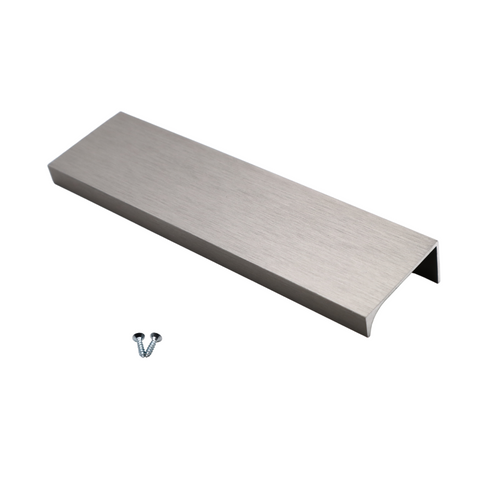
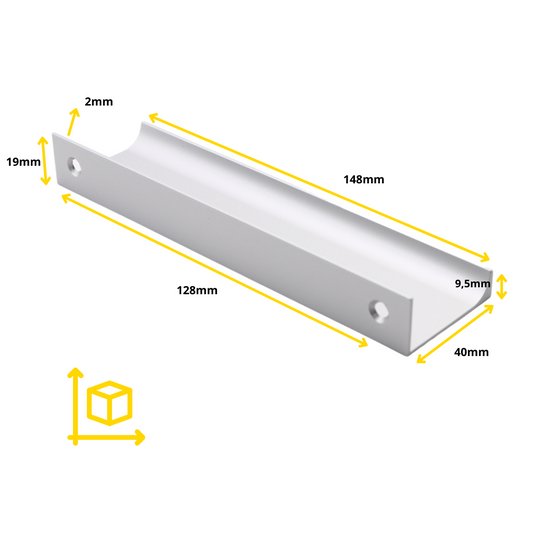
Edge Grip Profile Handle, Aluminum, HC 1-1/4, 3-3/4, 5-1/16 inchRegular price From $2.23Unit price / perRegular priceSale price From $2.23
-
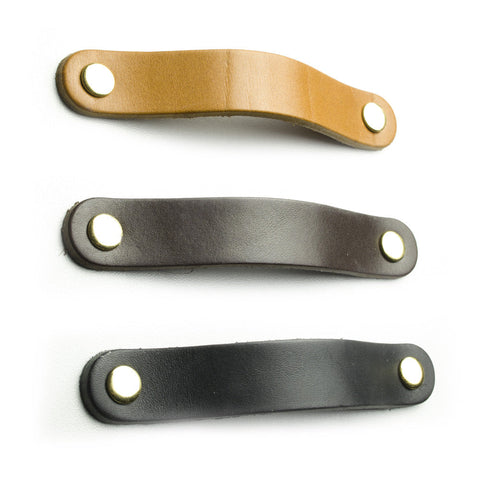
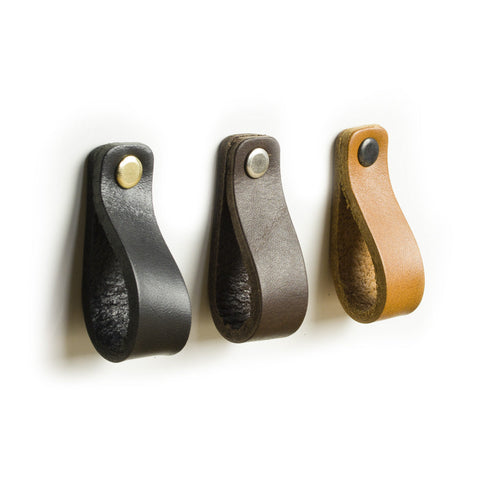
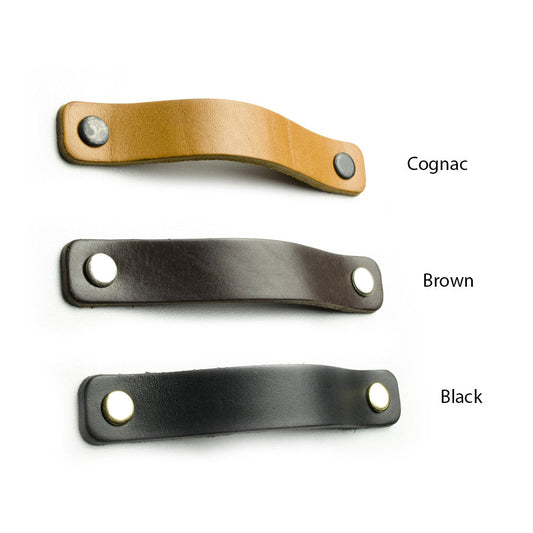
Leather handle rectangular 96mm - 160mmRegular price $9.80Unit price / perRegular priceSale price $9.80
-
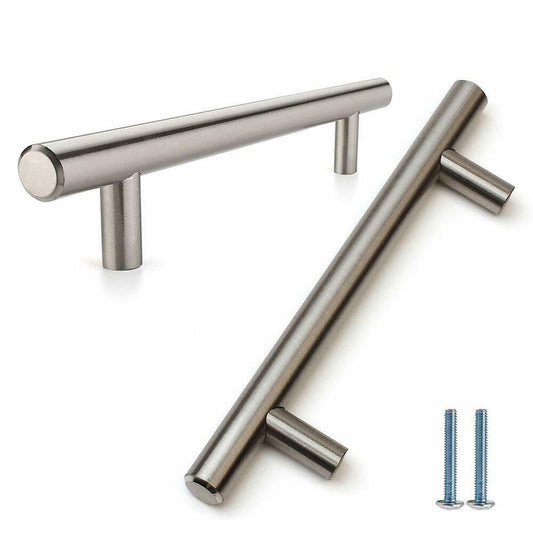
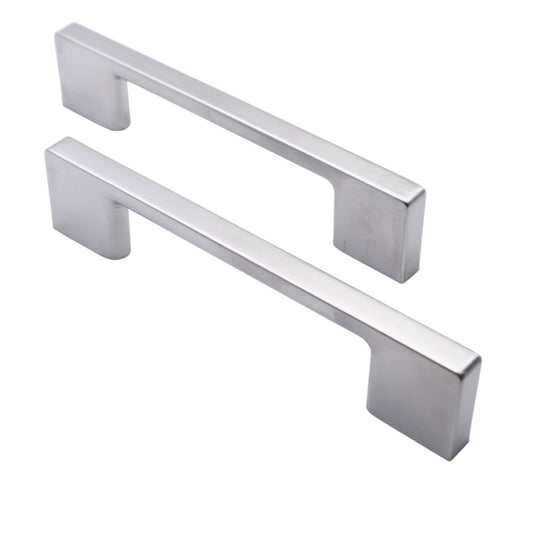
Pull handle brushed steel - 5-7/8 inchRegular price $1.73Unit price / perRegular priceSale price $1.73
-
TECHNO furniture handle 5-1/16 inch - AluminiumRegular price $5.58Unit price / perRegular priceSale price $5.58
-
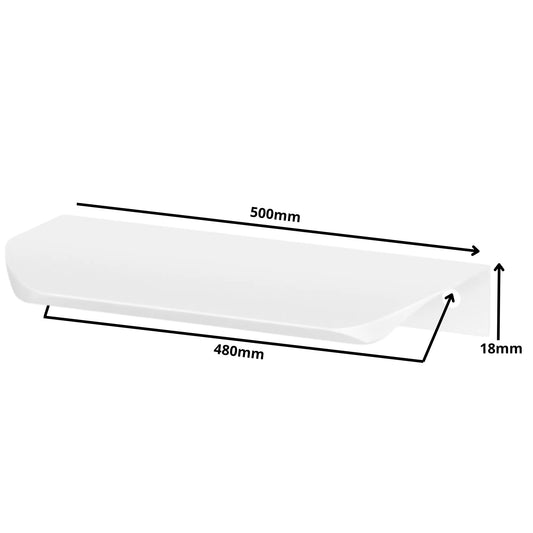
Rounded Edge Profile Cabinet Handle 18-7/8 inch (480 mm) Center-to-Center (19-11/16 inch / 500 mm Overall Length) - WhiteRegular price $9.62Unit price / perRegular priceSale price $9.62
-
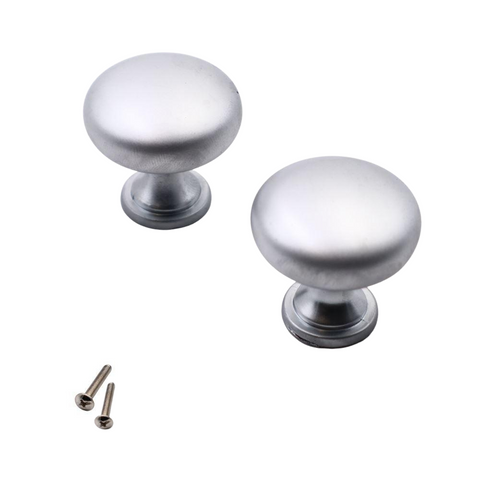
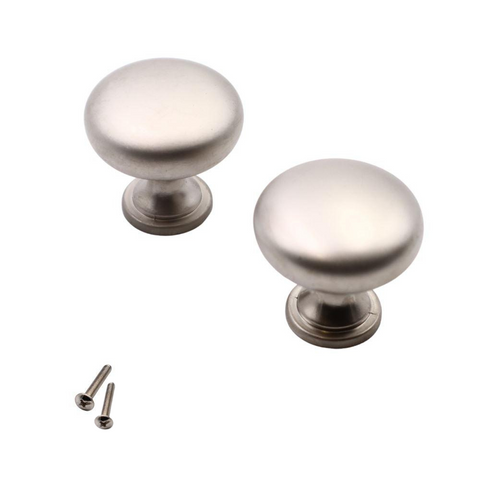
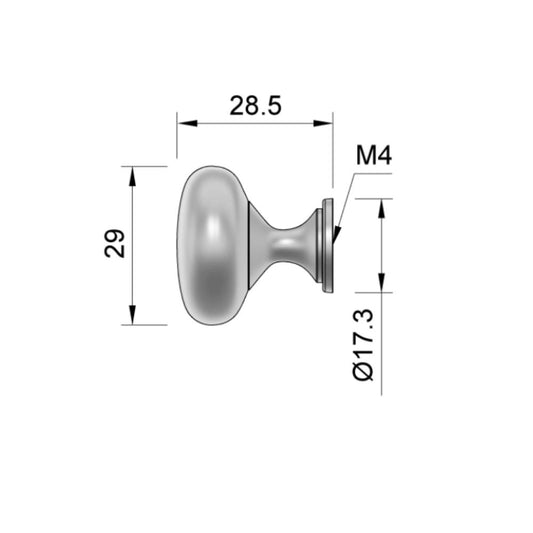
Cabinet knob - AluminumRegular price $1.78Unit price / perRegular priceSale price $1.78
-
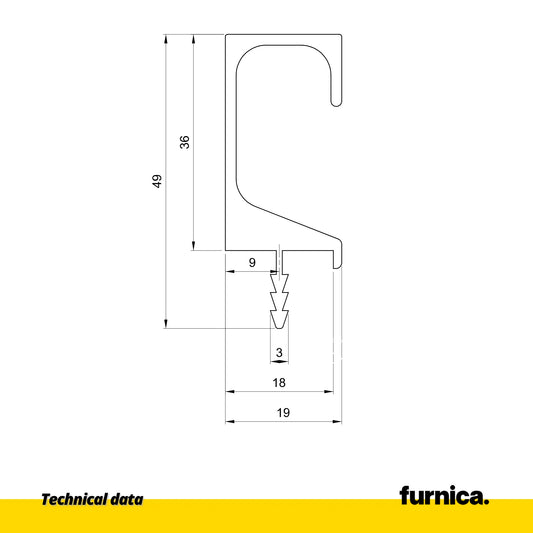
T18 Recessed Channel Profile / 137-3/4 inch (350 cm) - Matte BlackRegular price $35.07Unit price / perRegular priceSale price $35.07
-
Recessed Profile T18 / 137-3/4 inch (350 cm) - Inox AnodizedRegular price $35.07Unit price / perRegular priceSale price $35.07
-
T18 Recessed Profile / 137-13/16 inch (350 cm) - Chrome AnodizedRegular price $50.82Unit price / perRegular priceSale price $50.82
-
Recessed Profile T18 / 137-3/4 inch (350 cm) - Anodized AluminumRegular price $35.94Unit price / perRegular priceSale price $35.94
-
Recessed Channel Profile II T18 / 137-13/16 inch (350 cm) - Matte BlackRegular price $29.80Unit price / perRegular priceSale price $29.80
-
Recessed Channel II T18 / 137-13/16 inch (350 cm) - Anodized AluminumRegular price $29.80Unit price / perRegular priceSale price $29.80
-
Furniture handle 3-3/4 inch UZ05 - SatinRegular price $1.58Unit price / perRegular priceSale price $1.58
-
Furniture handle 3-3/4 inch UZ04 - SatinRegular price $1.39Unit price / perRegular priceSale price $1.39
-
Furniture handle 3-3/4 inch UZ02 - ChromeRegular price $0.92Unit price / perRegular priceSale price $0.92
-
Furniture handle 3-3/4 inch UZ01 - ChromeRegular price $1.61Unit price / perRegular priceSale price $1.61
-
Furniture handle 3-3/4 inch UZ02 - SatinRegular price $0.97Unit price / perRegular priceSale price $0.97
-
Furniture handle 3-3/4 inch UZ01 - SatinRegular price $1.63Unit price / perRegular priceSale price $1.63
-
LEAF Edge Pull Furniture Handle 1-1/4 inch (2-3/8 inch total length) - Pearl Matt SilverRegular price $3.94Unit price / perRegular priceSale price $3.94
-
Pull handle brushed steel - 7-7/8 inchRegular price $1.78Unit price / perRegular priceSale price $1.78
-
Pull handle brushed steel - 13-3/4 inchRegular price $2.05Unit price / perRegular priceSale price $2.05








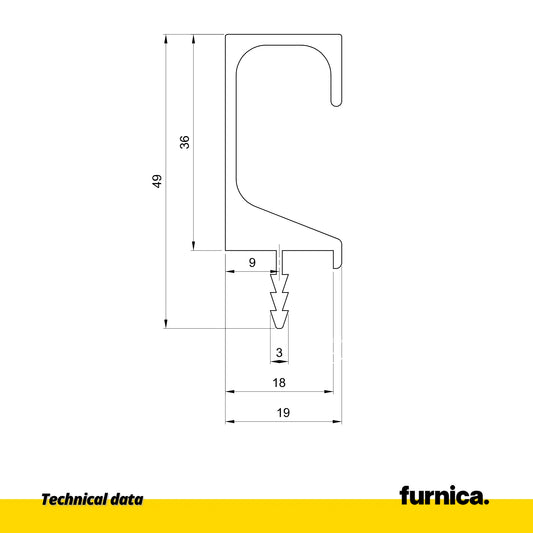

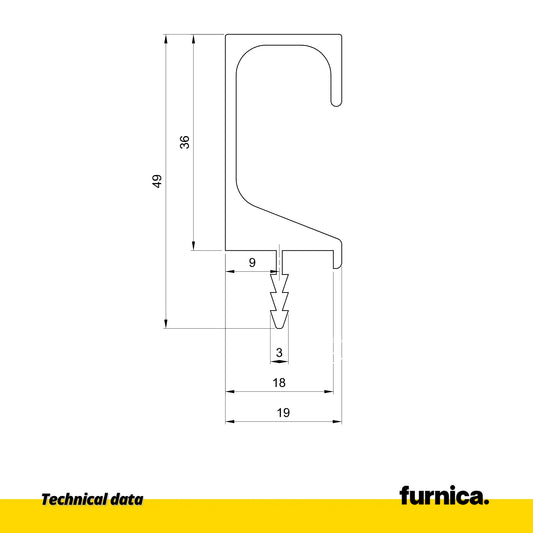

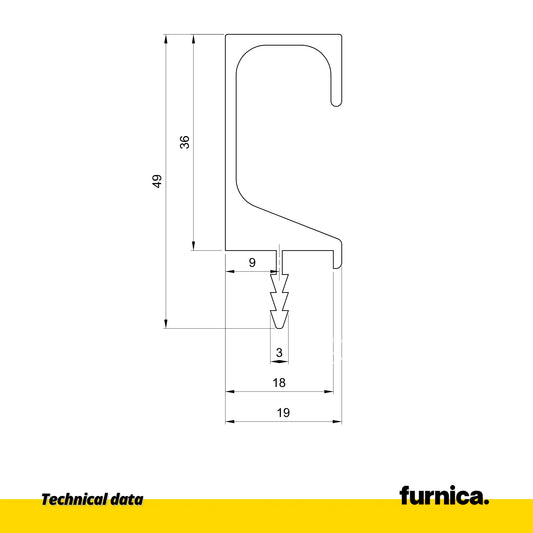

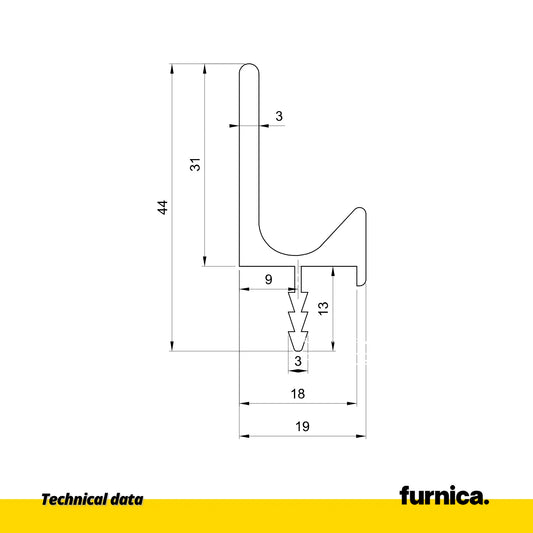

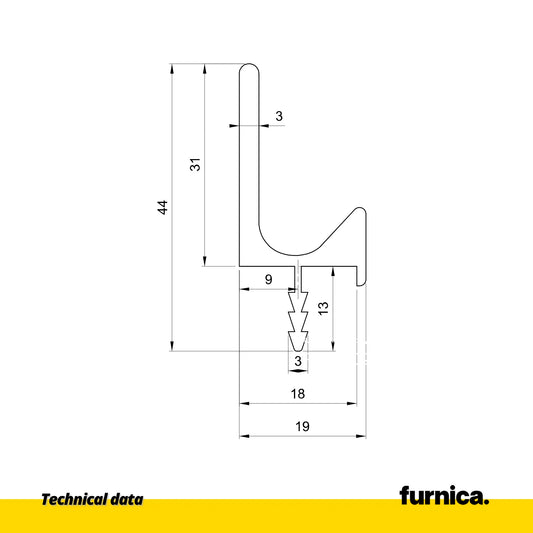

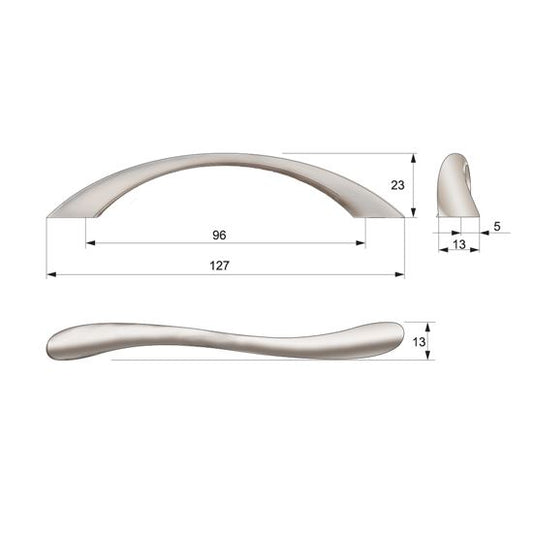

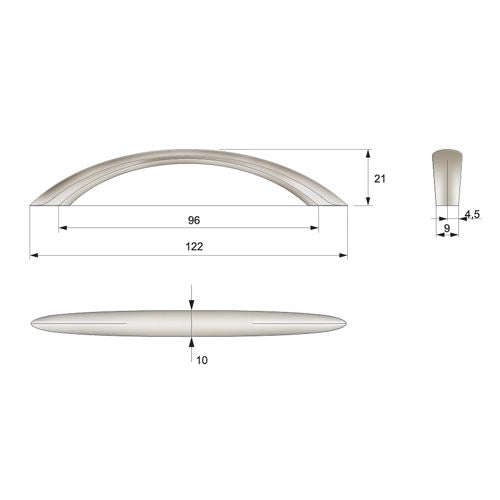

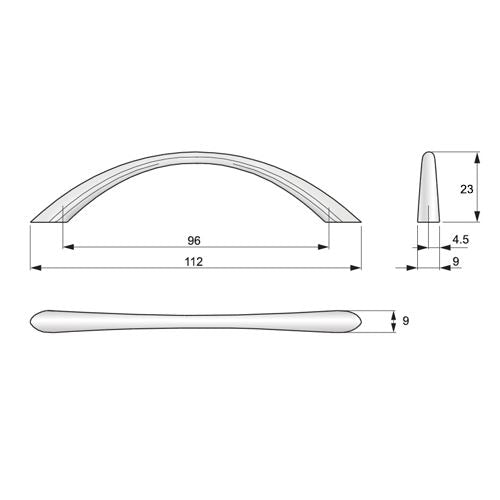

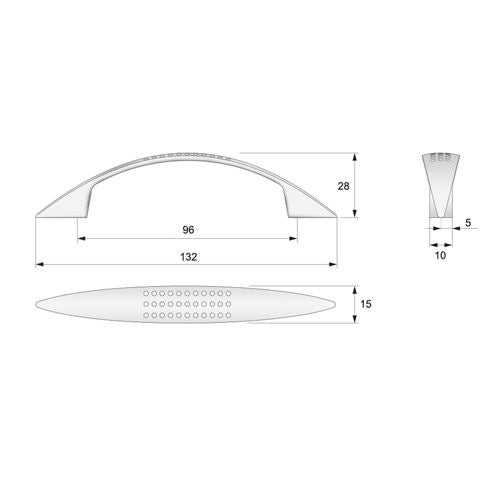

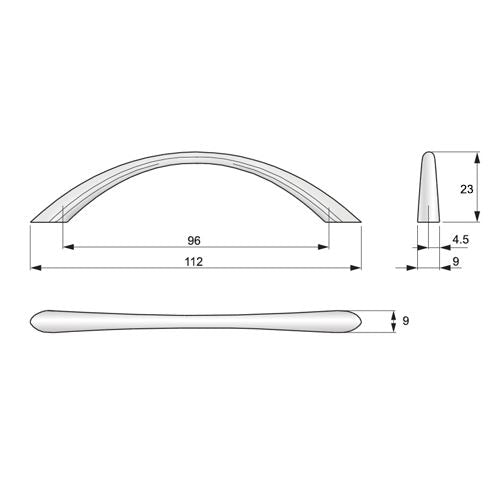

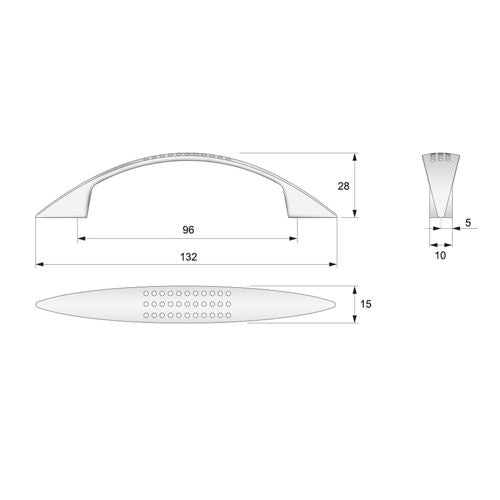


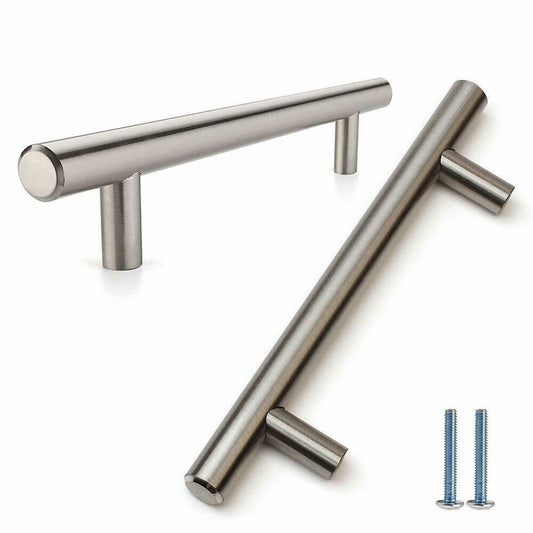

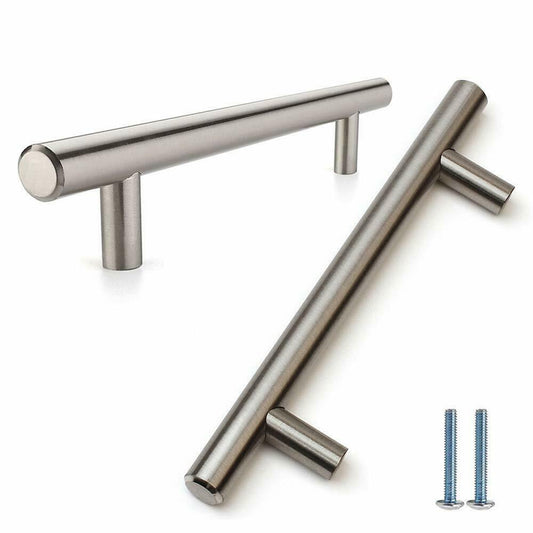
Aluminum metal cabinet pullsare extruded or cast hardware components designed for manual operation of furniture fronts, characterized by low specific weight combined with high torsional rigidity. In professional furniture manufacturing and high-end interior design, aluminum is a core material for hardware due to its excellent machinability and surface finishing capabilities.
The technical spectrum ranges from classic surface-mounted pulls to flush mortise pulls and rear-mounted edge pulls. Through alloy additives and thermal treatment, these aluminum metal cabinet pulls achieve mechanical strength that ensures twist-free tensile force transmission, even on wide and heavy-duty pull-outs.
Technical Properties of the Material
Aluminum (Al) has a density of approximately 0.098 lb/in³ (2.7 g/cm³), making it about one-third the weight of steel. However, pure aluminum is rarely used in cabinet making; specific alloys are used instead to increase tensile strength and hardness. Two dominant processes are used to manufacture aluminum cabinet hardware:
- Extrusion:The heated aluminum billet is forced through a die. This process is primarily used forprofile pullsand continuous finger pulls. It enables endless profiles with a constant cross-section, which are later cut to precise lengths.
- Die Casting:For complex, three-dimensional geometries such as classicaluminum bow handlesoraluminum cabinet knobs, liquid metal is pressed into a steel mold under high pressure.
Surface Finishing and Corrosion Protection
Untreated aluminum oxidizes in the air, forming a natural, matte oxide layer. To make the surface resistant to hand sweat, oils, and mechanical abrasion for daily contact on cabinet fronts, the hardware is industrially finished. Anodizing acts like microscopic armor, deeply shielding the soft core material from scratches and oxidation.
Typical finishes include:
- Anodizing:An electrochemical oxidation that creates an extremely hard, scratch-resistant protective layer. Popular styles includesatin aluminumor brushed matte, creating a refined, low-glare appearance.
- Powder Coating:A process in which color powder is electrostatical applied and baked at around 392 °F (200 °C). This allows for opaque, highly durable colors commonly seen onmatte black cabinet pullsorwhitemodels.
- Electroplating / Electropolishing:For high-gloss surfaces or special metallic aesthetics visually reminiscent ofgold cabinet pullsor chrome-plated options.
Applications and Project Planning
Selecting the ideal aluminum pull largely depends on the type of cabinet, door or drawer thickness, and the mass to be moved.
Kitchen and Bathroom Cabinetry
Aluminum fully displays its strengths in humid environments and kitchens. Unlike unalloyed steel, aluminum will not rust.Aluminum kitchen pullseasily withstand steam and temperature fluctuations. Continuous profile handles are popular for handleless kitchen designs. These are mounted on the top or side edge of the front, keeping the smooth surface of thekitchen cabinet handlesvisually seamless.
Large-Format Cabinet Fronts
Floor-to-ceiling wardrobe doors or heavy tall pull-out pantries exert high tensile forces. Long bar pulls or10-1/16 in (256 mm) cabinet pullsup to custom lengths exceeding 39-3/8 in (1000 mm) are required here. The force distribution is better spread across the long lever onto the substrate board (typically 3/4 in (19 mm) particle board or MDF), preventing mounting screws from tearing out.
Installation and Processing
Proper installation of aluminum metal cabinet pulls requires precision. The primary parameter for selection and drilling is thecenter-to-center distance (C-C), measured in millimeters or inches from hole center to hole center. Cabinet makers work almost exclusively withSystem 32standards, where center distances are multiples of 1-1/4 in (32 mm).
Common center-to-center distances for standard hardware:
- 1-1/4 in (32 mm) C-C:Frequently used for small drawers or as1-1/4 in (32 mm) cabinet pullson narrow flap doors.
- 3-3/4 in (96 mm) C-C:The classic standard for standard drawers. A fitting example is the3-3/4 in (96 mm) UZ01 Cabinet Pull - Aluminum.
- 5-1/16 in (128 mm) / 6-5/16 in (160 mm) C-C:The most popular dimensions for modern cabinetry. See our5-1/16 in (128 mm) cabinet pullsor6-5/16 in (160 mm) cabinet pulls.
- 7-9/16 in (192 mm) C-C:Designed for wider drawers, covered by7-9/16 in (192 mm) cabinet pulls.
Mounting Types
- Through-Hole Front Mounting:The pull is secured from the rear of the panel withM4 machine screwsthrough a drilled hole (3/16 in (4.5 mm) to 13/64 in (5 mm)) into the threaded socket of the pull. Screw length must match the door thickness precisely (panel thickness + thread engagement depth in the pull, usually 3/16 in (5 mm) to 5/16 in (8 mm)).
- Rear Edge Mounting:Edge pulls(profile pulls) wrap around the top edge of the front panel. They are fastened from the back directly into the core material using shortwood screws(often 1/8 x 19/32 in (3 x 15 mm) countersunk). Note that the aluminum profile adds thickness on the front edge (typically 1/16 in to 3/32 in (1.5 mm to 2.5 mm)). This dimension must be factored into reveals and gaps between fronts to prevent collision when opening and closing.
- Adjustable Center-to-Center Pulls:Certain extruded channel pulls feature a continuous rear slot. Threaded mounting blocks slide along this channel, greatly simplifying installation on existing, non-standard drill holes.
Featured Styles and Geometries
Hardware nomenclature follows design shape and finish. Professional applications strictly distinguish between surface-mounted pulls and edge profiles.
- Edge Pulls / Profile Handles:Designed to mount flush on panel edges.
- Edge Profile Pull 1-1/4 in (32 mm) C-C (2-1/16 in (52 mm) Overall Length) - Electropolished
- Round Edge Profile Pull 6-5/16 in (160 mm) C-C (7-1/16 in (180 mm) Overall Length) - Brushed Stainless Steel Look
- Round Edge Profile Pull 46-7/16 in (1180 mm) C-C (47-1/4 in (1200 mm) Overall Length) - Matte Black
- Classic Bow Pulls:
- Cabinet Pull 3-3/4 in (96 mm) UZ01 - Aluminum
- Single-Point Fastening:
- Cabinet Knob, Aluminum
Compatibility Note:If you want a stainless steel look while retaining lightweight aluminum construction, select aluminum-based pulls finished to emulate hardware from ourstainless steel cabinet pullscollection.
Care and Maintenance of Aluminum Hardware
Although aluminum is corrosion-resistant, finished surfaces react sensitively to improper cleaning agents. Anodized coatings or powder finishes must never be cleaned with abrasive sponges or polishing pastes. Clean using only a soft, lint-free cloth, lukewarm water, and a pH-neutral cleaner.
Highly alkaline cleaners (pH above 8), such as oven sprays or harsh degreasers, chemically attack the anodized layer, leaving permanent milky stains on the metal. Acidic cleaners must likewise be strictly avoided.
FAQ – Frequently Asked Questions About Aluminum Pulls
How do I accurately measure the center-to-center distance (C-C)?
Center-to-center distance is measured from the exact center of the first screw hole to the center of the second hole. For replacement hardware, measure the distance between existing holes in your cabinet front. Tolerances greater than 1/32 in (1 mm) will cause M4 screws to bind and strip internal threads during installation.
Can aluminum profile pulls be cut to custom lengths?
Yes, extruded profile pulls can be cut to length using a miter saw equipped with a fine-toothed aluminum carbide blade (negative rake angle). Keep in mind that raw, non-anodized aluminum will be exposed at the cut edge. Deburr this edge with fine 400-grit metal sandpaper to protect the exposed metal from oxidation.
What screw length do I need for a 3/4 in (19 mm) cabinet front?
Standard M4 machine screws are typically used. The formula for screw length is: front panel thickness + approximately 3/16 in to 1/4 in (5 mm to 6 mm) thread engagement into the pull. For a 3/4 in (19 mm) panel, you need M4 x 24 mm or M4 x 25 mm screws. If the screw is too long, the pull will not sit flush; if it is too short, the threads may strip under load.
What is the difference between "Satin Aluminum" and "Brushed Aluminum"?
Satin aluminumrefers to a smooth, ultra-even matte surface achieved through chemical or fine mechanical treatment without visible grain lines. It diffuses light softly. Abrushedfinish features fine, tactile directional lines (brush strokes) that give the metal a textured visual appearance.
Related Categories and Complementary Hardware
To fully equip your cabinetry projects or explore alternative materials and designs for your fronts, review these technical categories:
- Metal Cabinet Pulls
- Square Stainless Steel Pulls
- Charcoal & Anthracite Pulls
- Modern Cabinet Hardware
- Industrial Cabinet Pulls
- Aluminum Cable Grommets
- Aluminum Coat Hooks
- Matte Gold Cabinet Pulls
- Round Cabinet Hardware