
Table Top Fasteners
Popular Subcategories



-
Glass Shelf Clamping Support Bracket Ø3/16 inchRegular price $0.49Unit price / perRegular priceSale price $0.49
-
Glass Shelf Support Ø3/16 inch with a Suction CupRegular price $0.18Unit price / perRegular priceSale price $0.18
-
Pelican Shelf Support Bracket 1-3/4x2-3/16 inch - ChromeRegular price $2.36Unit price / perRegular priceSale price $2.36
-
Cylindrical Glass & Shelf Panel Holder - SatinRegular price $4.36Unit price / perRegular priceSale price $4.36
-
Glass & Panel Holder Cylindrical - Stainless Steel FinishRegular price $4.36Unit price / perRegular priceSale price $4.36
-
Cylindrical Glass and Panel Holder - Matte ChromeRegular price $4.36Unit price / perRegular priceSale price $4.36
-
Cylindrical Glass & Panel Holder - ChromeRegular price $4.36Unit price / perRegular priceSale price $4.36
-
Rectangular Glass and Shelf Panel Holder - Matte BlackRegular price $4.36Unit price / perRegular priceSale price $4.36
-
Glass & Panel Bracket / Table Top Fastener Rectangular - SatinRegular price $4.36Unit price / perRegular priceSale price $4.36
-
Glass & Shelf Panel Holders Rectangular - Stainless Steel FinishRegular price $4.36Unit price / perRegular priceSale price $4.36
-
Rectangular Glass & Shelf Panel Holder - Matte ChromeRegular price $4.36Unit price / perRegular priceSale price $4.36
-
Glass & Panel Holder Rectangular - ChromeRegular price $4.36Unit price / perRegular priceSale price $4.36
-
Glass & Panel Holder L-Shape - Small - SatinRegular price $2.61Unit price / perRegular priceSale price $2.61
-
Glass & Panel Holder Small L-Shape - Stainless Steel FinishRegular price $2.61Unit price / perRegular priceSale price $2.61
-
Glass & Panel Holder L-Shape - Small - Matte ChromeRegular price $2.61Unit price / perRegular priceSale price $2.61
-
Glass & Shelf Panel Holders L-Shape - Small - ChromeRegular price $2.61Unit price / perRegular priceSale price $2.61
-
Glass & Plate Holder L-Shape III - SatinRegular price $3.48Unit price / perRegular priceSale price $3.48
-
Glass & Plate Holder L-Shape III - Stainless Steel FinishRegular price $3.48Unit price / perRegular priceSale price $3.48
-
L-Shape Glass and Plate Holder III - Matte ChromeRegular price $3.48Unit price / perRegular priceSale price $3.48
-
Glass and Shelf Bracket L-Shape III - ChromeRegular price $3.48Unit price / perRegular priceSale price $3.48
-
L-Shaped Glass & Panel Holder II - Matte BlackRegular price $5.61Unit price / perRegular priceSale price $5.61

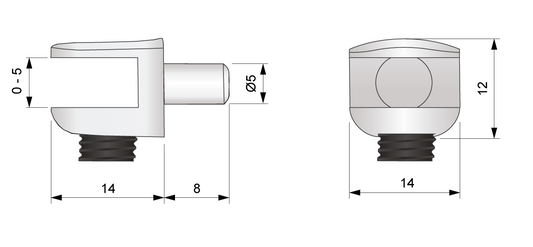

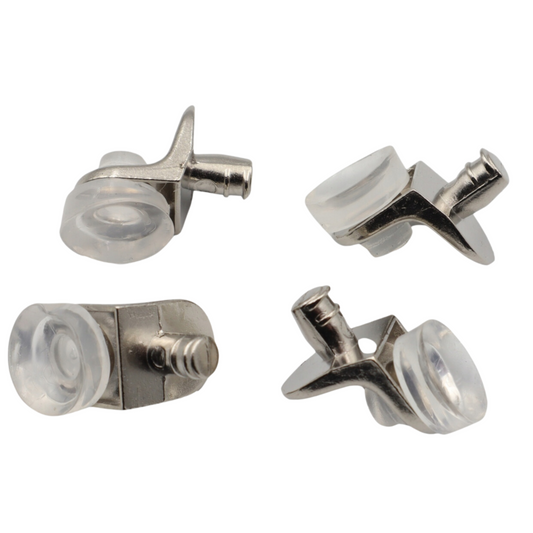


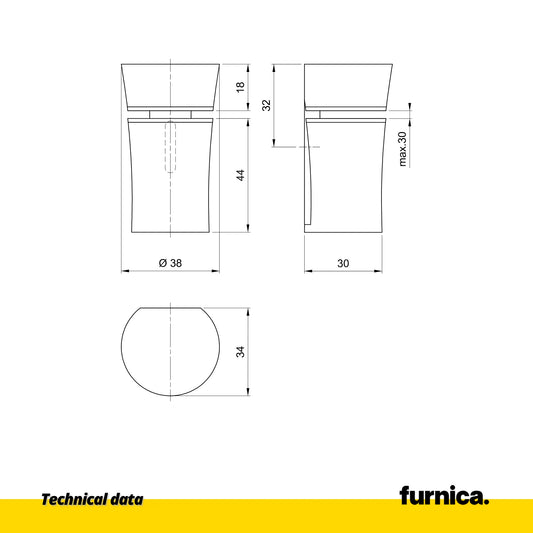

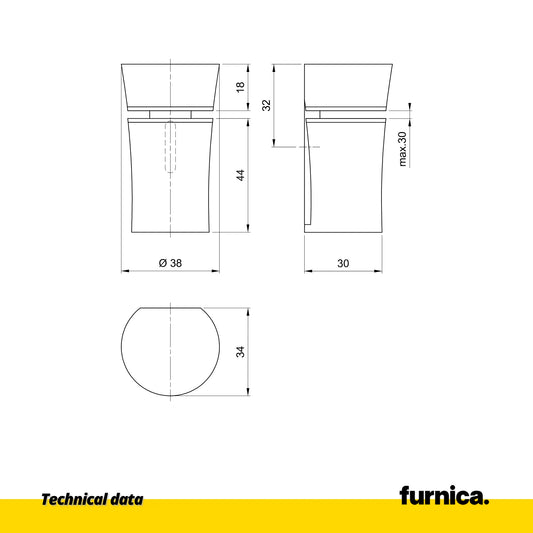

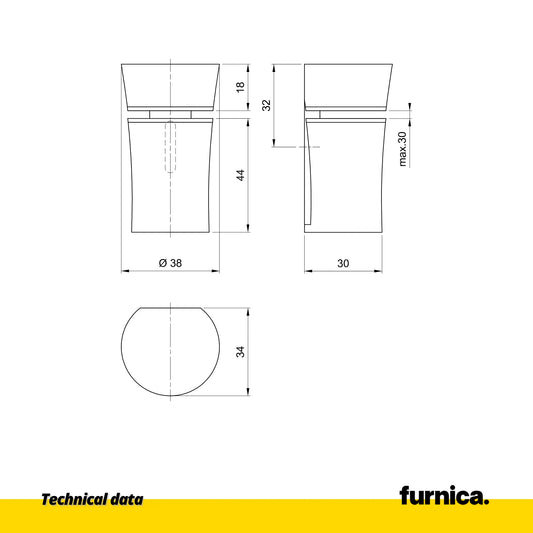

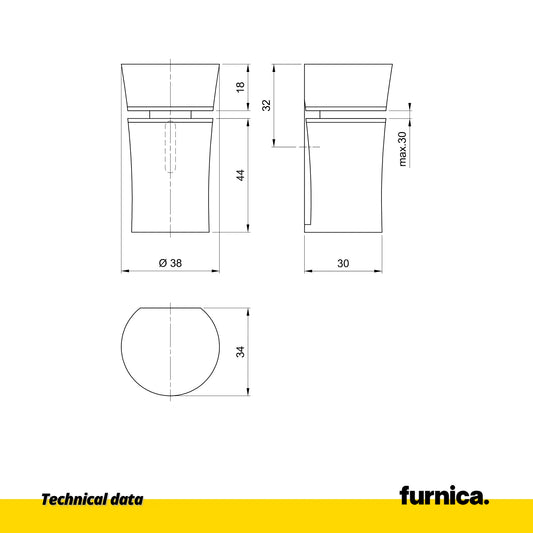

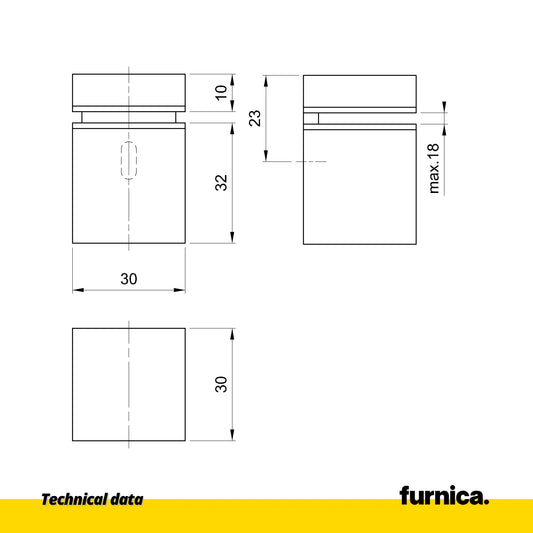

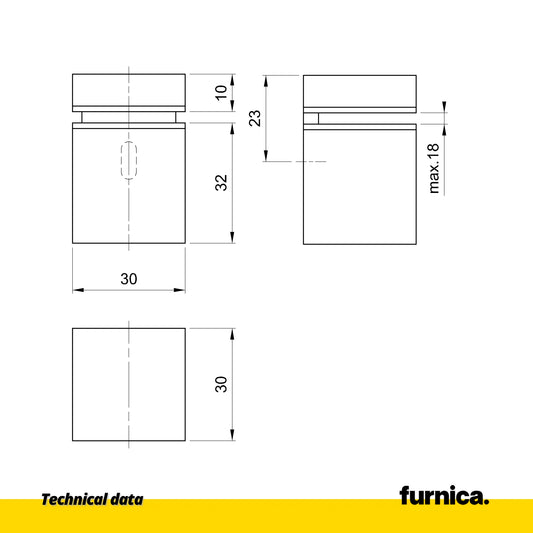

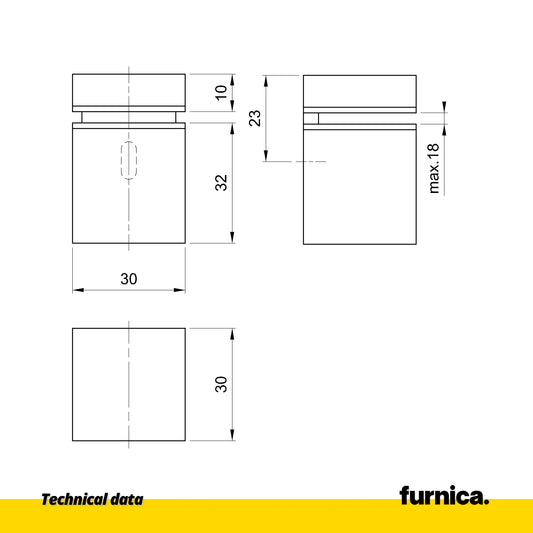

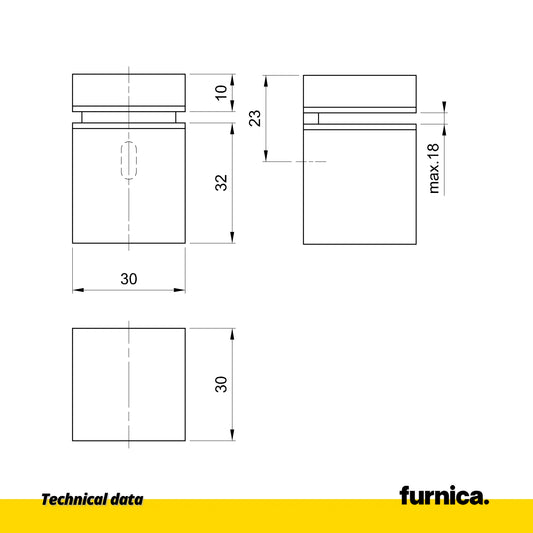

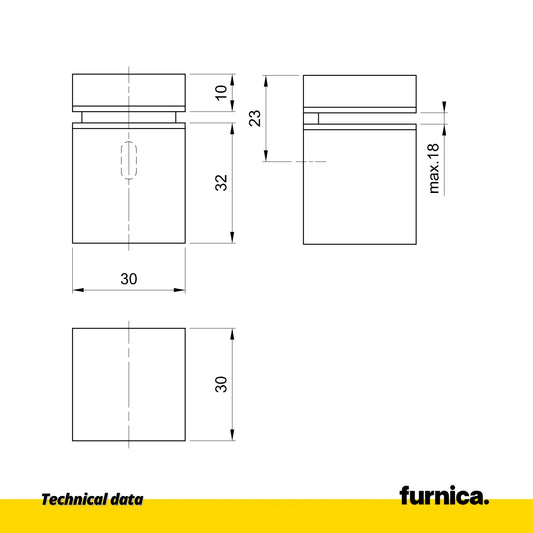

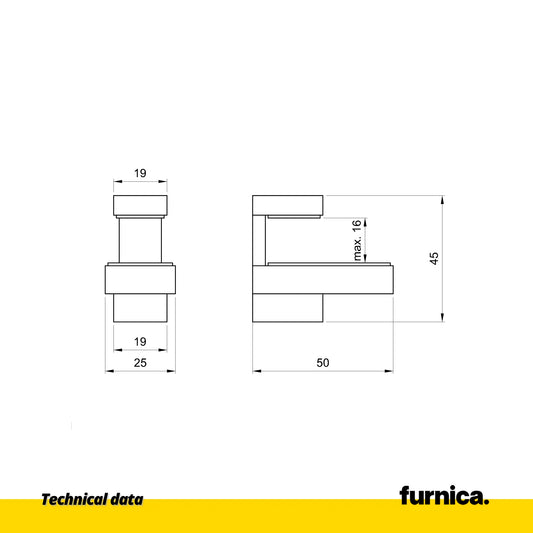

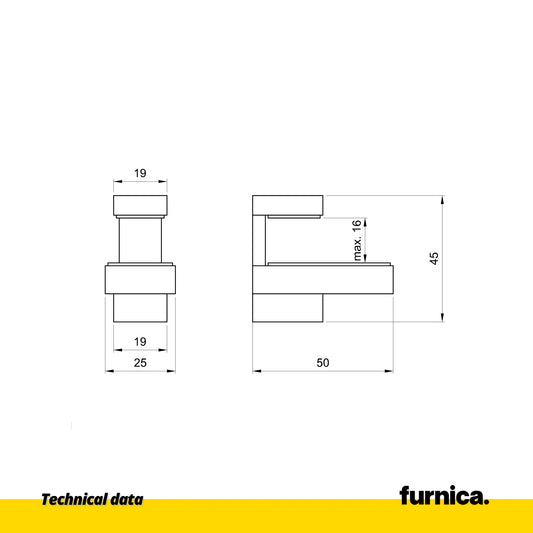

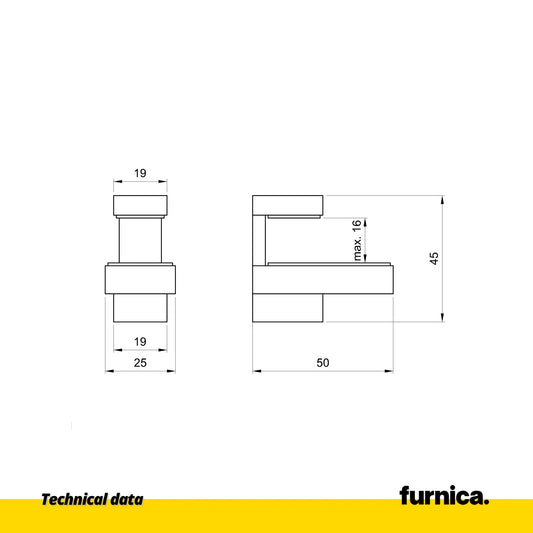

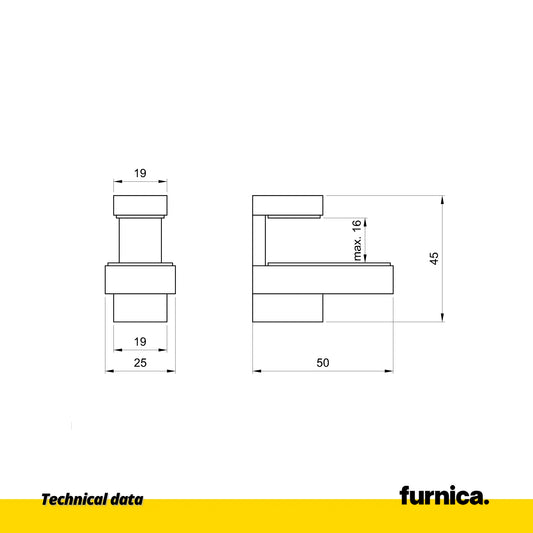

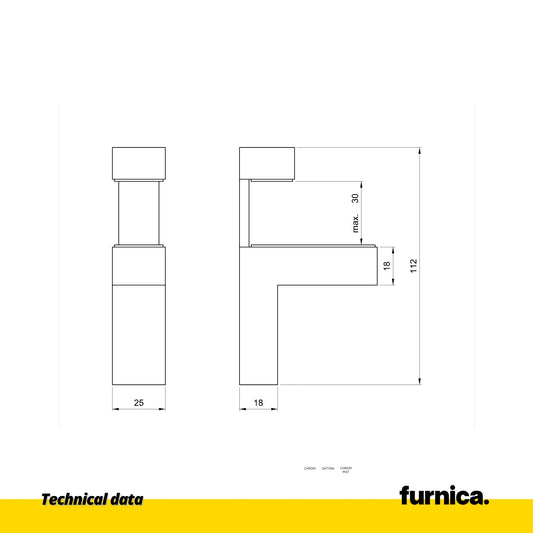

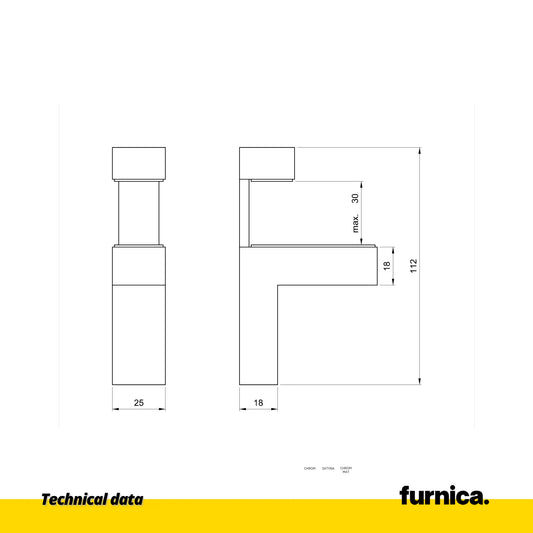

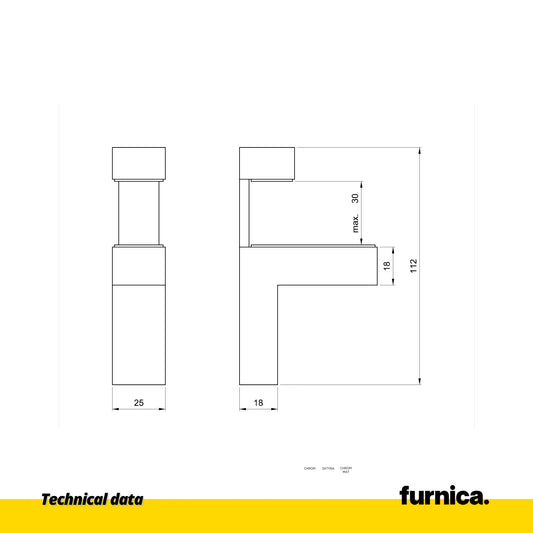

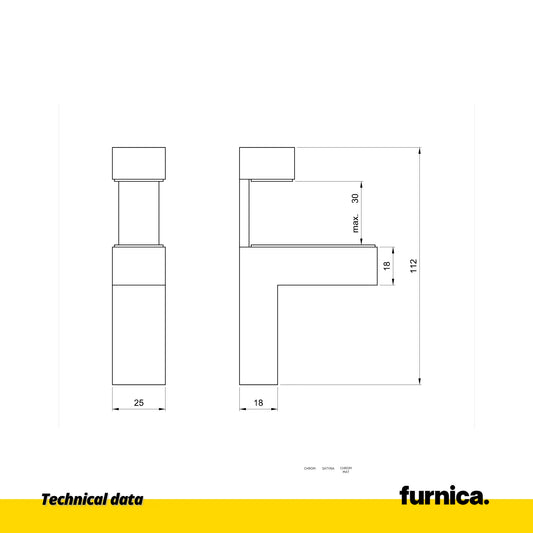

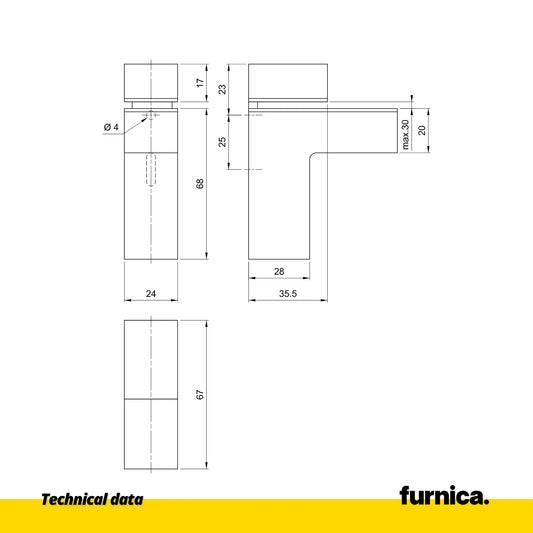
Table top fasteners, also known as shelf support brackets and panel clamps, are specialized mechanical hardware engineered to secure and stabilize glass panels, wooden shelves, or tabletops across furniture frames and walls. By transferring vertical loads safely into the supporting structure, these heavy-duty fasteners create positive-locking or friction-fit connections that prevent shelves and tops from slipping, sagging, or tipping over.
In custom cabinetry, commercial woodworking, and professional interior fit-outs, choosing the right size and style of bracket is critical. Selecting the ideal hardware depends on your substrate (tempered glass, solid hardwood, or particleboard), panel thickness, total load capacity, and mounting method (internal cabinet placement vs. floating wall mounts). In modern furniture construction, a table top fastener acts like the foundation of a bridge: it safely dissipates vertical weight into the structural frame without creating high-stress pressure points that could crack or shatter your materials.
Types and Designs of Table Top Fasteners
Designing rigid, long-lasting shelving units requires specialized engineering. Table top fasteners and shelf support hardware fall into several key categories, each tailored to specific mounting requirements.
Supports and Clamps for Glass Shelves and Panels
Glass shelving demands precision mounting hardware. Because toughened safety glass and float glass are sensitive to pinpoint pressure and direct metal-to-metal contact,glass table top fastenersmust feature soft protective contact pads.
For standard cabinet interiors, cylindrical shelf pins are the industry go-to. A staple for residential and commercial displays is theGlass Shelf Support Peg - 3/16 in (5 mm) Dia., designed for quick press-fit installation into pre-drilled line borings. To prevent smooth glass from sliding laterally, specialized variants feature integrated rubber rings or suction cups. TheGlass Shelf Support Peg 3/16 in (5 mm) Dia. with Suction Cupcreates a vacuum seal beneath the glass sheet. This friction grip anchors the shelf inside the cabinet, holding it firm even when items are pulled across its surface. For high-visibility display cases, theGlass Shelf Support Peg with Suction Cup - Chromedelivers the exact same vacuum-mount stability with a polished metallic finish.
Pelican Wall-Mount Shelf Brackets
For floating shelves installed directly against a wall, a heavy-dutywall table top fasteneror adjustable shelf clamp is required. The most recognized style in this class is the Pelican bracket (often called a toucan clamp), named for its distinctive beak-like profile. Structurally, it operates as a heavy-duty clamp featuring a fixed upper jaw and an adjustable lower jaw.
An integrated adjustment screw located on the underside lets you fine-tune the clamping jaw width seamlessly. This allows it to accept panels of varying thicknesses—typically ranging from 3/16 in to 1 in (4 mm - 25 mm). The internal gripping jaws are lined with durable plastic or rubber gaskets to shield the substrate from scratches and localized pressure.
Pelican shelf clamps come in multiple footprint sizes to match the depth and leverage of your shelf. For shallow bathroom or entryway ledges, compact models like the"Pelican" Shelf Support Bracket 1-3/8 x 1-9/16 in (35x40 mm) - Chromeor its brushed finish equivalent, the"Pelican" Shelf Support Bracket 1-3/8 x 1-9/16 in (35x40 mm) - Satin, are ideal. Deeper shelves apply significantly more leverage to the mounting hardware, requiring wider, heavy-duty brackets like the"Pelican" Shelf Support Bracket 2-3/16 x 2-15/16 in (55x75 mm) - Chromeor the"Pelican" Shelf Support Bracket 2-3/4 x 4-1/8 in (70x105 mm) - Chrome.
Cabinet Shelf Supports and Furniture Pins
Securing standard wood shelves inside closed cabinet boxes calls for simple, rugged hardware. Solid steel or zinc die-castcabinet shelf pegsdo not require rubber padding, as wood composites (like melamine-faced particleboard or MDF) naturally resist metal surface damage. Wood shelves rest directly on these metal pins or sit flush via shallow recessed dados machined into the underside of the panel to block forward movement.
Tabletop Mounting Clips and Heavy-Duty Connectors
To join heavy horizontal worktops to vertical frames, bases, or legs, specializedtable top fastenersand mounting brackets feature wide mounting flanges and multiple screw attachment points. Designed for intense everyday wear, these connectors absorb both the static load of heavy solid wood slabs and dynamic force, such as people leaning or pressing down on the edge of a desk or counter.
Technical Specifications and System Dimensions
Modern cabinet hardware relies on strict international manufacturing standards to guarantee seamless hardware compatibility and easy replacement. The universal standard across industrial and custom cabinet shops is theSystem 32 grid.
System 32 and Drilling Hole Diameters
Virtually all modern cabinet side panels feature vertical rows of pre-drilled holes spaced exactly 1-1/4 in (32 mm) center-to-center. The offset distance from the front edge of the cabinet box to the center of the first hole row is standardized at 1-7/16 in (37 mm).
Within this standard, hole diameters for shelf pins are almost universally 3/16 in (5 mm). Products like theGlass Shelf Support Peg 3/16 in (5 mm) Dia.feature precision-machined insertion shanks calibrated specifically to this tolerance. A knurled or ribbed shank profile provides a snug, vibration-resistant friction fit inside the bored hole. Compact display cases occasionally use 1/8 in (3 mm) pin systems, though 3/16 in (5 mm) remains the dominant US shop standard.
Weight Load Capacities and Leverage Mechanics
The overall load capacity of a table top fastener or shelf bracket depends on both its material strength and the shelf projection depth. As shelf depth increases, the lever arm acting on the wall fastener amplifies tension exponentially.
When installing floating shelves with wall-mounted hardware like the"Pelican" Shelf Support Bracket 2-3/4 x 4-1/8 in (70x105 mm) - Satin, substantial pull-out forces pull on the top mounting screw while compressive forces push against the lower base of the bracket. Rated weight capacities (typically specified in lbs per pair, such as 33 lbs (15 kg) or 55 lbs (25 kg)) are calculated based on a maximum shelf depth, such as 9-7/8 in (250 mm) or 11-13/16 in (300 mm). Exceeding the recommended depth reduces allowable weight capacity dramatically.
Material Compatibility and Architectural Finishes
Matching your hardware finish and body design to your shelf material ensures both structural longevity and visual appeal.
Securing Glass Panels Correctly
A dedicatedglass table top fastenermust incorporate built-in dampening. Because glass does not flex or compress, torquing rigid metal directly onto a glass edge creates severe stress risers that shatter the panel over time. To prevent this, quality glass clamps feature elastomeric rubber or silicone pads. When fitting custom 1/4 in (6 mm) glass shelves, adjustable Pelican-style clamps like the"Pelican" Shelf Support Bracket 1-3/4 x 2-3/16 in (45x55 mm) - Satinor the"Pelican" Shelf Support Bracket 1-3/4 x 2-3/16 in (45x55 mm) - Chromedeliver micro-adjustable clamping pressure dialed in precisely to that 1/4 in (6 mm) gap.
Finish Selection: Polished Chrome vs. Satin Nickel
Hardware surface finishes provide vital physical protection in addition to high-end decorative appeal. Bright polished chrome features a smooth, non-porous outer plating that offers excellent moisture resistance and wipes clean instantly, making it ideal for bathroom applications.
Satin and brushed finishes, featured on hardware like the"Pelican" Shelf Support Bracket 2-3/16 x 2-15/16 in (55x75 mm) - Satin, resist fingerprint smudges and conceal minor surface scratches. Their soft, matte diffusion of light makes them a popular choice for high-end residential living rooms, offices, and commercial interiors.
Step-by-Step Installation Guidelines
Installing internal shelf support pegs inside a cabinet requires a completely different approach than anchoring heavy-duty Pelican brackets to interior walls.
Installing Cabinet Shelf Support Pegs
Inserting shelf pins into pre-drilled System 32 cabinet sides requires no special tools. Simply press thecabinet table top fastenershank into the 3/16 in (5 mm) bored holes manually. Ensuring perfect horizontal alignment across all four corners prevents wobble. For cabinet spans exceeding 31-1/2 in (800 mm) loaded with 5/8 in or 3/4 in (16 mm or 19 mm) particleboard or MDF shelves, add an intermediate shelf support along the rear backer panel to prevent mid-span sagging.
Installing Pelican Wall Brackets
Mounting adjustable clamping brackets to drywall or masonry requires accurate layout marking and proper heavy-duty anchors.
- Layout & Alignment:Position the wall clamps roughly 1/6th of the shelf's total length inward from each outer end to distribute weight balanced across the panel.
- Drilling Wall Holes:Select heavy-duty wall anchors—typically 1/4 in or 5/16 in (6 mm or 8 mm)—matched to your wall substrate (drywall, brick, stud framing, or concrete).
- Securing the Bracket:Fasten the main bracket body flush to the wall using wood screws or masonry anchors.
- Clamping the Shelf:Slide the glass or wooden panel between the cushioned jaws. Tighten the underside adjustment screw until the clamp grips the shelf securely. Do not overtighten on glass, as excessive localized compression can cause cracking.
Frequently Asked Questions (FAQ) About Table Top Fasteners
What hole size do standard furniture shelf pegs require?Across modern furniture manufacturing, 3/16 in (5 mm) is the standard pin diameter designed around System 32 line boring machines. Pin shanks are precision-turned to roughly 0.19 in (4.9 mm to 5.0 mm) to guarantee a tight press fit into cabinet side walls.
Can Pelican brackets hold any shelf thickness?No. Every adjustable clamp features a maximum and minimum jaw capacity. Smaller accent brackets accommodate panel thicknesses from 3/16 in to 5/8 in (4 mm - 15 mm), whereas heavy-duty 2-3/4 x 4-1/8 in (70x105 mm) brackets clamp thick wooden or glass slabs up to 1 in or 1-3/16 in (25 mm or 30 mm). Always verify shelf thickness against the bracket opening spec prior to installation.
What is the difference between shelf pegs with suction cups and standard rubber rings?Standard rubber-ring pegs provide a cushioned surface to protect glass from metal contact. Suction cup pegs go a step further by creating a firm vacuum hold on smooth glass panels to stop them from sliding forward off the pins—a crucial safety feature for open display shelving.
How far apart should wall-mounted shelf brackets be spaced?Spacing depends entirely on the rigid strength of your shelf material. For 5/16 in (8 mm) tempered glass or 5/8 in (16 mm) particleboard, keep wall bracket spacing under 23-5/8 in to 31-1/2 in (600 mm to 800 mm). Wider gaps allow the center of the shelf to bow downward under heavy loads.
Why do some glass shelf supports feature rubber rings instead of suction cups?Rubber rings provide scratch protection and dampen vibrations while adding subtle friction resistance. They are widely used inside closed cabinet boxes where the surrounding frame and doors prevent the glass panel from pulling forward out of the cabinet.
Can I use table top fasteners for wall-mounted floating shelves?No. Standard tabletop fasteners and Z-clips are designed to connect horizontal tabletops to vertical cabinet bases or aprons while accommodating wood expansion. Floating wall shelves require heavy-duty wall clamps like Pelican brackets or dedicated hidden floating shelf rods engineered to handle high cantilevered torque against wall framing.