
Square Metal Table Legs
Popular Subcategories


-
Square Furniture Leg 27-15/16 inch, Chrome, ZnAl Mounting PlateRegular price $23.77Unit price / perRegular priceSale price $23.77
-
Square Furniture Leg 1x1 inch - H 3-15/16 inch ChromeRegular price $2.93Unit price / perRegular priceSale price $2.93
-
Square Furniture Leg 27-15/16 inch, White, ZnAl Mounting PlateRegular price $26.51Unit price / perRegular priceSale price $26.51
-
Square Furniture Leg 27-15/16 inch, Black, ZnAl Mounting PlateRegular price $26.51Unit price / perRegular priceSale price $26.51
-
Square Furniture Leg 27-15/16 inch, Satin, ZnAl Mounting PlateRegular price $26.51Unit price / perRegular priceSale price $26.51
-
Square Furniture Leg 1x1 inch - H 3-15/16 inch SatinRegular price $2.94Unit price / perRegular priceSale price $2.94
-
Square Furniture Leg 1x1 inch - H 5-7/8 inch SatinRegular price $3.31Unit price / perRegular priceSale price $3.31
-
Square Adjustable Table Leg 28 inch (710 mm), Brushed Nickel, ZnAl Mounting PlateRegular price $24.01Unit price / perRegular priceSale price $24.01
-
Square Furniture Leg 1x1 inch - H 5-7/8 inch ChromeRegular price $3.31Unit price / perRegular priceSale price $3.31

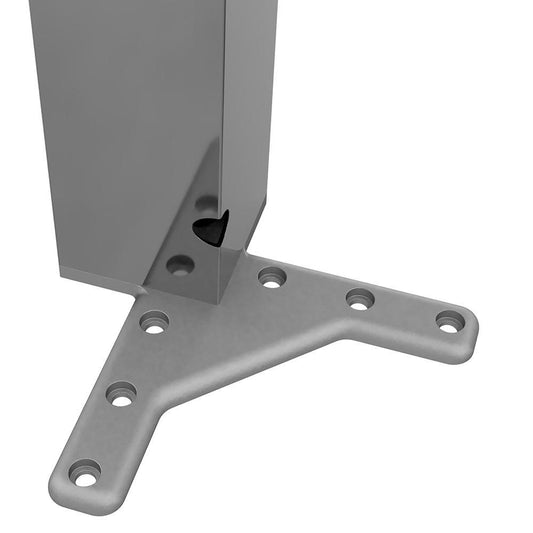

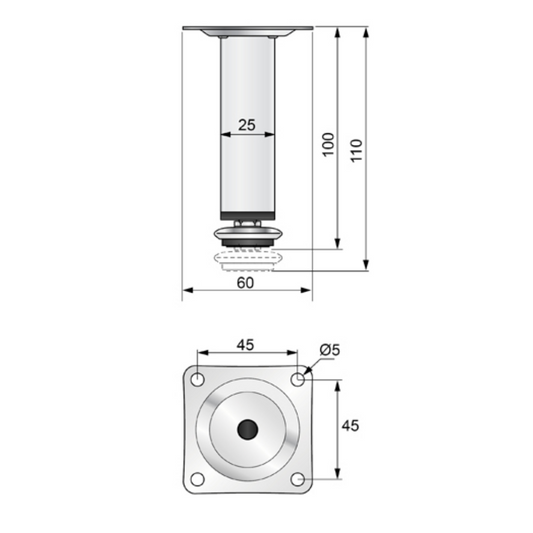

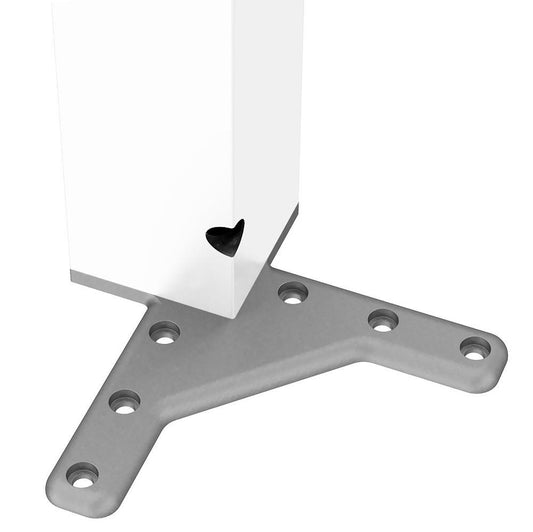

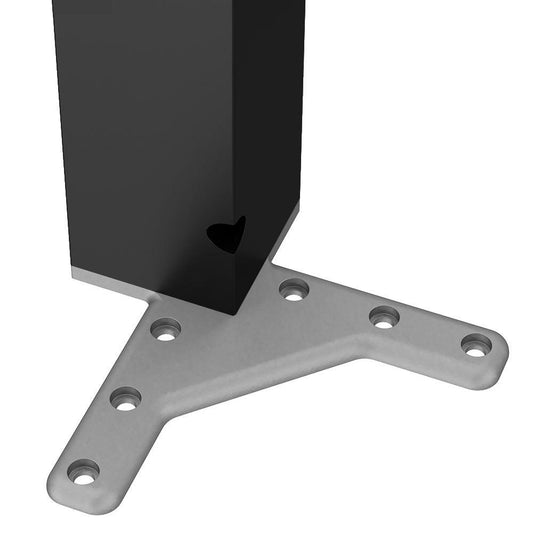

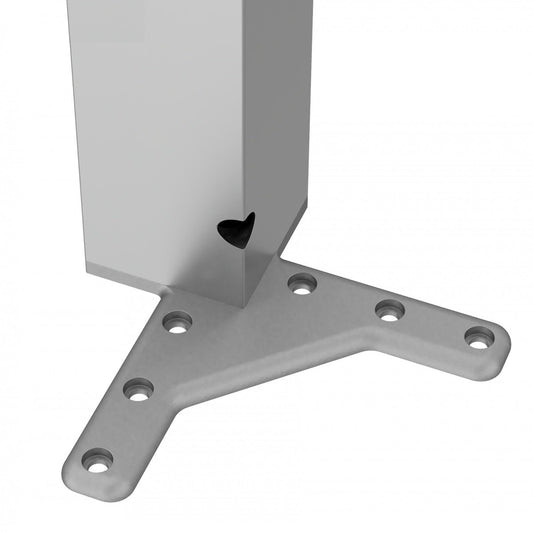

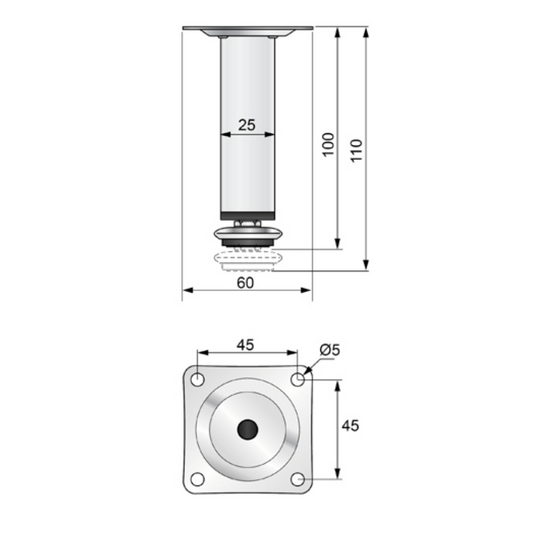

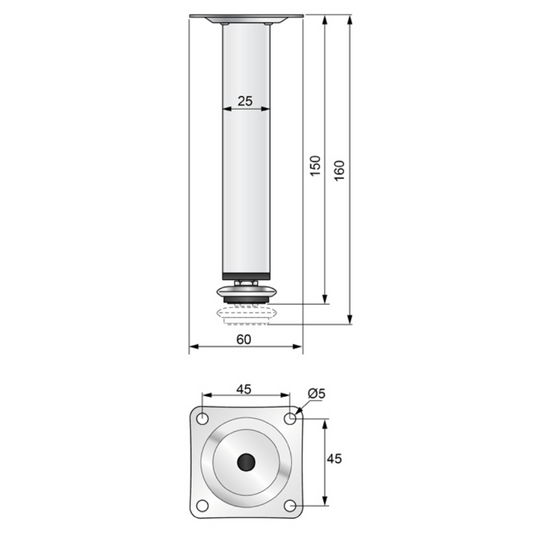

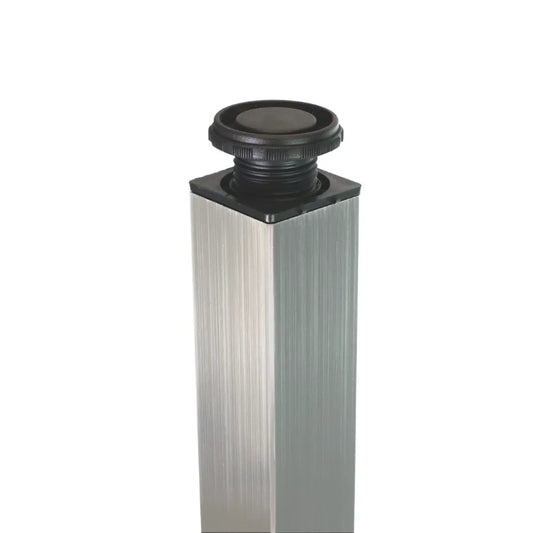

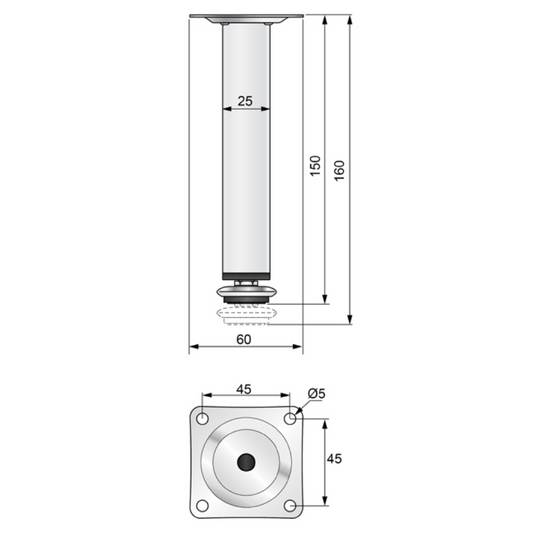
Square metal table legsand furniture feet are load-bearing components featuring a square or rectangular profile that give cabinets, dressers, beds, or tables a stable base while screwing securely directly into the furniture body.
Thanks to their clean, angular geometry, these feet offer a wide contact area and high static load capacity. Whether you are building DIY furniture or upgrading existing pieces, square metal furniture legs are a functional solution to raise your furniture to the desired working height, compensate for uneven floors, and allow easy floor cleaning underneath.
Technical Features and Construction
A squaremetal furniture legtypically consists of a hollow steel or aluminum profile. A common standard dimension in furniture construction is a cross-section of1 x 1 in (25 x 25 mm). This size offers an optimal compromise between mechanical stability and understated visual style. Beneath a heavy solid wood cabinet, a square metal profile acts like the foundation of a modern skyscraper—sleek, uncompromising, and engineered for maximum weight distribution.
The Zinc alloy Mounting Plate
Particularly on longer models used assquare metal table legs, the connection between the leg and the tabletop is critical. Here, aZinc alloy mounting plate(a zinc-aluminum alloy) is frequently utilized. This plate is permanently joined to the top end of the metal profile and features pre-drilled holes. The zinc-aluminum alloy prevents screw tear-out under lateral loads and guarantees a torsion-resistant installation to the underside of your table or cabinet top.
Surfaces and Finishes
Your choice of finish affects resistance to scratches and moisture. For use in damp areas like bathrooms or for heavily used kitchen furniture, a protective coating is essential.
- Polished Chrome:Electroplated chrome plating protects the underlying steel against corrosion.Chrome furniture feetare easy to wipe clean and resistant to water splashes.
- Satin / Brushed Nickel:This muted finish easily conceals fingerprints and light dust. You can find matching models in oursatin furniture feetcategory.
- Powder-Coated (Black/White):A baked-on finish creates an impact-resistant layer.Black furniture legsare ideal for industrial furniture designs, especially when paired with dark wood veneers like Wotan Oak.
Which Projects Are Square Metal Legs Best For?
Our line ofsquare furniture legscovers a wide range of furniture types. Choosing the correct height is the deciding factor for the overall ergonomics of your finished piece.
Dressers, Sideboards, and Cabinets
For classic case goods made fromparticleboardorMDF, shorter legs are typically mounted. Heights from4 in (100 mm)to6 in (150 mm)are standard. They raise the furniture body high enough to let robot vacuums pass under easily while keeping the center of gravity low enough to prevent tipping.
- ASquare Furniture Leg 1 x 1 in (25x25 mm) - 4 in (100 mm) Satinis ideal for heavy living room sideboards.
- If you need more ground clearance, choose6 in (15 cm) furniture legs, such as theSquare Furniture Leg 1 x 1 in (25x25 mm) - 6 in (150 mm) Chromemodel.
Bed Frames and Upholstered Furniture
When building a custom solid wood bed frame or replacing damaged feet on a box spring, square metal bed legs provide a sturdy choice. The square shape prevents lateral buckling under dynamic loads. For standard bed frames, heights from the4 in (10 cm) furniture legscategory are usually sufficient to achieve a comfortable entry height.
Desks and Dining Tables
When converting a countertop or solid wood slab into a custom desk or dining table, longsquare metal table legscome into play. The industry standard height for table legs is28 in (71 cm). Adding a typical tabletop with a thickness of1-3/16 in (30 mm)results in an ergonomic total height of29 in (74 cm). For these DIY projects, theSquare Metal Table Leg 28 in (71 cm) - Black, Zinc alloy Mounting Plateor theSquare Metal Table Leg 28 in (71 cm) - Aluminum, Zinc alloy Mounting Platefrom ourmetal table legscollection delivers maximum stability.
DIY Installation Guide
Installing square metal legs requires precise work to ensure a wobble-free, stable base. Even for beginners, assembly is straightforward with the right tools.
Required Tools:
- Cordless drill/driver
- Wood drill bit (Ø5/64 in (2 mm)for pilot holes)
- Tape measure and pencil
- Wood/chipboard screws(countersunk head,PZorTXdrive, diameter#8 / 5/32 in (4 mm))
Step-by-Step Assembly
- Positioning:Turn the piece of furniture upside down. Mark the mounting position for the legs. For balanced weight distribution, legs should be set back approximately3/4 in to 1-3/16 in (20 mm to 30 mm)from the outer edge of the frame. For square feet, ensure they align perfectly parallel to the edges of the cabinet.
- Pre-Drilling:To prevent splittingparticleboardor solid wood, pre-drill the marked holes using a5/64 in (2 mm)bit to a depth of roughly3/8 in (10 mm).
- Fastening:Position the square furniture leg and drive the screws in hand-tight. Avoid using screws that are too long—for an11/16 in (18 mm)bottom panel,#8 x 5/8 in (4 x 16 mm)screws are ideal.
- Floor Protection:Because metal can scratch hard flooring like laminate or tile, stick protective pads on the bottom of the feet. Use precisely fittingrectangular felt padsfor this purpose.
Compensating for Uneven Floors
Not every floor is perfectly level. If your furniture wobbles after assembly,adjustable furniture legssolve the problem. Many square models feature an integrated plastic glide at the bottom that can be unscrewed via a threaded rod (usuallyM8orM10). This allows you to compensate for height differences of3/16 in to 5/8 in (5 mm to 15 mm)directly at the leg without needing unsightly shims.
Care and Maintenance of Metal Legs
Caring formetal furniture legsdepends on their specific finish. Polished chrome feet are best cleaned using a soft microfiber cloth and a mild glass cleaner. Avoid abrasive sponges, as they can leave micro-scratches in the chrome layer. Powder-coated black or white finishes are extremely low-maintenance—a slightly damp cloth is all you need. When mopping floors, ensure aggressive cleaning solutions do not dry on the metal legs, as this can degrade the Zinc alloy mounting plates or painted finishes over time.
Frequently Asked Questions (FAQ)
Which screws should I use to mount metal furniture legs?
Use countersunkwood or chipboard screwswith a diameter of#8 / 5/32 in (4 mm). The length depends on the thickness of your furniture base. For standard11/16 in (18 mm)particleboard,#8 x 5/8 in (4 x 15 mm or 4 x 16 mm)screws work best so the tips do not poke through into the cabinet interior.
How many square metal table legs do I need for a desk?
For a standard freestanding desk, you need fourmetal table legs. If your tabletop is longer than5 ft (150 cm)and made from thin particleboard, the material may sag in the middle over time. In this case, we recommend adding an apron frame for reinforcement or mounting a fifth leg centered near the rear edge.
What is the difference between Chrome and Satin finishes?
Chrome is a high-gloss, highly reflective surface commonly seen in modern kitchens and bathrooms. Satin (or brushed nickel) features a matte, lightly textured look. Satin finishes are far more forgiving when it comes to visible dust and fingerprints.
Can square metal legs be placed on floors with radiant heating?
Yes. Metal dissipates heat efficiently and will not be damaged by the standard operating temperatures of radiant floor heating systems. Just be sure to install felt pads or plastic caps under the feet to protect heated floor coverings (such as vinyl or hardwood) from mechanical scratches caused by the metal profile.
Are square legs sturdier than round ones?
Overall stability primarily depends on material thickness, mounting plate construction, and proper screw attachment rather than shape alone. However,square metal table legsand feet offer straight edges that align flush with cabinet corners, distributing heavy loads very evenly across the entire profile.