
Cabinet Knobs
Popular Subcategories
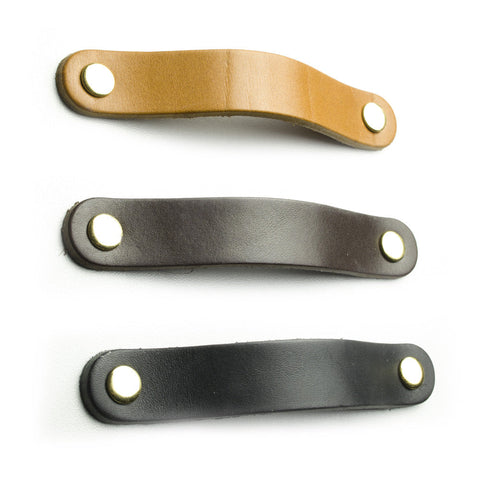
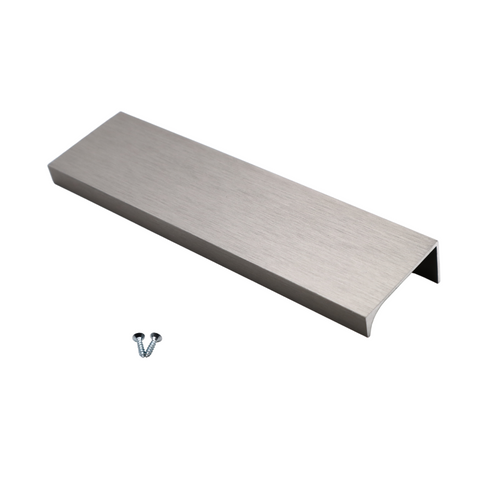
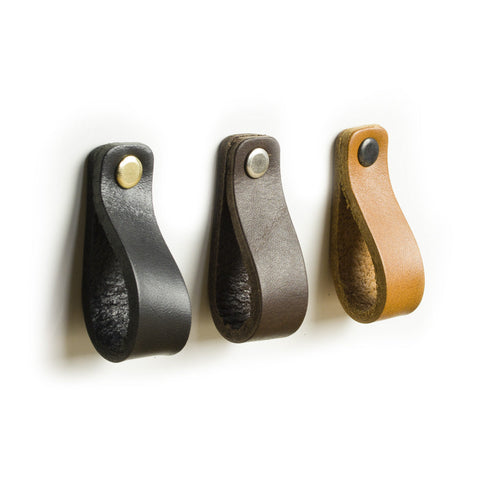
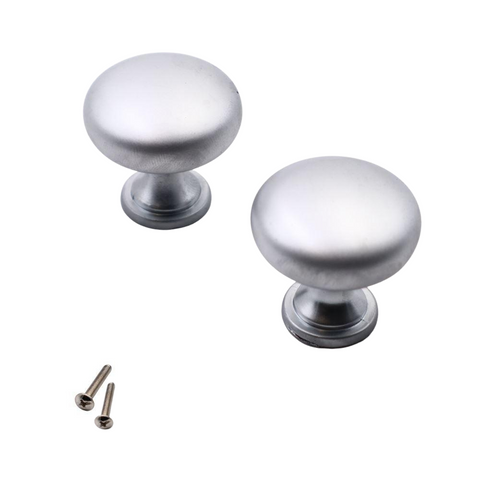
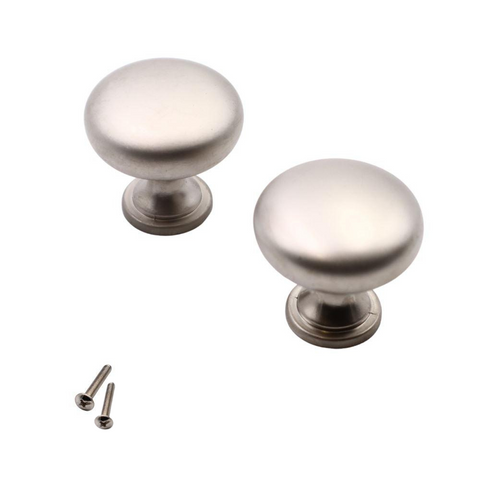
-
Cabinet knob - AluminumRegular price $1.78Unit price / perRegular priceSale price $1.78
-
Cabinet knob - ChromeRegular price $1.33Unit price / perRegular priceSale price $1.33
-
Porcelain Cabinet KnobRegular price $3.07Unit price / perRegular priceSale price $3.07
-
Round Crystal Glass Cabinet Knob - 1-3/8 inch (35 mm) - ChromeRegular price $4.47Unit price / perRegular priceSale price $4.47
-
Round cabinet knob - Black MattRegular price $2.98Unit price / perRegular priceSale price $2.98
-
Cabinet knob - SatinRegular price $1.78Unit price / perRegular priceSale price $1.78
-
Round cabinet knob - Brushed SteelRegular price $2.98Unit price / perRegular priceSale price $2.98

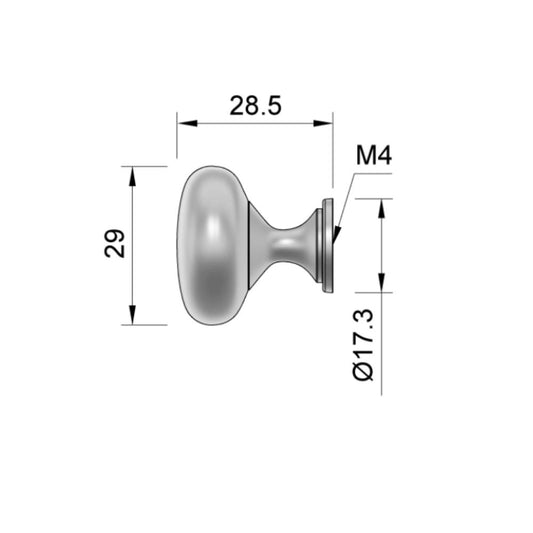

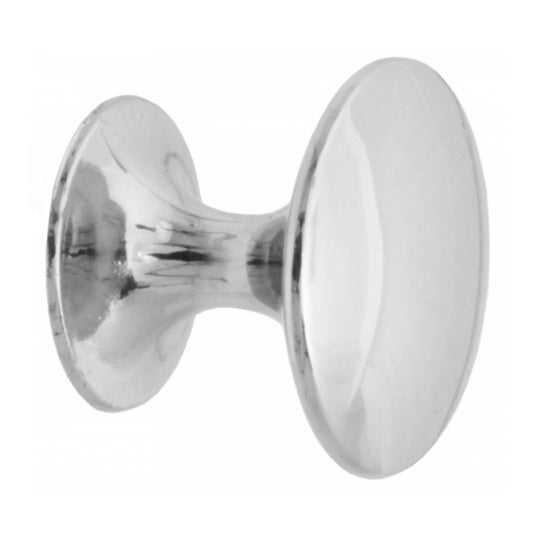


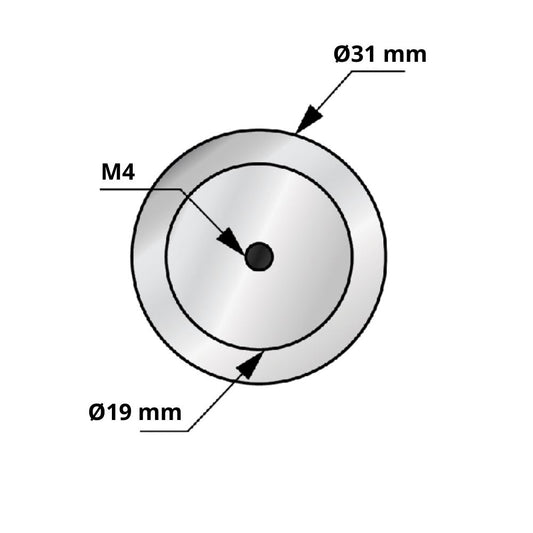

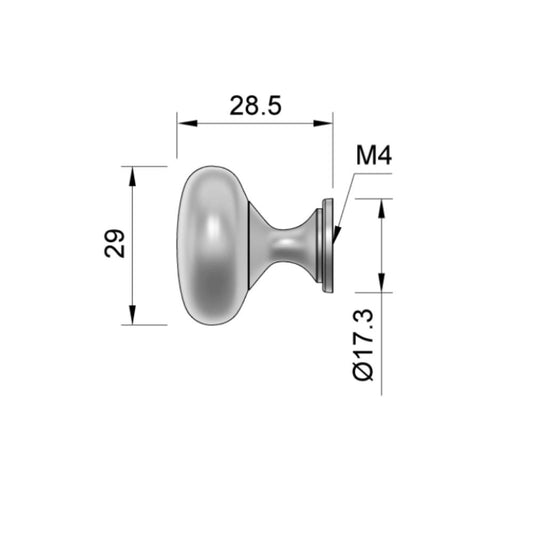

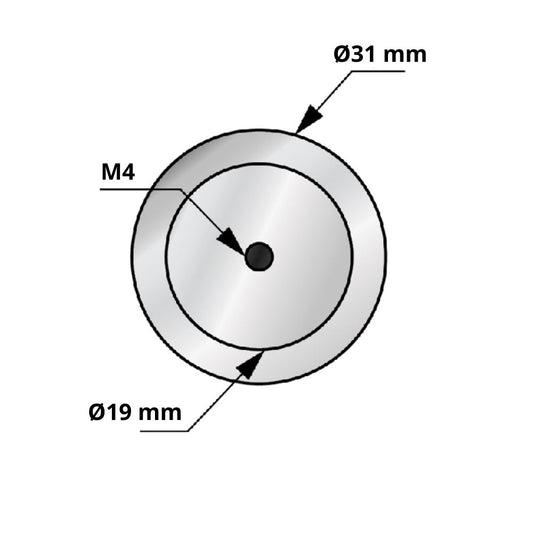
Cabinet knobs are single-point hardware solutions designed for pulling and operating cabinet doors, flaps, and drawers, typically secured to the cabinet front using a single internal M4 machine screw.Unlike pull handles or edge pulls that require at least two mounting points, cabinet knobs transfer all tensile pulling force through a single central axis into the substrate. This makes them versatile components in custom cabinetry and furniture building, though it requires precise coordination of screw length, door thickness, and substrate strength.
In professional woodworking and modern furniture assembly, cabinet knobs meet both functional demands and tactile expectations. Selecting the right knob depends heavily on the expected pull load of the respective front. A smooth-running drawer on roller slides places very different mechanical demands on hardware than a heavy, full-height MDF wardrobe door equipped with strong soft-close hinges.
Technical Specifications and Mechanical Construction
The classic construction of cabinet knobs consists of the main body, the base (which rests flush against the front surface), and an internal threaded socket. The standard fastener spec in modern cabinet manufacturing is the metricM4 thread.
Thread Depth and Screw Length
The blind threaded hole inside the hardware typically features a usable thread depth of 5/16 in (8 mm) to 15/32 in (12 mm). This leaves a tight tolerance range when selecting screw lengths. If the screw is too long, it bottoms out in the socket before the screw head sits flush against the interior side of the door, leaving the knob loose and wobbly. If the screw is too short, only one or two threads engage, which risks stripping the threads out under heavier pull force.
For standard 5/8 in (16 mm) particle board or MDF, a 7/8 in (22 mm) M4 screw is standard practice. For thicker 3/4 in (19 mm) cabinet fronts, a 1 in (25 mm) screw should be selected. The screw must thread into the knob base by at least 3/16 in (5 mm) to guarantee safe torque transmission.
Base Diameter and Bearing Surface
The diameter of the base footprint determines how effectively tensile force is distributed across the face of the door. A wider base footprint of around 19/32 in (15 mm) prevents the knob from digging into soft substrates like painted MDF over time. For knobs with extremely narrow bases, adding a washer on the back of the door panel helps spread the clamping pressure exerted by the screw head.
Materials and Surface Finishes
Material selection dictates weight, tactile grip, and corrosion resistance. Different mounting locations demand specific surface treatments and durability standards.
Stainless Steel and Aluminum
Corrosion-resistant metals are essential in high-moisture or heavy-use environments. Afurniture knob, Brushed Steel(brushed steel cabinet knob) provides extreme mechanical durability. The linear brushing process creates a subtle directional grain that naturally hides fingerprints. Professionals looking for abrushed stainless steel cabinet knobusually require hardware for kitchen cabinet doors that face daily exposure to grease, moisture, and household cleaning chemicals.
For a lighter alternative, consider anfurniture knob, Aluminum(aluminum cabinet knob). Aluminum hardware is typically anodized to harden the outer surface and protect against oxidation. These lightweight cabinet knobs are ideal for minimalist furniture structures where overall door weight must be kept to a minimum.
Zinc Die-Cast with Electroplated Coatings
Most solid metal cabinet knobs feature a core made from die-cast zinc alloy (Zamak), allowing for complex shapes and precise manufacturing. Zinc alloys accept electroplating exceptionally well. Afurniture knob, Chrome(chrome cabinet knob) gains a brilliant reflective sheen through multi-layer electroplating (copper, nickel, chrome). This outer chromium layer is exceptionally scratch-resistant. For a softer, anti-glare aesthetic, afurniture knob, Satin(satin nickel cabinet knob) uses a matte nickel finish. Popular searches forsilver cabinet knobsorsilver drawer knobsgenerally refer to these durable electroplated Zamak finishes.
Powder Coatings for Matte Aesthetics
To achieve non-reflective surfaces, industrial powder coating is applied. Afurniture knob, Black Matt(matte black cabinet knob) is electrostatically sprayed with dry powder and baked in an oven to cure. This creates an impact-resistant finish with a smooth, tactile texture. In modern interior design,black metal cabinet knobsremain a top specification for dark wood grains and high-contrast cabinetry.
Porcelain, Ceramic, and Glass
Non-metallic materials utilize specialized internal assembly techniques. Afurniture knob aus Porzellan(porcelain cabinet knob) features a glued-in threaded brass or steel insert, as threads cannot be cut directly into ceramic material. Glass hardware, such as aRunder furniture knob in Kristallglasoptik - Ø35mm - Chrome(round crystal glass cabinet knob - 1-3/8 in (35 mm) - chrome base), pairs a cast or cut glass body with a solid metal base. These composite designs carry a heavier feel and elevated luxury look.
Geometry and Ergonomics: Round, Square, or Low-Profile?
The physical shape of cabinet knobs influences not only visual design, but also finger clearance—the space between the back of the knob and the front of the cabinet. A comfortable finger clearance of 15/32 in (12 mm) to 19/32 in (15 mm) ensures fingers don't drag against the door panel, preventing long-term scratching on paint, lacquer, or laminate surfaces.
Cylindrical and Round Designs
Round cabinet knobs feature perfect rotational symmetry, meaning they require no alignment during installation. They distribute pulling pressure evenly across finger pads. Standard diameters range from 25/32 in (20 mm) for small drawers up to 1-3/7 in (40 mm) for larger doors. A sturdy round cabinet knob on a deep pull-out drawer operates with positive leverage, ensuring full control without slipping.
Square and Geometric Shapes
Asquare stainless steel cabinet knobdemands absolute precision during installation. Because it relies on a single mounting screw, inadequate tightening torque can cause the square profile to twist out of alignment during daily use. High-end square cabinet knobs solve this issue by featuring tiny anti-rotation pins on the back of the base that bite roughly 3/64 in (1 mm) into the wood surface when tightened, permanently locking the knob in place.
Alow-profile cabinet knobfeatures a shallow projection depth. These compact designs are frequently specified for sliding doors or tight hallways where protruding hardware could catch on clothing. Finger clearance is smaller on these designs, requiring users to grip the outer edges.
Professional Installation and Cabinet Preparation
Mounting single-point cabinet knobs requires clean, precise drilling to prevent tear-out on delicate surface veneers.
Hole Diameters and Drill Bits
Standard M4 machine screws require a through-hole drilled through the cabinet panel. The ideal drill bit size is 3/16 in (4.5 mm) to 13/64 in (5.0 mm). A 5/32 in (4 mm) hole is too tight, causing the M4 threads to bind against wood fibers as you insert the screw. A hole larger than 13/64 in (5.0 mm) allows excessive play, which can cause the knob to shift out of place under sideways load.
For melamine-faced particle board or delicate laminates, always use a brad-point wood drill bit with sharp spur cutters. Standard twist bits will blow out the brittle melamine coating on exit. To achieve a perfectly clean exit hole on the interior side of the panel, clamp a scrap block of solid wood firmly against the back of the door before drilling through.
Hardware Placement Guidelines
Knob placement depends on the door function and hinge configuration.
- Upper Wall Cabinets:Position the knob near the bottom corner, typically 1-3/16 in (30 mm) to 2 in (50 mm) from both the bottom and side edges.
- Base Cabinets:Position hardware near the upper corner.
- Drawers:For standard drawer widths up to 23-5/8 in (600 mm), center a single knob vertically and horizontally. For wide drawer fronts, install two cabinet knobs spaced at 1/4 and 3/4 of the total drawer width to allow smooth pulling without binding the drawer slides.
Tightening Torque and Thread Locks
M4 screws are driven using Phillips or combo-head screwdrivers. Fasten screws hand-tight only. Using high-torque power drivers can easily strip the soft internal threads of zinc die-cast or aluminum knobs. For hardware prone to loosening over time—such as high-traffic kitchen cabinet knobs—apply a single drop of medium-strength blue threadlocker (Loctite) onto the M4 screw threads before installation.
Specific Application Scenarios in Furniture Making
Hardware requirements vary widely depending on the room environment and cabinet type. Cabinetmakers and DIYers looking tobuy cabinet knobsshould select hardware tailored to the application.
Kitchen and Bathroom Hardware
Kitchens and bathrooms subject hardware to high steam, moisture, grease, and frequent cleaning chemicals. A functionalkitchen cabinet knobshould feature smooth surfaces without deep decorative grooves where dirt and grease can accumulate. Non-porous finishes found on afurniture knob, Chromecan be wiped clean effortlessly. When searching forstainless steel cabinet knobs, moisture and rust resistance are top priorities—304-grade (V2A) stainless steel is the professional benchmark.
Wardrobes and Heavy Cabinet Doors
Full-length wardrobe doors create substantial leverage resistance. The heavy weight of a 78-3/4 in (2000 mm) tall MDF door requires a cabinet knob that provides a substantial hand grip. Solidgold dresser knobsor heavy brass cabinet knobs offer the structural weight and rigidity required. On solid wood furniture, always allow for natural wood expansion and contraction by drilling a 13/64 in (5.0 mm) hole to prevent binding on the fastener shank.
Stylistic Matching: Vintage, Modern, and Contrast Styles
Beyond utility, cabinet knobs serve as prominent architectural accents. Avintage cabinet knob(often crafted in antique brass or crackled porcelain) complements traditional recessed-panel cabinet doors. Amodern cabinet knobemphasizes crisp geometric lines and low-sheen finishes.
Dual-tone hardware is a fast-growing trend. Specifications such asblack and gold cabinet knobsorwhite and gold cabinet knobsmerge contrasting colors between the handle body and base collar. Using color contrast against the door face creates a bold focal point: installing awhite cabinet knoborwhite drawer knobson dark charcoal or navy cabinetry makes contact points instantly visible.
Avoid Common Mistakes When Replacing Existing Knobs
Retrofitting handles on existing furniture often introduces mounting challenges. Replacing old pull handles (which typically feature a 5-1/16 in (128 mm) hole center distance) with single-point cabinet knobs leaves an open hole in the door face.
If you mount the new knob through the upper hole, the bottom hole remains exposed. Cabinetmakers plug these empty holes using hard color-matched filler wax or snap-in cover caps. Alternatively, install a decorative backplate (rosette) underneath the new knob that extends far enough to cover the secondary hole.
When swapping an existingbrass cabinet knoborstainless steel cabinet knobfor an updated style, always measure the base diameter of the original hardware. If the original knob had a 25/32 in (20 mm) footprint and the new knob only measures 19/32 in (15 mm), an unpainted ring or UV-faded imprint may remain visible around the new base.
Frequently Asked Questions (FAQ)
What drill bit size do I need for standard cabinet knobs?For standard M4 machine screws, drill a 3/16 in (4.5 mm) or 13/64 in (5.0 mm) hole. When drilling through melamine-faced particle board, use a sharp brad-point wood bit to avoid tearing the edge layer.
How do I determine the correct screw length?Calculate screw length by adding the cabinet front thickness plus 3/16 in (5 mm) to 1/4 in (6 mm) of thread engagement inside the knob. For a standard 5/8 in (16 mm) front panel, a 7/8 in (22 mm) M4 screw is the correct choice.
Why does my square cabinet knob keep twisting out of alignment?Single-point cabinet knobs lack a second anchoring point to prevent rotational movement. If the mounting screw isn't tight enough or the wood fibers relax, the connection loosens. Fix this by applying a drop of medium-strength threadlocker to the M4 screw threads or selecting square knobs equipped with integrated anti-rotation rear pins.
Can cabinet knobs be mounted on glass doors?Yes, but never with standard wood fasteners. Mounting knobs on glass requires specialized glass hardware assemblies equipped with flexible plastic or silicone isolation sleeves and cushion washers. The pre-drilled glass hole must match the outer diameter of the protective sleeve—typically 1/4 in (6 mm) or 5/16 in (8 mm)—to stop the M4 screw from contacting and cracking the glass panel.
How should I clean electroplated or powder-coated cabinet knobs?Clean hardware using a soft, slightly damp microfiber cloth. For electroplated orstainless steel cabinet knobs, avoid abrasive scrub sponges, scouring powders, or harsh chemical cleaners, as these strip clear protective lacquers and permanently scratch bright surfaces.
Are included M4 screws suitable for all furniture thicknesses?Standard packaged 7/8 in (22 mm) screws are tailored for 5/8 in (16 mm) cabinet doors. If you are installing hardware on thicker panels—such as 3/4 in (19 mm) MDF or 7/8 in (22 mm) solid wood—you will need to purchase longer M4 machine screws separately. Double-built drawer fronts often require 1-3/8 in (35 mm) or 1-9/16 in (40 mm) screws.