
Fittings & Hinges
Popular Subcategories
-
Furniture cam lock 9/16 inch, a=3/8 inch (100 pcs)Regular price $8.75Unit price / perRegular priceSale price $8.75
-
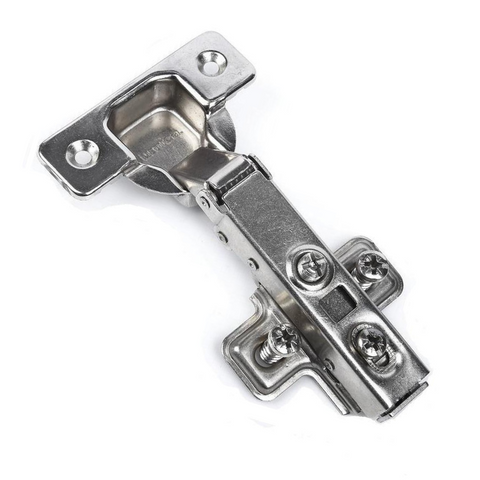
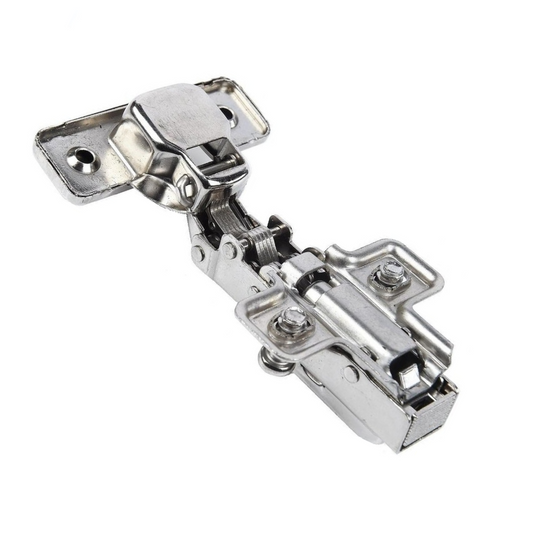
110° Soft-Close Hinge, H0 Mounting Plate with EURO Screws, Overlay DoorsRegular price $1.10Unit price / perRegular priceSale price $1.10
-
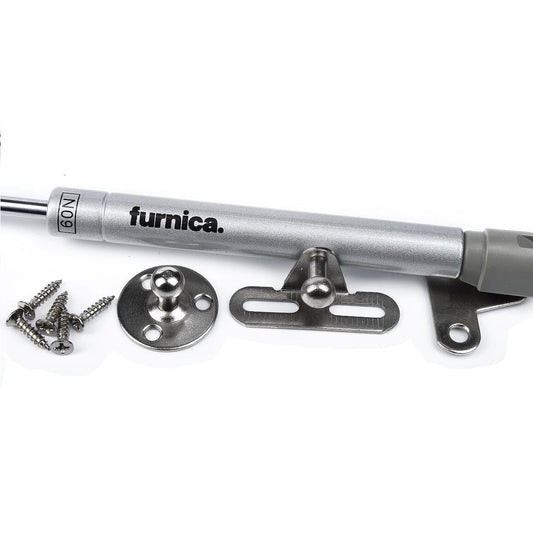
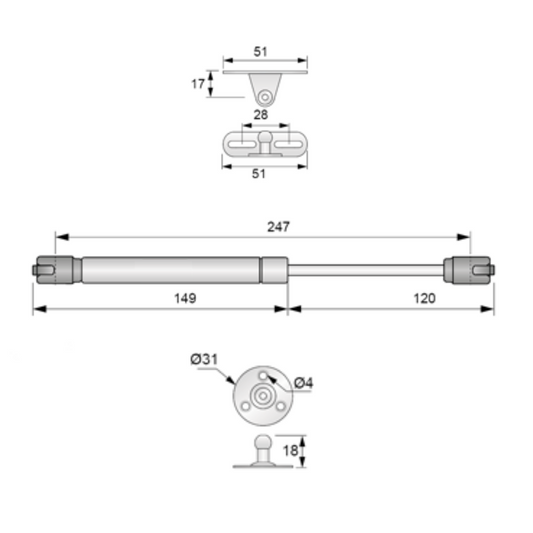
Gas Strut 9-13/16 inch - 60NRegular price $1.75Unit price / perRegular priceSale price $1.75
-
Reverse Gas-Piston Stay 9-13/16 inch 80NRegular price $2.48Unit price / perRegular priceSale price $2.48
-
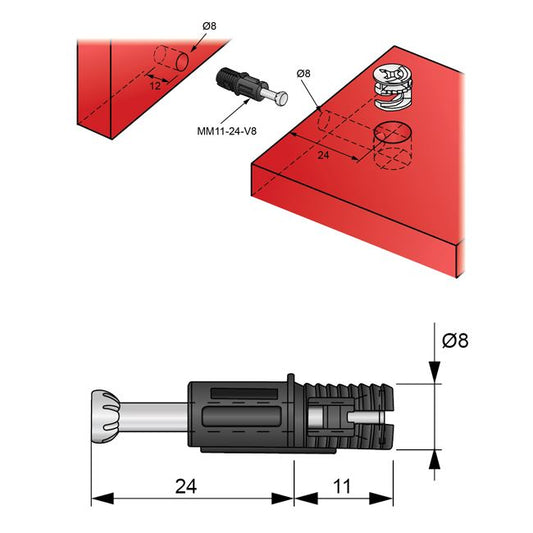
Cam Expanding Dowel 15/16 inch, M8 - 100 pcsRegular price $8.69Unit price / perRegular priceSale price $8.69
-
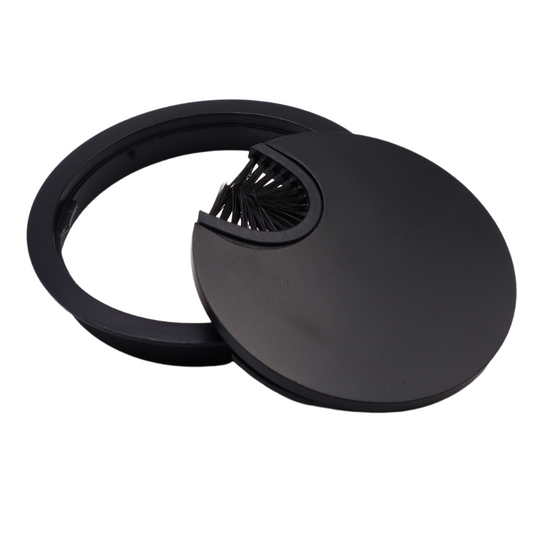
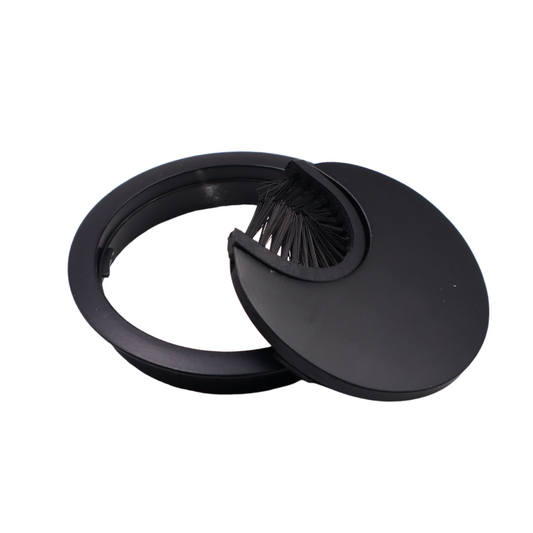
Metal Desk Grommet 3-1/8 inch - BlackRegular price $7.38Unit price / perRegular priceSale price $7.38
-
Gas Strut 9-13/16 inch - 30NRegular price $1.75Unit price / perRegular priceSale price $1.75
-
Plastic Desk Grommet 2-3/8 inch, BlackRegular price $0.24Unit price / perRegular priceSale price $0.24
-
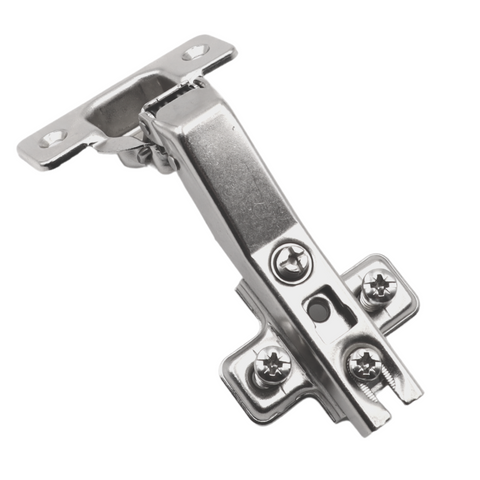
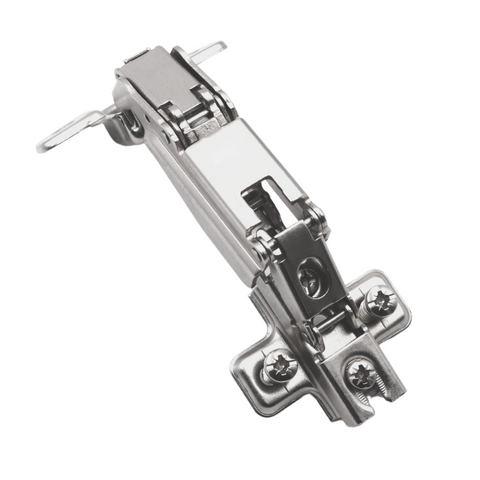
Hinge, H2 Mounting Plate with EURO Screws, Parallel DoorsRegular price $1.50Unit price / perRegular priceSale price $1.50
-
Cam Dowel 1-5/16 inch with M6 Screw-Thread - 100 pcsRegular price $5.59Unit price / perRegular priceSale price $5.59
-
Cam Dowel 1-5/16 inch with Euro Screw-Thread - 100 pcsRegular price $5.59Unit price / perRegular priceSale price $5.59
-
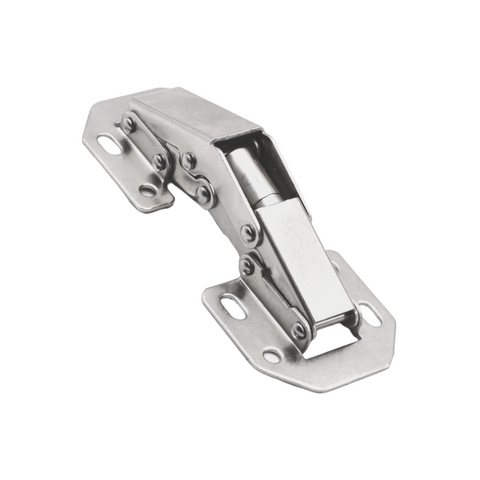
Hinge type "FROG"Regular price $0.90Unit price / perRegular priceSale price $0.90
-
Central Lock for 3 Drawers 3/4x13/16 inch, 23-5/8 inch Strip, ChromeRegular price $3.70Unit price / perRegular priceSale price $3.70
-
Metal Desk Grommet 2-3/8 inch - Brushed SteelRegular price $5.12Unit price / perRegular priceSale price $5.12
-
Rectangular Aluminum Desk Grommet 6-5/16x3-1/8 inch, BlackRegular price $16.28Unit price / perRegular priceSale price $16.28
-
Metal Desk Grommet 2-3/8 inch - BlackRegular price $5.12Unit price / perRegular priceSale price $5.12
-
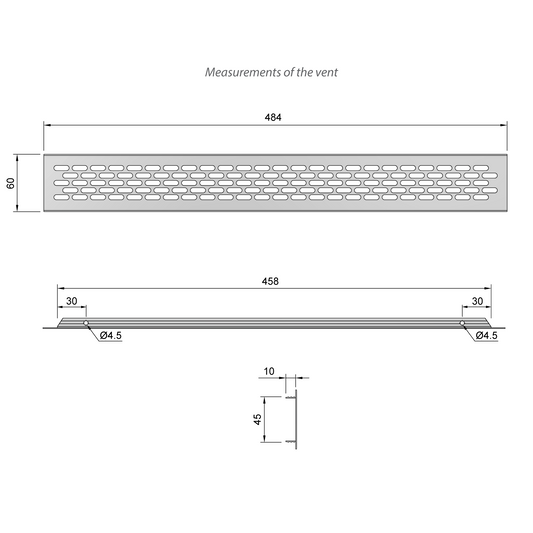
Aluminum Air Vent Grill 19-1/16x2-3/8 inch - SilverRegular price $4.28Unit price / perRegular priceSale price $4.28
-
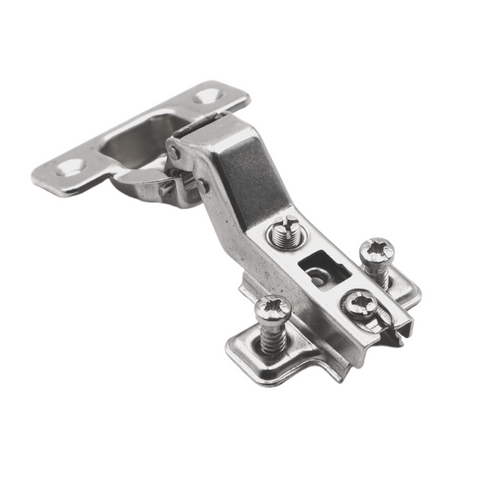
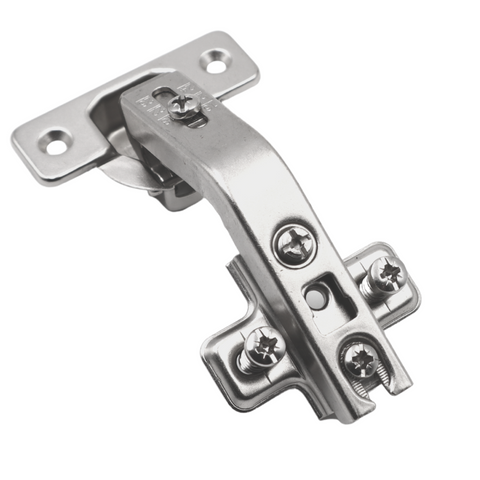
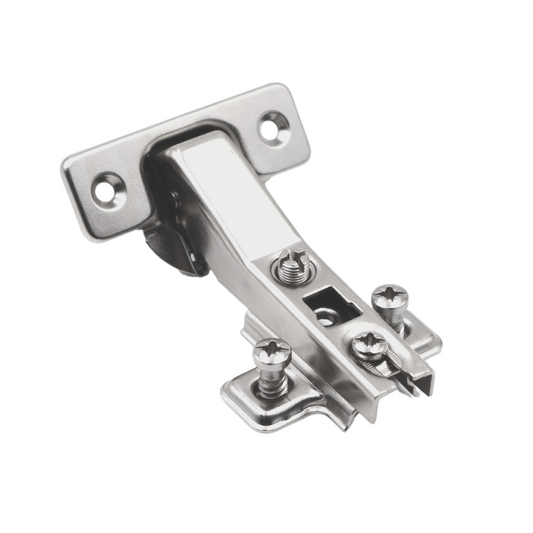
+45º Hinge, H2 Mounting Plate with EURO Screws, Angled DoorsRegular price $1.01Unit price / perRegular priceSale price $1.01
-
Square Furniture Lock 3/4x7/8 inch , ChromeRegular price $1.81Unit price / perRegular priceSale price $1.81
-
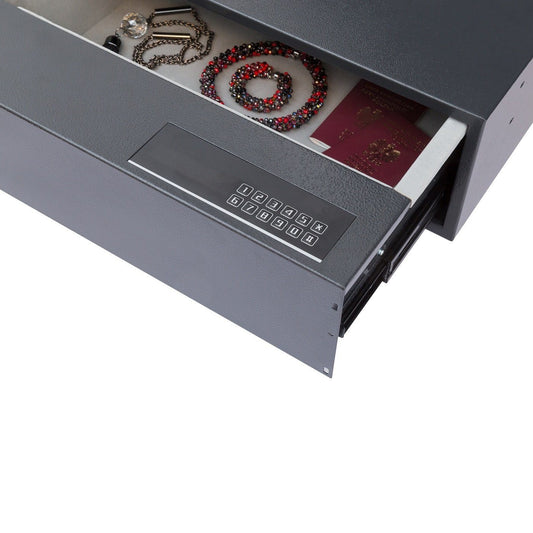
Drawer Safe 23-5/8 inchRegular price $459.44Unit price / perRegular priceSale price $459.44
-
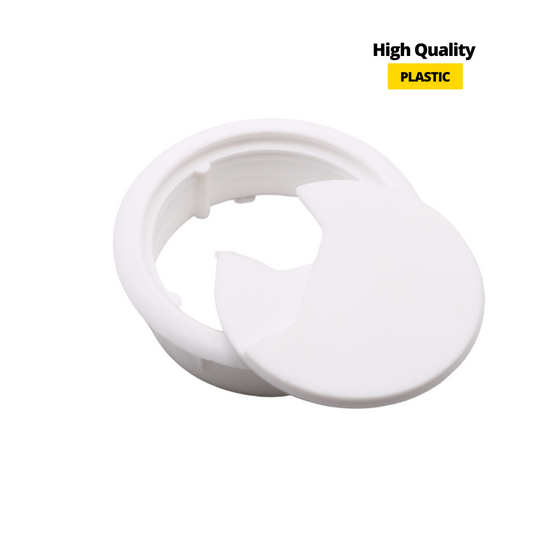
Plastic Desk Grommet 2-3/8 inch, WhiteRegular price $0.24Unit price / perRegular priceSale price $0.24







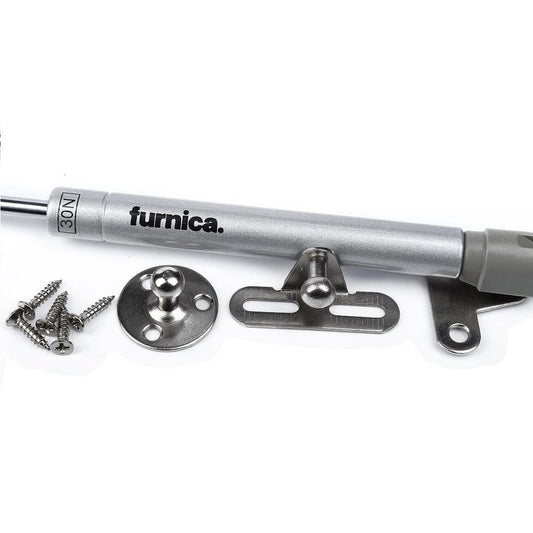

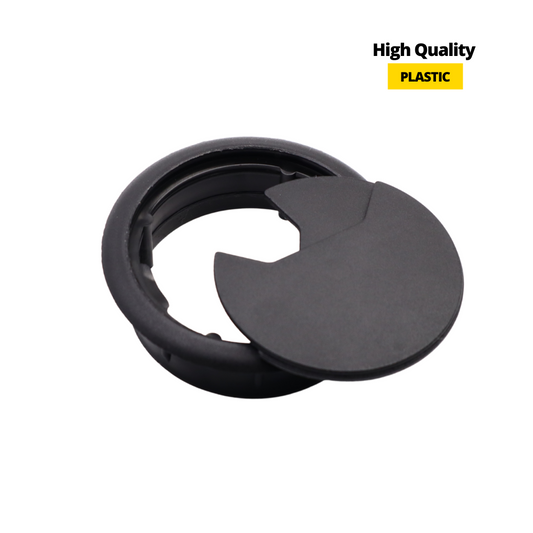

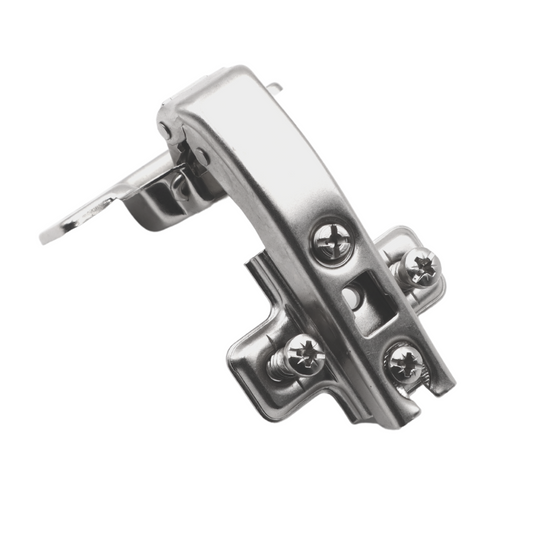

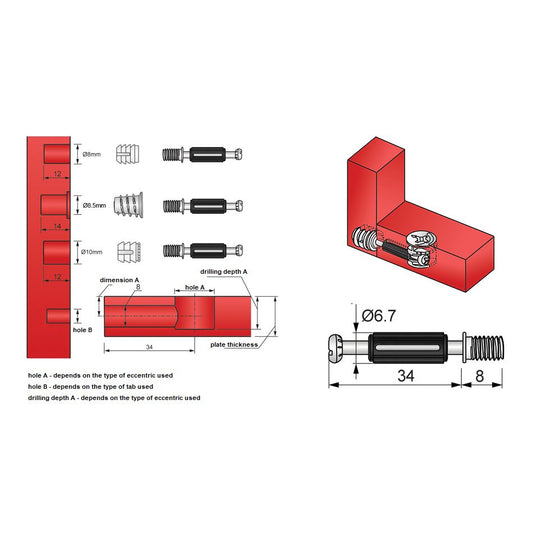











Fittings & hinges is the hub for the mechanical parts that hold cabinet furniture together and make it move: concealed cup hinges with H0 and H2 mounting plates, gas struts and reverse gas pistons for lift-up doors, cam locks, cam dowels and expanding dowels for knock-down joints, confirmat screws, and desk grommets for cable management. More than 400 products are grouped here because a cabinet build or repair almost always needs several of them at once – a hinge for the door, a connector for the carcass and a strut or stay for the flap.
Hinges: the 35 mm cup standard
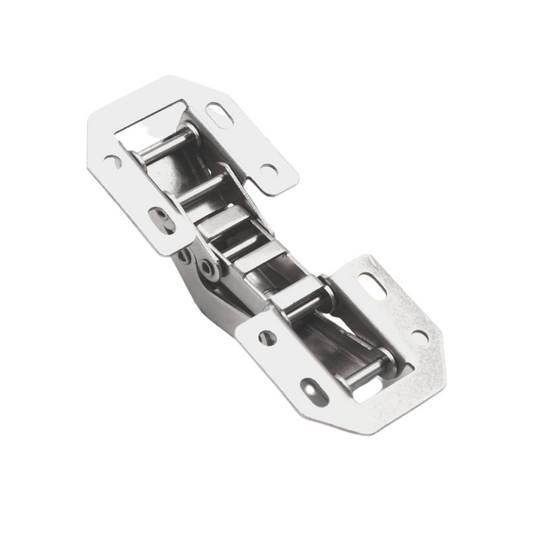
Modern cabinet doors hang on concealed hinges with a 35 mm (1-3/8 inch) cup drilled into the back of the door and a mounting plate screwed to the cabinet side. The 110° soft-close hinge with H0 mounting plate for overlay doors is the everyday choice for frameless kitchen and bathroom cabinets; the hinge with H2 mounting plate for parallel (half-overlay) doors is used where two doors share one cabinet side. The plate height – H0, H2 or higher – sets how far the door overlays the cabinet side; the opening angle (90°, 110°, 155°, 165°) decides whether a pull-out behind the door can clear it. All of them follow the 32 mm (1-1/4 inch) hole pattern, so a hinge from this category replaces a worn one in most European-style cabinets without new drilling.
Hinges by angle and function are listed under 110 degree cabinet hinges, soft-close hinges, concealed hinges and cupboard door hinges; hinges for corner cabinets and special angles are grouped under cabinet hinges.
Gas struts and reverse gas pistons
A lift-up flap on a wall cabinet stays open because a gas strut pushes it up with a defined force, stated in newtons. The 9-13/16 inch (250 mm) gas strut with 30 N suits light glass or 16 mm board flaps up to about 300 mm high; the 60 N version covers wider or taller fronts, and the reverse gas piston stay with 80 N works the other way round – it damps a downward-opening flap and holds it. The force is a function of flap weight and height, not of width alone; two struts of half the force are often better balanced than one strong strut. The full range by force and color is under gas struts.
Connectors for knock-down furniture
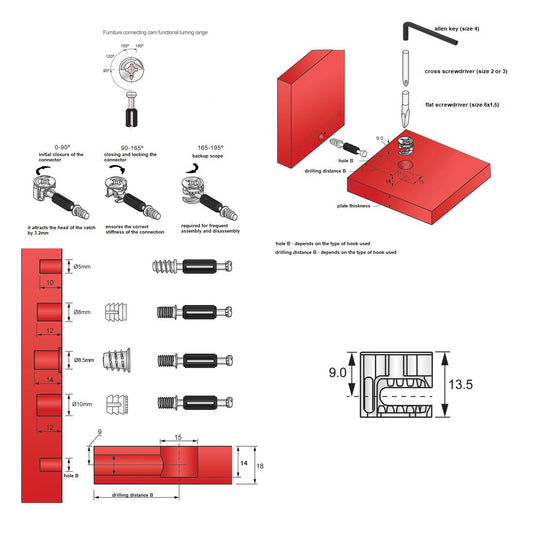
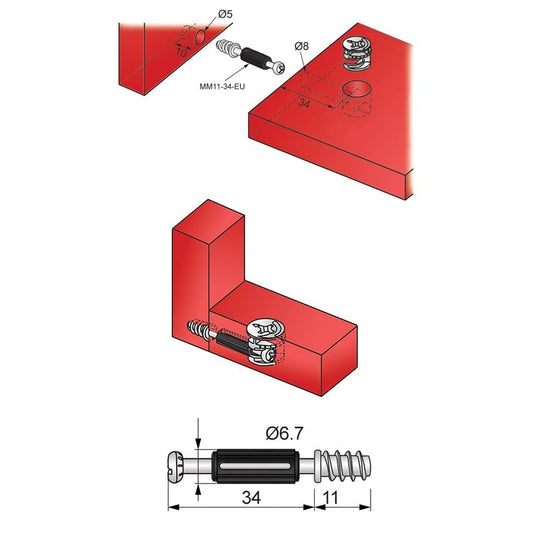
Flat-pack and site-assembled cabinets are held together by cam connectors: the furniture cam lock 9/16 inch (15 mm), 100 pcs sits in a 15 mm hole in the side panel and clamps a dowel inserted in the adjoining panel – the cam dowel 1-5/16 inch (34 mm) with M6 thread for a threaded insert, the cam dowel with Euro screw thread for direct screwing into particleboard, or the cam expanding dowel 15/16 inch (24 mm) with M8 for an 8 mm hole. Confirmat screws (7 x 50 mm) are the alternative where the joint is permanent. The pieces are sold in packs of 100 because a single wardrobe uses 20–40 connectors. See furniture cam lock, cam dowel and confirmat screws.
Desk grommets and cable management
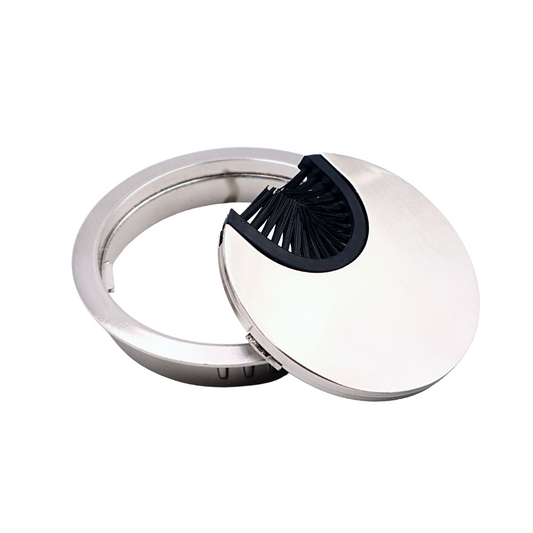
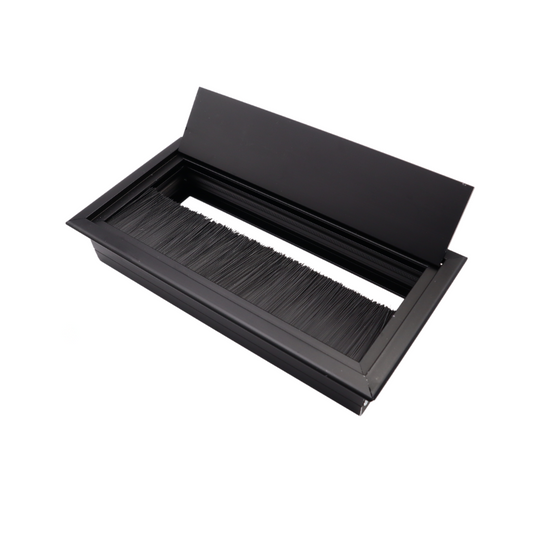
A desk grommet closes the hole drilled in a desktop for cables: the metal desk grommet 2-3/8 inch (60 mm) in black, its brushed steel version, the larger 3-1/8 inch (80 mm) grommet, the economical plastic desk grommet 2-3/8 inch and the rectangular aluminum grommet 6-5/16 x 3-1/8 inch for several plugs at once. Drill the hole with a hole saw of the stated diameter and press the grommet in; most models need no screws.
Choosing fittings for one project
- Start with the carcass: cam locks and dowels for 16–19 mm panels, confirmat screws for permanent joints, wall anchors for fixing tall units.
- Add the door hardware: one hinge per 400–500 mm of door height (two hinges up to about 900 mm, three above), with the correct overlay plate.
- Fit the flaps: gas struts sized by weight and height; combine with hinges without a spring if the strut must hold the flap open.
- Finish: door bumpers, cover caps and grommets.
Related categories
Worktop joints are covered by worktop connectors and worktop fittings; legs and supports by furniture legs and cabinet legs; wardrobe hardware by wardrobe fittings; shelf hardware by brackets and fittings. The complete catalogue, including drawer slides and handles, is grouped under furniture accessories.
Frequently asked questions
Which mounting plate do I need – H0 or H2?
H0 for a full-overlay door that covers the cabinet side completely; H2 for a half-overlay door where two doors meet on one side panel. The number is the plate height in millimeters that shifts the door outward.
How do I know the newton rating for a flap?
Weigh the flap with its handle and measure its height. As a rule of thumb for a 250 mm strut: light flaps up to about 2 kg use 30–50 N, medium flaps 60–100 N, heavy or tall flaps 120 N and more, ideally with two struts.
Are cam locks compatible with IKEA-style furniture?
The 15 mm cam lock with a 24 or 34 mm dowel is the industry standard used by most flat-pack manufacturers; check the dowel length and thread (Euro screw or M6) against the original part.
Can a 35 mm hinge be fitted without a special drill?
The cup needs a 35 mm Forstner bit drilled 12–13 mm deep. A hinge jig keeps the distance from the door edge (usually 3–6 mm) consistent across all doors.