
Display Cabinet Locks
Popular Subcategories
-
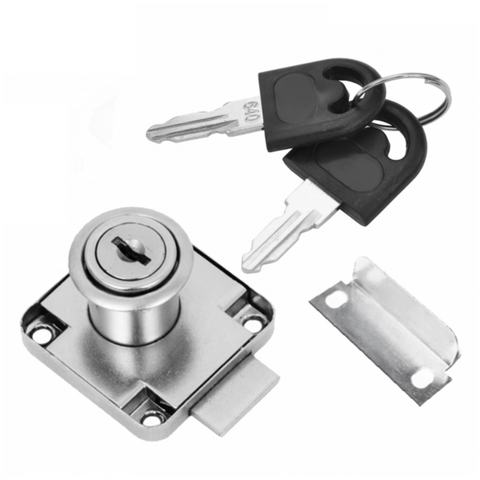
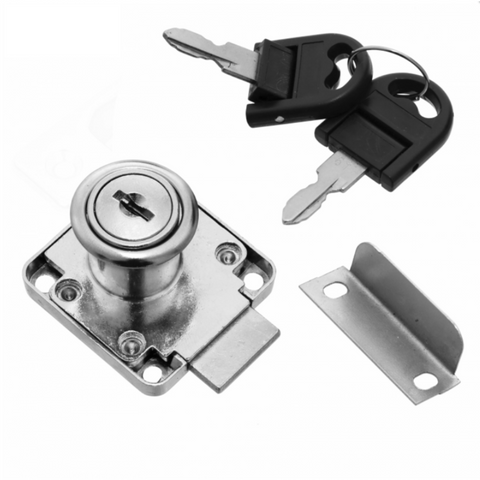
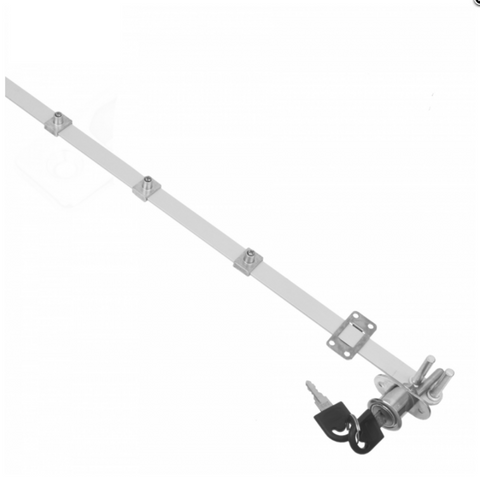
Lock for Double Glass DoorsRegular price $2.74Unit price / perRegular priceSale price $2.74
-
Lock for Single Glass DoorsRegular price $2.65Unit price / perRegular priceSale price $2.65
-
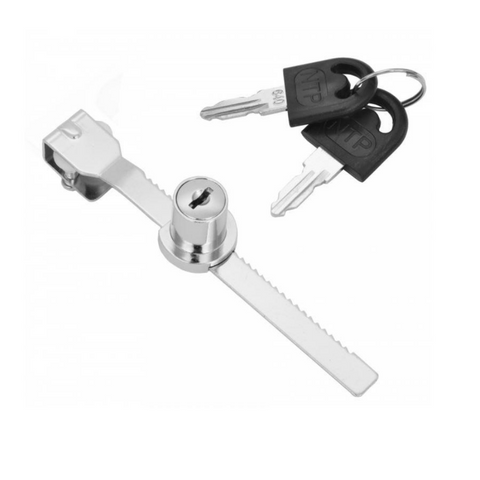
Lock for Glass Slidable DoorsRegular price $1.81Unit price / perRegular priceSale price $1.81


A display cabinet lock is a specialized locking mechanism engineered primarily to secure glass fronts, display cases, and glass cabinet components.Unlike traditional cabinet locks mounted into engineered wood like particleboard or MDF, glass installation requires specific mounting concepts to protect the structural integrity of the pane. Selecting the right hardware depends on glass thickness, door configuration (swinging or sliding doors), and the structural demands of the cabinet.
This guide is designed for cabinetmakers, installers, and technical professionals who need to properly secure a **glass display cabinet**. Below, we break down the mechanical principles, design types, and installation specifications for **display cabinet locks**.
Mechanical Principles of Glass Locking Systems
Mounting hardware to silicate glass presents unique technical challenges. Glass possesses high compressive strength but is exceptionally sensitive to tensile stress and localized point loads. A **display cabinet lock** must therefore be designed to distribute operating and tampering forces evenly across the glass surface.
Hardware engineering generally distinguishes between two glass mounting methods: positive locking (via pre-drilled holes) and friction locking (via clamping). Both systems serve specific applications in cabinetry and require distinct glass preparation techniques.
Types of Display Cabinet Locks and Mounting Methods
The lock type is largely dictated by the design of the cabinet. A **display case lock** in a museum environment is subject to different mechanical demands than a lock on a residential living room cabinet.
Clamp-On Display Cabinet Locks (Friction Fit)
A **no-drill display cabinet lock** is the most common choice for retrofitting existing furniture or for tempered safety glass (ESG), which cannot be mechanically machined after the tempering process.
The lock body features a U-shaped channel that slides over the edge of the glass. It is secured using one or two set screws on the backside. To prevent localized screw pressure against the glass and to increase friction, a plastic, rubber, or silicone gasket must be inserted between the screw and the glass.
- Pros:No glass fabrication required; flexible positioning; easy to remove at any time.
- Cons:Under heavy force, the lock body can slide along the glass edge.
- Typical Glass Thicknesses:5/32 in (4 mm)to5/16 in (8 mm).
Drill-Through Display Cabinet Locks (Positive Locking)
For maximum security, use a lock mounted through a pre-drilled hole in the glass panel. The lock cylinder extends through the glass, and the body is secured from the rear using a locknut or mounting collar. Plastic washer gaskets are mandatory on both sides to prevent direct metal-to-glass contact.
- Hole Diameter:Typically3/4 in (19 mm)to1 in (26 mm), depending on cylinder diameter.
- Pros:Exceptionally secure fit; zero slip; sleek, flush appearance.
- Cons:Requires precise pre-drilled holes (for tempered glass, drilling must occur prior to thermal tempering).
Ratchet Locks / Sliding Glass Door Locks
For sliding glass panels, a specialized mechanism is used: the **sliding display cabinet lock**. It consists of a notched metal bar (ratchet track) and a slip-on lock cylinder. The track clamps onto the inner, overlapping glass pane. The lock body slides over the track, blocking the outer door pane from opening. The mechanism works like a cable tie—sliding smoothly in one direction until released with a key.
Door Configurations and Matching Locks
Cabinet design determines how and where the bolt mechanism engages with the cabinet frame or adjacent door. Identifying the number of door panels is the primary selection step for installers.
Single-Door Glass Cabinets
On a single swing door, the glass closes directly against the cabinet body (wood, metal, or glass). Aglass door lockis typically mounted along the vertical closing edge. Turn the key **90°**, and the locking bolt (usually a straight or swing bolt) engages behind a strike plate or a routed notch in the cabinet frame.
Installers must accurately calculate the gap clearance between the glass edge and the cabinet frame. If the gap is too wide, the bolt will not catch the strike plate properly. A standardglass door lockrequires a gap of **5/64 in (2 mm)** to **5/32 in (4 mm)**.
Double-Door Glass Cabinets
For cabinets with double swinging glass doors without a fixed center stile, you will need a **double glass door lock**. The mechanism is more complex because the bolt catches the secondary glass door rather than the frame.
Adouble glass door lockclamps onto the primary door panel (usually the right side). When locked, the hook/swing bolt catches behind a matching keeper bracket (an angle plate or second clamp plate) installed on the edge of the passive door panel (usually the left side). This locks both doors together securely. These systems are commonly designed for glass panels ranging from **3/16 in (5 mm)** to **1/4 in (6 mm)** thick.
Technical Specifications and Lock Mechanisms
In addition to glass mounting, the internal cylinder mechanism defines the operational reliability of **display cabinet locks**.
Cylinder Technology
Most glass cabinet locks utilize pin tumbler or wafer tumbler cylinders. The cylinder plug rotates inside the housing to operate the latch or throw the bolt.
- Key Travel:Standard key rotation is **90°** or **180°**.
- Key Retaining:On many models, the key can only be withdrawn when locked (key-retaining function). This prevents display cabinets from being left unlocked unintentionally.
Keyed Alike vs. Keyed Different
For commercial installations (e.g., jewelry stores, pharmacies), key administration options are critical.
- Keyed Different (KD):Every **glass display cabinet lock** features a unique key code. Key A opens Lock A only.
- Keyed Alike (KA):A series of locks are manufactured with identical cylinder keying. A single key opens every cabinet in the facility, significantly streamlining staff keyrings.
Materials and Finishes
Because display cabinet locks are prominently visible, surface finishes provide both aesthetic appeal and corrosion resistance.
- Zinc Die-Cast (Zamak):The industry standard for lock bodies, offering high strength and precise manufacturing tolerances.
- Chrome-Plated:A polished or satin chrome finish protects the zinc die-cast housing from oxidation while matching modern glass hardware. A polished chromeglass door lockblends seamlessly into contemporary retail designs.
- Satin Nickel / Stainless Steel Look:Brushed finishes that effectively conceal fingerprints and smudges.
Installation Guide for Professionals
Installing **display cabinet locks** requires precision. Improper mounting can crack the glass or prevent the lock from latching correctly.
Installing a Clamp-On Lock (No Drilling)
- Cleaning:Thoroughly clean the glass edge using isopropyl alcohol or dedicated glass cleaner to remove grease and debris.
- Positioning:Slide the U-profile lock body over the edge of the glass. Mark the exact height (typically centered, approx. **39-3/8 in (1000 mm)** from the floor) using a dry-erase marker.
- Insert Protective Pads:Ensure plastic or rubber gasket strips rest flat between the metal lock body and the glass surface. Never allow metal to contact the glass directly.
- Securing:Tighten the rear set screws using a hex key to hand-tight torque (approx. **1.1 to 1.5 ft-lbs (1.5 Nm to 2 Nm)**). Over-tightening creates dangerous stress concentrations in the glass.
- Strike Plate Setup:Transfer the lock bolt position to the cabinet body and screw the strike plate firmly in place. When installing adouble glass door lock, clamp the keeper bracket to the secondary glass pane.
Installing a Drill-Through Lock
- Drilling the Glass:Unless factory-drilled, use a diamond core drill bit under continuous water cooling. Keep drill speeds between **800 RPM** and **1000 RPM**. Apply light pressure to prevent blowouts when breaking through the rear edge.
- Chamfering Edges:Lightly dress the hole edges with a countersink bit or sanding cone to relieve micro-cracks.
- Inserting the Cylinder:Pass the cylinder through the hole with the front plastic protective washer installed.
- Fastening:Place the inner plastic washer over the threads from the inside and tighten the retaining nut or mounting ring. Apply moderate torque only.
Adjustment and Troubleshooting
Always test the lock mechanism for smooth operation after installation. If a **display cabinet lock** binds during key rotation, check for common mounting errors.
- Bolt Scrapes Against Strike Plate:The door panel has sagged or the strike plate was misaligned. Adjust strike plate height accordingly. Many strike plates feature slotted mounting holes allowing **+/- 1/16 in (+/- 2 mm)** of vertical adjustment.
- Lock Body Slipping:On clamp-on locks, set screws are undertightened or the glass surface was oily during install. Remove, degrease, and re-torque screws. Applying medium-strength threadlocker to set screw threads prevents loosening from daily vibration.
- Key Hard to Withdraw:This is usually caused by microscopic burrs inside the cylinder or a lack of lubrication. Apply a quick spray of dry PTFE lubricant (avoid grease or oil that traps dust) into the keyway.
Specific Applications in Cabinetry
Performance demands for **display cabinet locks** vary depending on the installation setting.
- Retail & Commercial Outlets:Speed and convenience take priority. Keyed-alike systems using heavy-duty clamp locks like theglass door lockdominate retail spaces, engineered to withstand hundreds of daily cycles.
- Museums & Gallery Displays:Display case locks must remain visually discreet. Flush-mount drill-through locks are favored here for a seamless, low-profile finish.
- Terrariums & Enclosures:While designed for furniture, ratchet sliding locks are widely used on glass terrarium doors. Ensure hardware is corrosion-resistant (e.g., chrome-plated) due to high internal humidity.
- Residential Use:Adding a lock to a **glass display cabinet** at home is typically intended for child safety (e.g., securing liquor cabinets or collectibles). A simple **no-drill display cabinet lock** is ideal for this purpose.
Maintenance of Glass Cabinet Locks
While cabinet hardware is virtually maintenance-free, routine care extends cylinder service life. Once a year, apply graphite powder or a non-greasy dry lubricant to the cylinder keyway. Avoid penetrating oils like WD-40, which attract dust and gum up internal pins over time. For clamp-on designs like thedouble glass door lock, inspect set screw tightness bi-annually, as ambient temperature shifts can cause subtle material movement.
---
Frequently Asked Questions (FAQ) About Display Cabinet Locks
Can I install a display cabinet lock on any glass thickness?
No. Lock fittings are designed for specific glass thickness ranges. A standard clamp lock covers **5/32 in (4 mm)** to **1/4 in (6 mm)** or **1/4 in (6 mm)** to **5/16 in (8 mm)** glass. If you clamp a wide lock onto thin glass (e.g., **1/8 in (3 mm)**), set screws won't have enough travel to achieve a secure friction hold. Always verify the manufacturer's specified glass thickness range.
What is the difference between a single glass door lock and a double glass door lock?
A single-door lock secures a swinging glass door to a solid cabinet frame (using a strike plate). A **double glass door lock** locks one glass door directly to the adjacent glass door. It consists of two components clamped to the inner meeting edges of both glass panels.
Are no-drill clamp-on locks as secure as drill-through locks?
For standard cabinetry and everyday access prevention, clamp-on locks offer reliable security. However, against aggressive forced entry (prying or twisting), drill-through locks are significantly stronger because the mechanical hole physically prevents the lock body from sliding off the glass.
Can I retrofit a drill-through lock onto tempered glass (ESG)?
No, you must use **clamp-on models only** for existing tempered glass. Tempered safety glass (ESG) is under high internal tension. Any attempt to drill or cut tempered glass will shatter the entire pane instantly. Drill-through locks can only be used on tempered glass if holes were cut at the factory prior to the heat-tempering process.
How does a sliding glass display cabinet lock work?
Sliding doors use ratchet locks (track locks). A notched metal bar clamps to the inner glass door pane. The lock housing slides over this notched bar until flush against the outer glass pane, blocking it from opening. The key is only required to unlock and slide the cylinder body off the track.
Why isn't my lock bolt engaging with the strike plate?
This is a common alignment issue. Either the gap between the glass door and cabinet body is too wide (bolt is too short), or the glass door has sagged on its hinges. Check door panel alignment. Shifting the strike plate position by **1/32 in to 1/16 in (1 mm to 2 mm)** or re-adjusting the glass door hinges usually solves the problem.